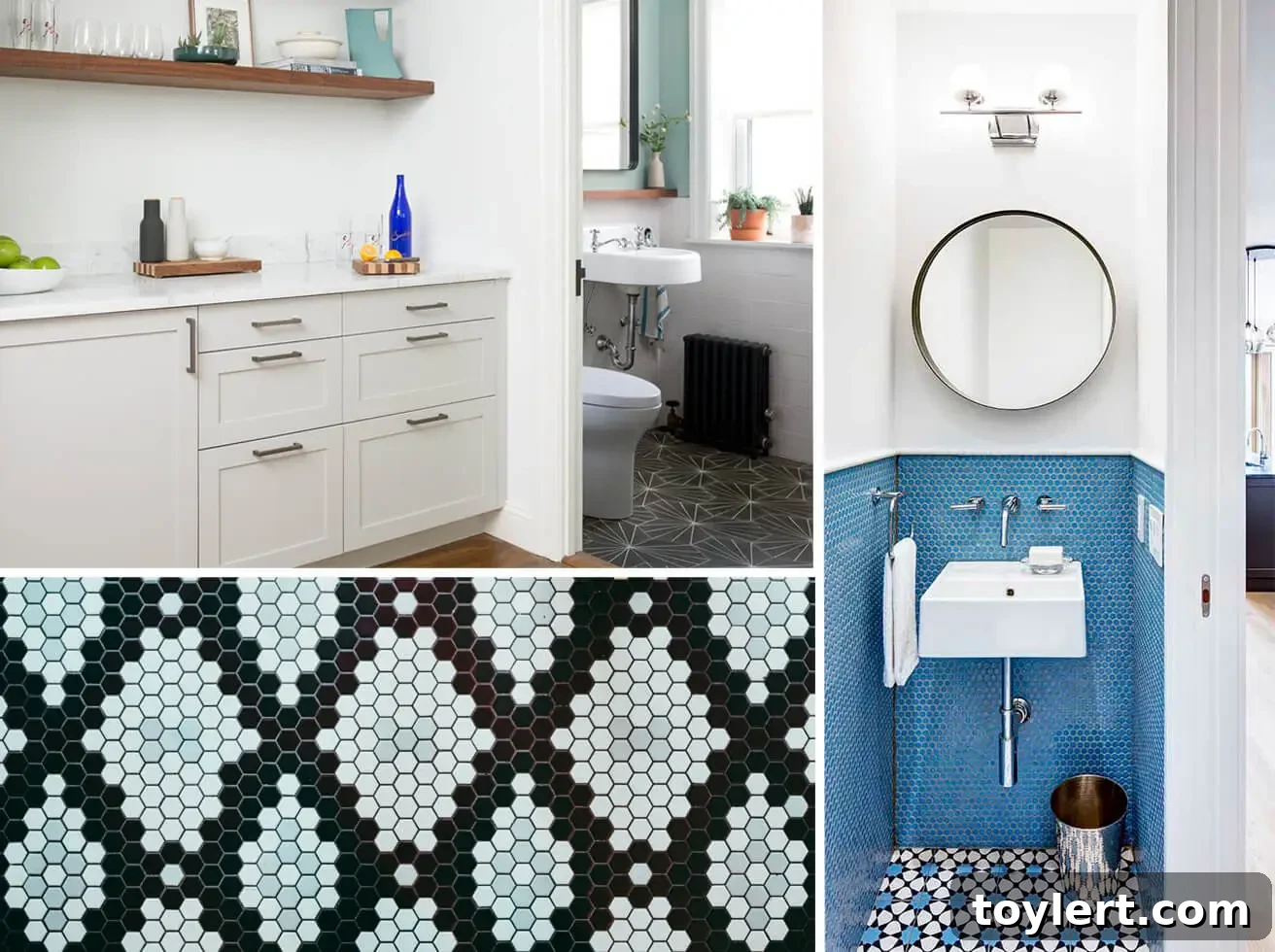
The timeless allure of a brownstone or townhouse lies in its rich history, unique architectural details, and a distinct urban charm that captivates homeowners. However, while these properties boast incredible character, they often present unique challenges when adapting to modern living standards. One of the most sought-after, yet often trickiest, renovations involves seamlessly integrating a functional and aesthetically pleasing parlor level powder room. This half-bath, typically comprising a toilet and a sink, has transitioned from a mere convenience to an absolute necessity for contemporary households, especially in homes where the parlor level serves as the primary hub for daily life and entertaining.
For many years, the absence of a bathroom on the main living floor was a common characteristic of these historic structures. Guests or family members would often need to ascend or descend flights of stairs to access facilities, a minor inconvenience in the past. Today, evolving lifestyles, an emphasis on entertaining, and the presence of young families have dramatically shifted expectations. Homeowners now prioritize accessibility and convenience, making the addition of a powder room on the parlor level a top priority in almost every brownstone and townhouse renovation project.
The Indispensable Parlor Level Powder Room: A Modern Necessity
The demand for a parlor level half bath isn’t just about luxury; it’s fundamentally about enhancing the safety, convenience, and overall liveability of a historic home. As architect Christine Harper of Harper Design Build aptly puts it, “We pretty much always do a powder room on the parlor level. It just seems to be a very important feature, especially for the type of people who live in Brooklyn who have young families. Running up and down floors when you have kids, or even for themselves, it’s just not safe or convenient.” Harper’s insight highlights the practical realities of urban family life.
Imagine hosting a gathering where guests no longer need to navigate multiple staircases to find a restroom. Consider the ease for parents with young children who can avoid precarious trips up or down stairs during potty training or emergencies. Furthermore, for homeowners themselves, having a readily accessible bathroom on the main floor significantly improves daily convenience, whether working from home, entertaining, or simply relaxing. This single addition can transform the flow and functionality of an entire home, making it more hospitable and practical for all occupants and visitors.
Navigating the Design Challenges in Historic Homes
Integrating a new powder room into a century-old brownstone or townhouse is far from a simple task. These renovations come with a unique set of challenges that require thoughtful planning, creative design, and expert execution. The primary hurdles include:
- Space Constraints: Parlor levels, while grand, rarely have obvious extra space suitable for an entirely new room. This often necessitates innovative space-saving solutions and clever reconfigurations of existing layouts.
- Preserving Original Details: Many homeowners wish to maintain the intricate crown molding, plasterwork, and historic woodwork that define their home’s character. Cutting into or altering these elements requires immense care, specialized craftsmanship, and often bespoke solutions to ensure the new addition complements, rather than detracts from, the home’s original charm.
- Plumbing and Ventilation: Bringing water lines, waste pipes, and adequate ventilation to a new, often unexpected, location can be complex, especially in structures not originally designed for such amenities. This may involve rerouting existing systems or installing entirely new ones, all while adhering to modern building codes and avoiding damage to historic infrastructure.
- Structural Integrity: Any significant modification, such as relocating stairs, cutting into load-bearing walls, or creating new floor sections, demands careful consideration of the building’s existing structure. An experienced architect and structural engineer are crucial to ensure the renovation is safe, sound, and long-lasting.
Ingenious Solutions for Space-Saving Bathroom Ideas
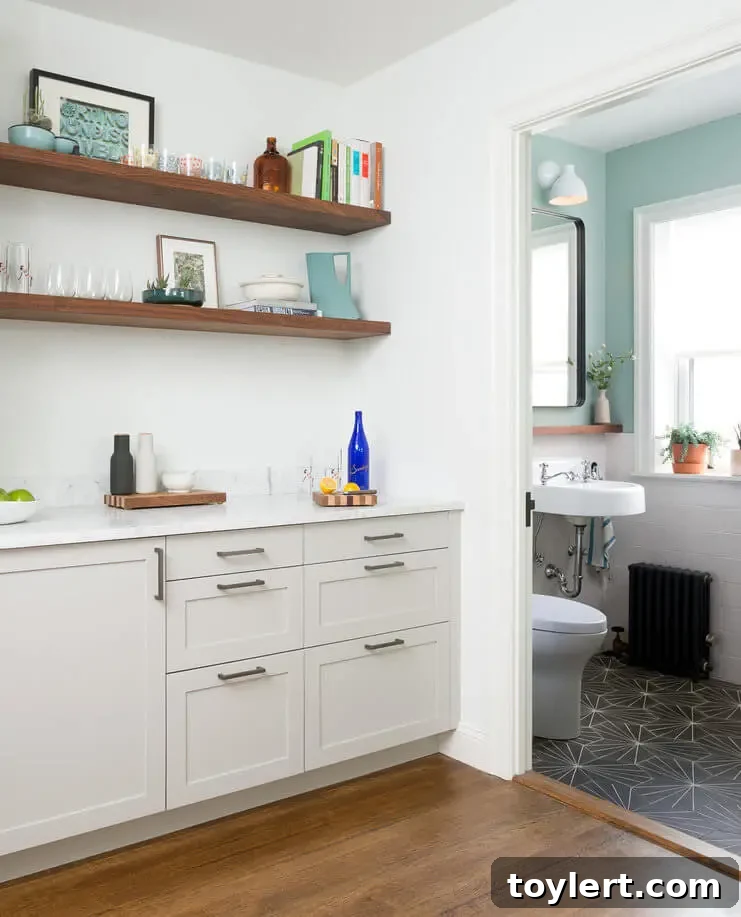
Architects and designers specializing in historic home renovations have developed a repertoire of ingenious strategies to overcome these challenges. The most common and often most effective location for a parlor level powder room is cleverly tucked away underneath the main staircase. This approach capitalizes on otherwise unused vertical space, turning a structural element into a functional asset while minimizing the impact on the open parlor floor plan.
Maximizing Space Under the Staircase
As architect Harper explains, transforming the area beneath the staircase often involves significant structural modifications. In a recent successful renovation, her team undertook a comprehensive project that exemplified this approach. “Harper removed the existing flight of stairs to the basement and added new joists and sub-flooring to create a powder room under the staircase. The stairs to the ground-level were relocated to a 10-foot addition at the back of the house.” This level of intervention highlights the necessity of engaging experienced professionals who can deftly handle both design and structural engineering aspects, ensuring safety and compliance with all building regulations.
When carving out a powder room under the stairs, every inch counts. Designers often recommend specific fixtures and layout strategies:
- Pocket Doors: These innovative doors slide seamlessly into the wall cavity, eliminating the need for swing space and making the entrance feel less obtrusive and more integrated into the surrounding architecture.
- Wall-Mounted Fixtures: Toilets and sinks mounted directly to the wall free up precious floor space. This not only creates an illusion of openness in a confined area but also makes cleaning considerably easier.
- Compact Sinks and Vanities: Pedestal sinks, corner sinks, or ultra-slim vanities are crucial for maximizing the minimal footprint. Contemporary designs offer stylish yet compact options that don’t compromise on aesthetics.
- Strategic Lighting: Ample, well-placed lighting, including recessed lights and stylish sconces, can make a small space feel brighter, more inviting, and perceptually larger. Avoiding dark corners is key to creating an open feel.
- Ventilation: A powerful, quiet exhaust fan is paramount for comfort and to prevent moisture issues in a confined area without natural light or airflow. Proper ventilation is also a crucial code requirement for small interior bathrooms.
Exploring Other Locations and Architectural Solutions
While the staircase often provides the ideal spot, it’s not the only option. Depending on the layout of the brownstone or townhouse, other creative solutions might include:
- Repurposing Closets or Alcoves: An existing, underutilized closet on the parlor level can sometimes be converted into a compact powder room. This often requires less structural work compared to the staircase option but still presents unique plumbing and ventilation challenges that need careful planning.
- Integrating into an Addition: As seen in Harper’s example, a small, strategically designed addition to the rear of the house can provide the necessary square footage not only for a relocated staircase but also for a new powder room. This approach often allows for more design flexibility and potentially larger fixtures, but also comes with higher construction costs and a longer timeline.
- Strategic Room Division: In very large parlor rooms or those with unconventional layouts, it might be possible to subtly divide a section using clever millwork or a half-wall to create a discreet powder room. However, this is less common as it can impact the open floor plan that many homeowners cherish in their parlor levels.
Design Elements for Elegant Small Powder Rooms
Beyond finding the space, the true art lies in designing a powder room that feels luxurious and inviting, despite its compact size. Here are key design elements for small bathrooms that can transform a tiny space into a stunning focal point:
- Color Palette: Light and neutral colors on walls and floors can visually expand the space, making it feel airy and open. Reflective surfaces, such as high-gloss paint or strategically placed mirrors, also work wonders by bouncing light around the room.
- Mirrors: A large, well-placed mirror can dramatically enhance the perception of space and amplify natural or artificial light. Consider an antique-style mirror or a custom-framed piece to complement the historic nature of the home, adding a touch of grandeur.
- Fixtures and Hardware: Opt for sleek, minimalist fixtures that don’t visually clutter the space. Chrome, brushed nickel, or even polished brass can add a touch of elegance without overwhelming the room. Wall-mounted faucets further save precious counter space and contribute to a streamlined look.
- Tile Selection: Large format tiles can minimize grout lines, making the floor and walls appear more expansive and seamless. Alternatively, intricate smaller tiles, such as penny tiles or mosaics, can create a jewel-box effect, adding character and depth, making the small space feel intentionally exquisite. Vertical tile patterns can draw the eye upward, making the ceiling seem higher.
- Storage Solutions: Recessed medicine cabinets, floating shelves, or a small vanity with integrated storage can keep the space tidy and clutter-free, which is essential in a small room to maintain a sense of order and spaciousness.
- Lighting Ambiance: Beyond functional overhead lighting, consider adding dimmable options, stylish wall sconces flanking the mirror, or even a small decorative chandelier or pendant. Layered lighting creates a warm, inviting atmosphere and highlights design details.
The Crucial Role of Expert Professionals
Given the complexity of these renovations, particularly in historic brownstones and townhouses, selecting the right team is paramount. Homeowners should seek out:
- Architects Specializing in Historic Renovations: They possess the specific knowledge required to understand and navigate the unique structural and aesthetic challenges of older buildings, ensuring that historic details are preserved while modern amenities are integrated seamlessly and safely.
- Experienced Contractors: A contractor with a proven track record in brownstone or townhouse renovations will understand the nuances of working with older materials, anticipate unexpected discoveries, and manage the project efficiently while adhering to a high standard of craftsmanship.
- Skilled Plumbers and Electricians: Installing new plumbing and electrical systems in existing walls and floors requires careful planning, precision, and adherence to modern codes to avoid damage, ensure safety, and guarantee long-term functionality.
Investing in a well-designed parlor level powder room is more than just an aesthetic upgrade; it’s an investment in the functionality, comfort, and long-term value of your historic home. By embracing creative design, leveraging expert knowledge, and meticulously planning every detail, the dream of a convenient, elegant half-bath on your brownstone’s parlor level can become a beautiful reality, seamlessly blending the charm of the past with the necessities of contemporary urban living.