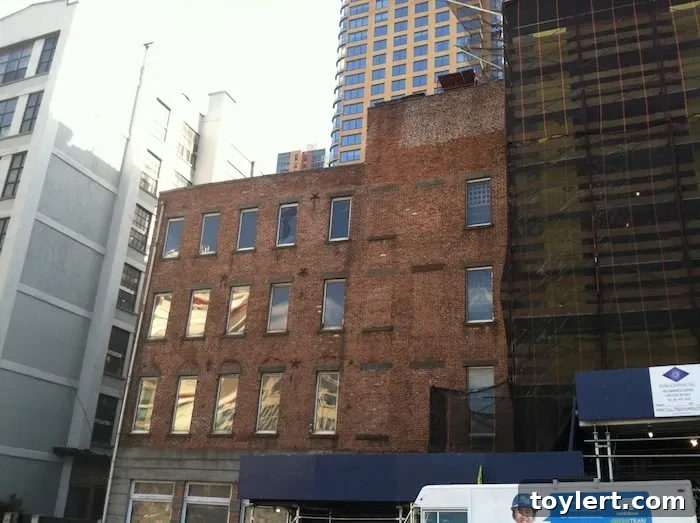
Downtown Brooklyn’s Evolving Landscape: Demolition Paves Way for New Possibilities on Tillary Street
Downtown Brooklyn continues its remarkable transformation, a testament to New York City’s dynamic urban development. In the heart of this vibrant borough, a significant change is underway at 156 Tillary Street, where the Department of Buildings (DOB) has officially approved plans for the demolition of an existing four-story building. This pivotal development, situated strategically between the bustling Flatbush Avenue Extension and Gold Street, marks another chapter in Downtown Brooklyn’s rapid expansion and modernization. The site, once home to an unassuming structure, is now poised to become part of a larger, more ambitious vision for the area, directly adjacent to a prominent new hospitality project.
The approval of the demolition permit for 156 Tillary Street, meticulously detailed in DOB documents, signifies more than just the removal of an old building. It represents a proactive step towards enhancing the urban fabric and meeting the growing demands of this thriving neighborhood. As Brooklyn solidifies its position as a major cultural, commercial, and residential hub, every available parcel of land holds immense potential for innovative development. The specific details surrounding the future use of the 156 Tillary Street site are still emerging, but its immediate proximity to a significant hotel project provides crucial clues about its potential destiny.
The Rising Hampton Inn: A Neighboring Landmark
Adjacent to the newly cleared site, a substantial 13-story, 116-room Hampton Inn is actively under construction on the corner of Flatbush Avenue Extension. This contemporary hotel project is a prime example of the ongoing hospitality boom sweeping through Downtown Brooklyn, attracting both business travelers and tourists eager to experience the borough’s unique charm and accessibility. The strategic location of the Hampton Inn, with its easy access to major transportation arteries and cultural landmarks, underscores the area’s appeal as a prime destination. New hotels like this not only provide much-needed accommodation options but also stimulate local economies by creating jobs and drawing visitors to nearby businesses, restaurants, and attractions.
The construction of the Hampton Inn highlights a broader trend of investment in Downtown Brooklyn’s infrastructure and amenities. With its diverse mix of corporate offices, educational institutions such as NYU Tandon School of Engineering and LIU Brooklyn, and burgeoning residential towers, the demand for high-quality lodging has never been greater. The Hampton Inn, a brand renowned for its consistent quality and guest amenities, is set to cater to a wide array of visitors, further cementing Downtown Brooklyn’s status as a vibrant and multifaceted urban center. Its sleek design and modern facilities promise to add to the area’s increasingly sophisticated architectural landscape.
Unveiling the Connection: Shared Ownership and Future Speculation
Intriguingly, Department of Buildings documents reveal that the ownership of the 156 Tillary Street lot is shared with the Hampton Inn site. This common ownership is a key piece of the puzzle, suggesting a coordinated development strategy rather than independent projects. While initial early renderings of the Hampton Inn development displayed 156 Tillary Street still intact, the recent demolition approval indicates a significant pivot in the master plan. This shift sparks considerable speculation regarding the future purpose of this now-cleared parcel of land.
One of the most immediate and practical possibilities for the 156 Tillary Street site is the provision of much-needed parking for the adjacent Hampton Inn. In a dense urban environment like Downtown Brooklyn, parking solutions are highly valuable and often critical for the success of hospitality ventures. A dedicated parking facility would significantly enhance the guest experience, providing convenience and alleviating concerns about street parking or expensive off-site garages. This would be a logical and efficient use of the space, directly supporting the operations of the new hotel.
However, the potential uses for the site extend beyond mere parking. Given the prime location and the scale of development in Downtown Brooklyn, the site could also be earmarked for an expansion of the Hampton Inn itself. This could involve additional guest rooms, dedicated conference facilities, a larger restaurant, retail spaces, or even ancillary services that cater to hotel guests and the surrounding community. Such an expansion would allow the hotel to capture an even larger market share and offer a broader range of amenities, further solidifying its presence in the competitive Brooklyn hospitality sector.
Furthermore, one cannot entirely discount the long-term vision for the site. Developers often acquire adjacent parcels to create larger development opportunities in the future. While immediate plans might focus on supporting the hotel, the cleared land could eventually host another tower—perhaps residential, mixed-use, or even another commercial structure—should zoning regulations and market conditions permit. The flexibility gained from having an unencumbered plot in such a sought-after location is invaluable, allowing for adaptive strategies as Downtown Brooklyn continues its dynamic growth trajectory.
The Broader Impact on Downtown Brooklyn’s Urban Fabric
The demolition of 156 Tillary Street and the concurrent construction of the Hampton Inn are microcosm of the broader changes sweeping across Downtown Brooklyn. This area, once predominantly commercial and civic, has rapidly evolved into a vibrant, mixed-use community. The influx of new residents, businesses, and visitors has fueled a demand for diverse amenities, from modern housing and office spaces to hotels, retail, and green spaces.
Such developments contribute significantly to the local economy. The construction phase itself generates numerous jobs, from skilled trades to project management. Once operational, the Hampton Inn will create permanent employment opportunities in hospitality, ranging from front desk staff to housekeeping and management roles. Moreover, increased foot traffic from hotel guests and residents benefits surrounding businesses, stimulating local commerce and fostering a bustling street life that makes the neighborhood more attractive and desirable.
The Department of Buildings plays a crucial role in overseeing these developments, ensuring that all construction and demolition activities comply with stringent safety codes and zoning regulations. While the DOB’s mandate is primarily regulatory—approving plans and inspecting sites for compliance—it indirectly shapes the urban landscape by setting the parameters within which development can occur. In this case, their approval of the demolition permits signifies that the plans for 156 Tillary Street meet all necessary legal and safety standards, paving the way for its transformation.
A Vision for the Future: Continued Growth and Opportunity
The story of 156 Tillary Street is emblematic of Downtown Brooklyn’s continuous evolution. From speculative demolition to potential integration with a major hotel, this site embodies the strategic planning and foresight characteristic of urban development in one of NYC’s fastest-growing boroughs. As the dust settles and new structures rise, the area promises to deliver enhanced services, increased economic activity, and a continually evolving skyline that reflects its burgeoning prominence.
Whether the cleared land ultimately serves as essential parking for the Hampton Inn, an expanded wing of the hotel offering more amenities, or even a future standalone development, its transformation underscores the relentless pace of progress in Downtown Brooklyn. Investors and residents alike will keenly watch as this pivotal site unfolds its next chapter, contributing to the rich tapestry of a neighborhood that continues to redefine itself as a premier destination in New York City.
Hotel Rising on Tillary Street [Brownstoner]
A Hampton Inn Planned for Downtown Brooklyn [Brownstoner] GMAP