Embracing Warmth and Luxury: The Evolution of Modern Interior Design
The interior design landscape is undergoing a significant transformation, moving decisively away from the austere, stark minimalism that defined much of the previous decade. We are witnessing a vibrant return to spaces that exude warmth, personality, and an undeniable sense of luxury. Designers and homeowners alike are now gravitating towards rich textures, dynamic patterns, bold colors, and graceful curves, creating environments that are both sophisticated and deeply inviting. This shift signals a desire for comfort, individuality, and a more emotionally resonant aesthetic in our living spaces.
The Post-Minimalist Era: A Softer Approach to Modern Living
For years, the design world celebrated clean lines, monochromatic palettes, and a ‘less is more’ philosophy. While elegant in its own right, this approach often resulted in spaces that felt cold, impersonal, and lacking in comfort. Interior designer Tamara Eaton of Tamara Eaton Design aptly notes, “In the past few years, there has been a large movement toward a softer sense of what modern is.” This sentiment resonates deeply with a growing number of individuals who seek to infuse their homes with character and a welcoming ambiance, proving that modern design can indeed be warm and soft without sacrificing its contemporary edge. The prevailing desire is to create environments that feel lived-in and loved, rather than pristine showrooms.
Key Trends Defining the New Luxurious Aesthetic
As we move into this exciting new phase of interior design, several prominent trends are shaping our homes. These elements work in harmony to create spaces that are rich in sensory experience, evoking a sense of wonder and sophisticated comfort.
1. The Allure of Velvets and Opulent Textures
Velvet is undeniably making a grand comeback, not just as an accent but as a dominant fabric in contemporary design. Its inherent luxuriousness and soft, tactile quality instantly elevate any space, adding a layer of depth and comfort that simpler fabrics cannot match. Jewel-toned velvets, in particular, transform sofas, armchairs, and even draperies into focal points, radiating an air of sophistication and old-world glamour. Beyond velvet, other luxurious textures like silk, chenille, boucle, and faux fur are being incorporated to create multi-sensory experiences, inviting occupants to touch and feel. These materials are used strategically to break up monotonous surfaces, adding visual interest and a cozy dimension to rooms that might otherwise feel too sterile. The play of light on these rich textures creates dynamic shadows and highlights, further enhancing the overall aesthetic of a warm, modern home.
2. The Splendor of Jewel Tones
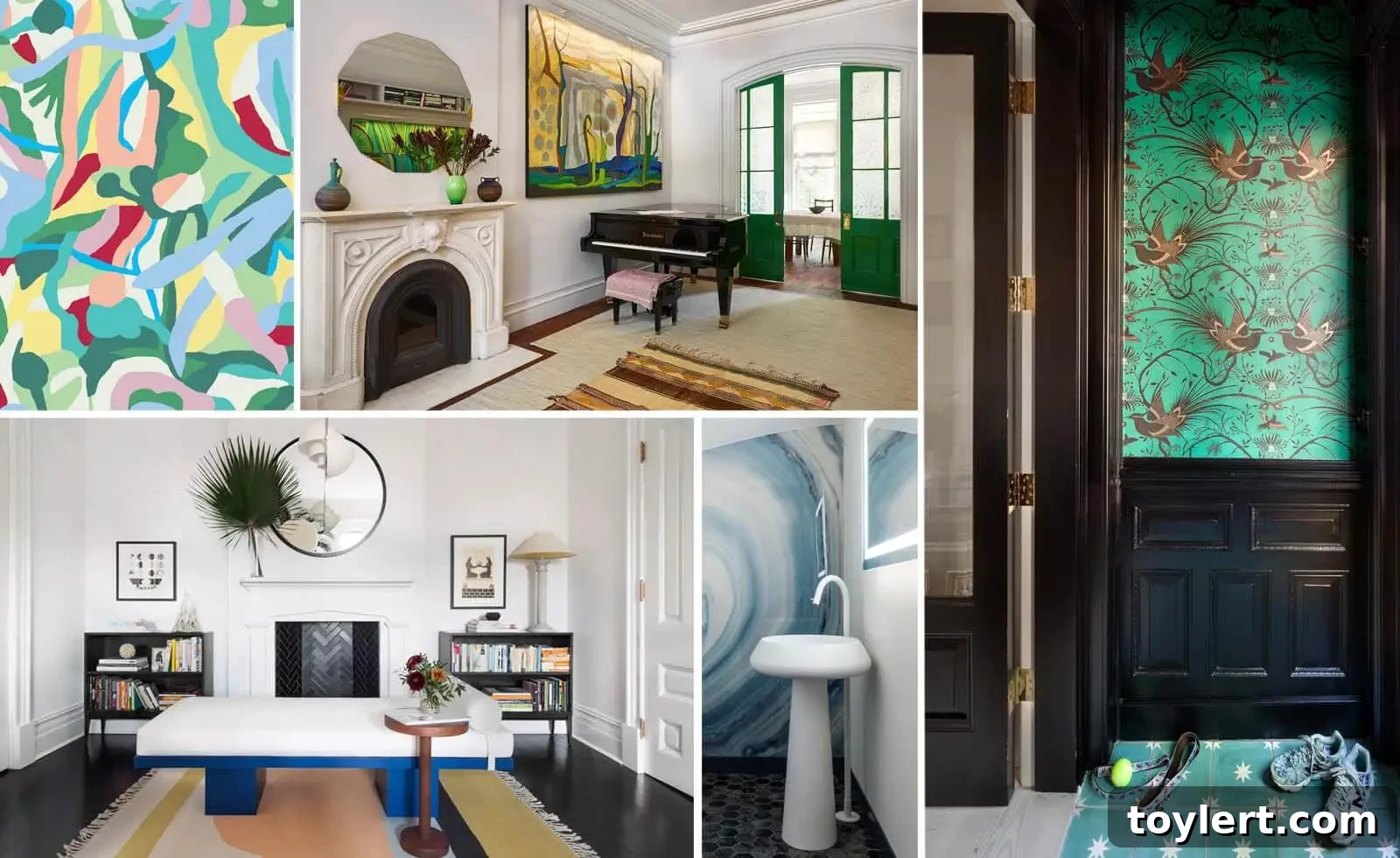
Bid farewell to muted neutrals as jewel tones take center stage, injecting vitality and drama into interiors. Hues like emerald green, sapphire blue, ruby red, amethyst purple, and citrine yellow are being embraced for their profound depth and vibrancy. These colors, often reminiscent of precious gems, bring a sense of richness and elegance. They can be introduced through large pieces of furniture, such as a deep teal velvet sofa, or through smaller, impactful accents like decorative pillows, art pieces, or ceramic vases. The beauty of jewel tones lies in their ability to create an immediate focal point and add a touch of regality. When thoughtfully combined with more subdued backdrops, they provide powerful pops of color that energize a room without overwhelming it, striking a perfect balance between boldness and refined taste.
3. Dynamic Patterns and Intensely Colored Tiles
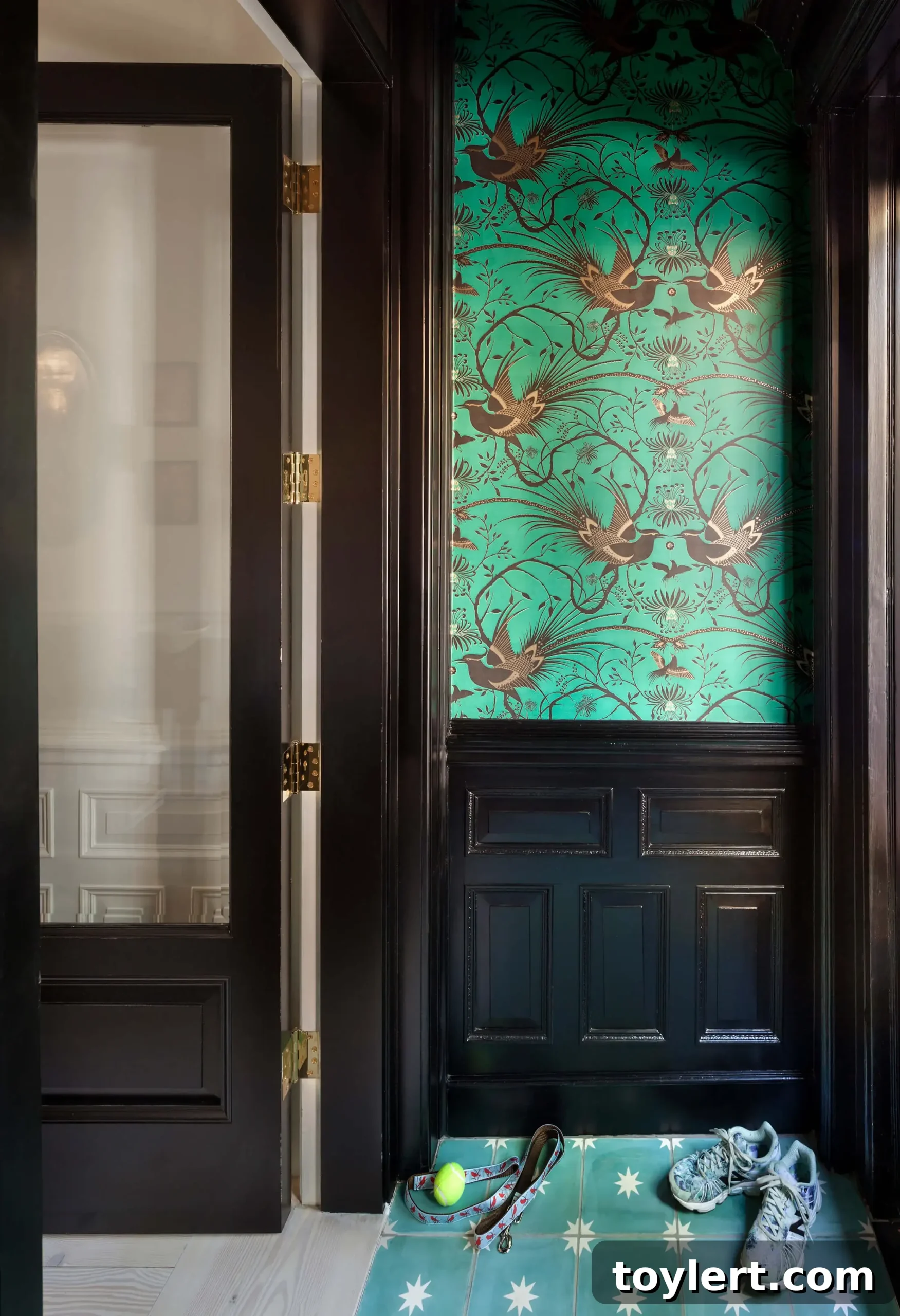
The aversion to pattern is quickly dissipating, making way for bold and playful designs that reflect individual personality. From intricate geometrics and lush botanicals to abstract expressions, patterns are being applied through wallpapers, upholstery, rugs, and even architectural elements. These designs add visual rhythm and can define the character of a room, transforming a plain wall into a work of art. Complementing this trend is the resurgence of intensely colored tiles. Gone are the days of simple white subway tiles dominating kitchens and bathrooms. Now, we see vibrant, patterned, and deeply colored tiles adorning backsplashes, shower walls, and even entire floors. These tiles, often in shades of deep blue, forest green, or terracotta, create dramatic statements and bring a unique, artisanal feel to wet areas and entryways, making these functional spaces equally captivating.
4. Embracing Curves and Organic Forms
The sharp, angular lines characteristic of minimalism are being softened by the graceful inclusion of curves and organic shapes. Curved furniture – sofas with rounded edges, circular dining tables, and flowing accent chairs – brings a sense of fluidity and comfort to a space. Architecturally, archways and vaulted ceilings are re-emerging, adding a timeless elegance and a sense of movement that breaks the monotony of rigid structures. These gentle contours promote a more relaxed and inviting atmosphere, making rooms feel more expansive and less constrained. The psychological effect of curves is often linked to feelings of softness and safety, contributing to the overall warmth and coziness desired in modern homes. This trend is not just about aesthetics; it’s about creating spaces that feel more natural and harmonious.
5. Crafting Fairytale Moods and Whimsical Touches
Beyond specific elements, there’s an overarching trend towards creating spaces that evoke a sense of wonder, charm, and even a touch of magic. This “fairytale mood” is about infusing interiors with personality, storytelling, and unexpected delights. It might manifest through curated collections of unique objects, art that sparks imagination, bespoke lighting fixtures, or eclectic combinations of furniture and decor that defy conventional rules. The goal is to design a home that feels uniquely yours, a personal sanctuary filled with objects and aesthetics that bring joy and intrigue. This approach encourages a departure from mass-produced uniformity, advocating for a more personalized and whimsical environment where every corner tells a story and every detail contributes to a captivating narrative within the home.
Integrating Modern Luxury with Thoughtful Design
While embracing these maximalist tendencies, the new wave of luxurious design is not about clutter or excess. Instead, it’s about thoughtful curation and intentional layering. The key is to balance bold statements with more subdued elements, ensuring that the space remains sophisticated and cohesive. A vibrant velvet sofa might be paired with neutral walls, or a richly patterned rug could anchor a room with otherwise simpler furniture. The focus remains on creating clean, modern environments that feel inherently warm and soft, achieving a balance that fosters both visual delight and absolute comfort. This evolving aesthetic allows for a deeper connection with our living spaces, transforming houses into true homes that reflect our individual styles and nurture our well-being.
Conclusion: A Future of Personalized and Inviting Interiors
The interior design world is clearly moving towards a future where homes are celebrated for their character, warmth, and luxurious appeal. The stark, cold spaces of the past are being replaced by environments rich in texture, color, and form. By incorporating jewel-toned velvets, vibrant patterns, intensely colored tiles, elegant curves, and a general fairytale mood, designers and homeowners are crafting spaces that are not only visually stunning but also deeply inviting and comfortable. This shift signifies a collective desire for homes that are true reflections of personality, offering sanctuaries where modern sophistication meets timeless elegance and genuine warmth.