Editor’s note: An updated version of this post can be viewed here.
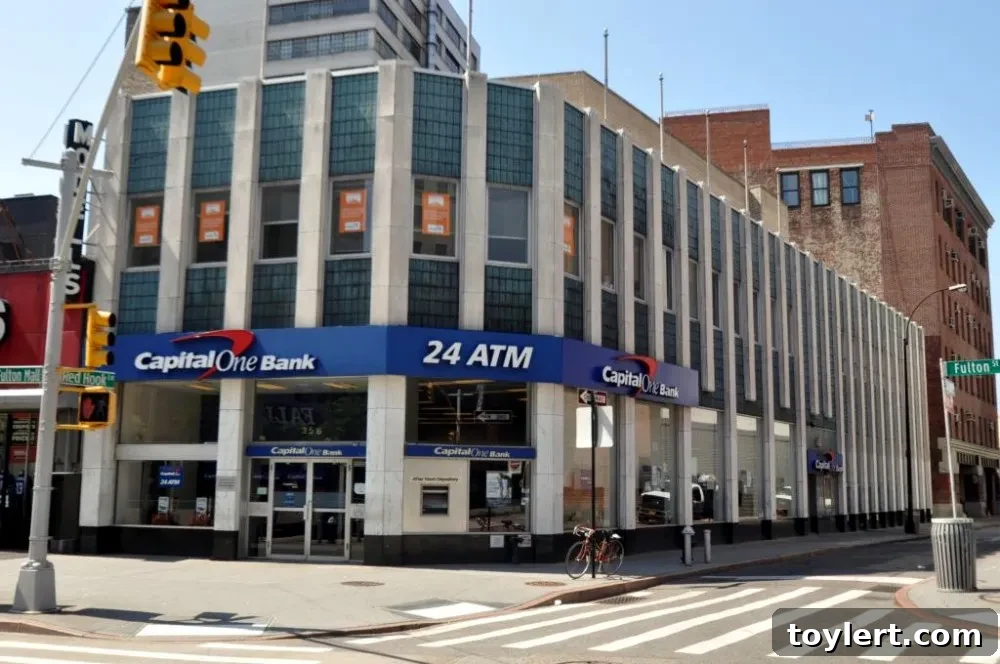
Discovering Mid-Century Modern Marvels in Downtown Brooklyn: The Legacy of 356 Fulton Street
Downtown Brooklyn is a vibrant tapestry woven with threads of history, commerce, and innovation. While many visitors are captivated by its stunning 19th-century brownstones, majestic Beaux-Arts buildings, and imposing pre-war structures, the neighborhood also harbors a fascinating collection of architectural gems from a later era: the mid-20th century. These buildings, often characterized by their clean lines, functional designs, and pioneering use of materials, represent a significant chapter in the city’s development. Among these, the distinctive mid-century modern bank building at 356 Fulton Street stands as a testament to an architectural movement that redefined urban landscapes across America. Its presence offers a compelling counterpoint to the area’s older edifices, inviting us to explore the unique aesthetic and historical context of modern architecture in a decidedly historic setting.
The Distinctive Charm of Mid-Century Modern Architecture in Urban Landscapes
Mid-century modern architecture, a style that flourished roughly from the mid-1930s to the mid-1960s, emerged from a post-World War II landscape brimming with optimism, economic growth, and a widespread desire for progress. This influential movement was characterized by several key principles: a profound focus on functionality, an enthusiastic embrace of new industrial materials like steel, expansive glass panels, and reinforced concrete, a preference for geometric forms and open-plan interior layouts, and a strong, albeit often subtle, connection to nature and the surrounding urban environment. Designers of this period sought to create spaces that were both aesthetically pleasing and highly practical, consciously moving away from the ornate embellishments and historical revival styles of earlier eras towards a more minimalist, streamlined, and efficient approach. The overarching goal was to reflect the progressive spirit of a new age—one defined by innovation, technological advancement, efficiency, and a forward-thinking design philosophy. In an urban context like Downtown Brooklyn, these distinctive buildings often presented a striking contrast to their historical neighbors, symbolizing a bold leap into modernity amidst a backdrop of established tradition and intricate classical designs.
The architects driving this era often experimented with modular elements, utilized large expanses of glass to maximize natural light and foster a sense of transparency, and incorporated daring cantilevered structures that appeared to defy gravity. Their aim was to strip away non-essential ornamentation, allowing the building’s inherent form, structural integrity, and material honesty to communicate its purpose and beauty. This philosophical approach resulted in structures that were often bold in their simplicity, sometimes perceived as austere, but always meticulously purposeful. For banking institutions, this translated into designing buildings that conveyed trustworthiness, stability, and reliability while simultaneously projecting an image of modernity, efficiency, and accessibility. Such designs were strategically intended to appeal to a rapidly growing middle class, eager for financial services that felt both approachable and current with the times.
Banks as Harbingers of Modernity: The 1960s and 1970s Architectural Boom
The mid-20th century witnessed a significant transformation in the banking industry, spurred by economic growth and changing consumer behaviors. As more Americans engaged with financial services, banks sought to expand their physical presence and crucially, update their public image. The architecture of these new branch offices played a pivotal role in this comprehensive rebranding effort. Gone were the days of imposing, temple-like structures designed primarily to intimidate and awe; instead, banks began to commission buildings that were deliberately more inviting, transparent, and reflective of contemporary life and its fast-paced demands. The 1960s and 1970s, in particular, saw a proliferation of modern bank buildings that powerfully embodied this profound shift in design philosophy and institutional self-perception.
These innovative designs frequently featured large, welcoming lobbies with an abundance of natural light, aiming to create an open, accessible, and less intimidating environment for customers. The introduction and widespread adoption of drive-thru windows became common, further emphasizing convenience, speed, and efficiency for the modern banking experience. The buildings themselves frequently incorporated distinctive architectural elements such as geometric screens for sun shading and aesthetic appeal, robust brickwork, pre-cast concrete panels for structural expression, and expansive glass curtain walls that blurred the lines between interior and exterior. These architectural features not only provided a distinctly modern aesthetic but also served practical purposes, such as controlling internal light levels, offering a degree of privacy, and maintaining an overall open and inviting feel. For a bustling commercial hub like Downtown Brooklyn, these modern banks were far more than just places of commerce; they were architectural statements, emphatically signaling the area’s ongoing evolution and its enthusiastic embrace of a progressive future.
The careful selection of materials and the meticulous attention to detail in their construction ensured that these buildings, despite their often minimalist and uncluttered appearance, consistently exuded a powerful sense of permanence and reliability. Architects often employed a deliberately limited palette of materials, relying on their inherent texture, natural color, and dynamic interaction with light to create visual interest and depth. This thoughtful approach contributed to a coherent and sophisticated aesthetic that effectively defined the financial institutions of the era, distinguishing them sharply from their ornate predecessors and positioning them as forward-looking, trustworthy entities in a burgeoning and increasingly complex economy.
356 Fulton Street: A Mid-Century Modern Icon in Downtown Brooklyn’s Fabric
At 356 Fulton Street, we encounter a compelling and well-preserved example of this significant architectural trend. Situated amidst a rich and varied tapestry of 19th-century commercial buildings, this mid-century modern bank structure stands out due to its distinct style, yet it also cleverly integrates itself into the diverse urban fabric of Downtown Brooklyn. While specific details about its original architect or exact construction date (beyond the generally accepted 1960s-1970s timeframe common for such buildings) might require deeper historical archival research, its design ethos speaks volumes about the period. The building likely features a strong emphasis on horizontal lines, a characteristic hallmark of the era, possibly achieved through continuous bands of windows, cantilevered elements, or strategically placed structural elements that draw the eye across its facade. The thoughtful use of robust and contemporary materials, perhaps a combination of durable brick, smooth concrete, and large glass panels, would have been chosen for both their inherent longevity and their ability to convey a sense of modern strength, transparency, and architectural honesty.
One can imagine its original facade: perhaps a carefully proportioned grid of large windows, designed to allow abundant natural light to flood into the banking hall, juxtaposed with solid panels of material that firmly ground the structure and provide a sense of security. The main entrance would have been designed to be distinctly inviting and easily accessible, possibly recessed to create a sheltered vestibule or featuring a prominent overhang, thereby creating a clear and welcoming transition from the busy energy of the street into a more tranquil and focused interior space. Inside, one could readily envision a spacious, uncluttered lobby with generous high ceilings, likely an open-plan layout that efficiently facilitated customer service and projected an image of modern accessibility and efficiency. The interior furnishings and fixtures would have been sleek, functional, and ergonomically designed, perfectly matching the clean and minimalist aesthetic of the building itself.
This particular building, like many of its contemporaries constructed during this period, would have been meticulously designed to be highly functional, effectively serving the practical operational needs of a busy financial institution while simultaneously offering an aesthetically pleasing and progressive environment for both staff and clientele. Its enduring presence on Fulton Street highlights a pivotal moment in Downtown Brooklyn’s extensive architectural story, demonstrating how the neighborhood seamlessly absorbed and adapted new styles and functions into its historically rich core. It serves as a silent narrator of an era when architectural design aimed to elegantly bridge the gap between pure efficiency and refined aesthetics, and when financial institutions sought to present an image of modern reliability and forward-thinking progress to their growing clientele. The strategic choice and application of materials at 356 Fulton Street would have been profoundly deliberate. Concrete, often left exposed or meticulously finished in a smooth, refined manner, would have contributed significantly to the building’s structural integrity and its distinct modern aesthetic. Large plate-glass windows, a quintessential hallmark of mid-century design, would have offered dynamic views of the bustling Fulton Street, while also allowing passersby tantalizing glimpses into the bank’s interior, thereby reinforcing the central theme of transparency and openness. Such considered design choices were not merely superficial stylistic preferences but were deeply intertwined with the functional requirements and the carefully cultivated public image that progressive banking institutions aimed to project during this period of significant social, economic, and technological change.
Downtown Brooklyn’s Evolving Architectural Tapestry: A Dialogue of Eras
Downtown Brooklyn is a living museum of urban development, where distinct architectural periods coexist, often engaging in a fascinating and dynamic dialogue. The striking presence of a mid-century modern bank like 356 Fulton Street, nestled strategically next to venerable 19th-century commercial buildings or even towering, contemporary glass high-rises, vividly underscores the dynamic and continuous nature of urban growth. These modern additions were not random anomalies; rather, they were strategic insertions thoughtfully designed to meet the evolving needs of a thriving and expanding commercial district. They powerfully reflect specific periods of significant urban renewal, ambitious expansion, and architectural innovation, showcasing Brooklyn’s continuous adaptation to profound economic and social shifts over time.
The compelling contrast between the intricate, often ornate detailing of a Victorian-era structure and the clean, minimalist forms of a mid-century building on the same block tells a powerful and layered story. It speaks eloquently to the diverse ambitions, varying design philosophies, and technological advancements that have consistently shaped the borough over centuries. This inherent architectural diversity is precisely what makes Downtown Brooklyn such a compelling and endlessly rewarding place for exploration, allowing one to effortlessly trace the stylistic preferences, material innovations, and technological advancements of different eras within a relatively concentrated geographic area. Each building, whether a grand pre-war edifice boasting historical grandeur or a sleek, mid-century design championing modernism, contributes a unique and irreplaceable voice to the district’s rich, unfolding narrative, ultimately creating a layered and multi-faceted urban experience that is constantly evolving and perpetually fascinating.
Far from being an isolated architectural curiosity, 356 Fulton Street is an integral part of a broader, global trend of architectural modernization that swept through urban centers worldwide in the mid-20th century. Its core design principles, emphasizing clarity, efficiency, and a distinctly forward-looking aesthetic, were systematically applied to various building types, ranging from essential civic structures to prominent commercial establishments and even residential complexes. In Downtown Brooklyn, these pioneering modern buildings played a crucial role in reshaping the streetscape, adding a contemporary edge and visual interest while simultaneously respecting and engaging with the area’s deep historical context. They stand as a powerful testament to the borough’s willingness to embrace progress and innovation without entirely erasing its cherished past, thereby creating a truly unique and harmonious blend of old and new that continues to define its distinctive character and appeal.
The Enduring Legacy and Future of Mid-Century Modern Landmarks
Today, as urban landscapes continue to transform at an unprecedented and rapid pace, mid-century modern buildings like 356 Fulton Street face new challenges and, importantly, new opportunities. Often historically overlooked or undervalued in favor of more ornate historical structures or brand-new, cutting-edge developments, these buildings are now increasingly recognized for their unique architectural merit, profound historical significance, and enduring design principles. They collectively represent a distinct and pivotal moment in American design and urban planning history, and their thoughtful preservation is becoming increasingly crucial for maintaining a comprehensive and nuanced understanding of our rich architectural heritage and its evolution.
Appreciating these often understated structures requires a somewhat different lens than admiring a Neo-Gothic cathedral or a meticulously restored Queen Anne rowhouse. It’s about understanding and valuing the thoughtful simplicity, the ground-breaking innovative use of materials, and the bold, optimistic vision that characterized their original creation. As Downtown Brooklyn continues its relentless and dynamic development, the ultimate fate of these mid-century modern architectural gems becomes a critical point of discussion and civic engagement. Will they be thoughtfully preserved and ingeniously adapted for new, contemporary uses, or will they unfortunately succumb to the relentless pace of demolition and insensitive redevelopment?
The building at 356 Fulton Street, therefore, serves as much more than just a former bank; it is a vital cultural artifact, a tangible and irreplaceable link to a pivotal era of design innovation and significant economic expansion. Its continued presence actively encourages us to look beyond immediate, superficial impressions and to delve into the deeper, more complex narratives intricately embedded within our built environment. Recognizing, valuing, and advocating for the preservation of these “modern” historic structures ensures that Downtown Brooklyn’s architectural story remains as rich, diverse, and complete as possible for future generations to explore, learn from, and deeply appreciate.
Embracing the preservation of these mid-century marvels means consciously acknowledging and celebrating the full spectrum of architectural history that profoundly contributes to the unique identity of a place. It’s about understanding that innovation, too, with the passage of time, inevitably becomes cherished heritage. These buildings, with their clean lines, modernist ideals, and functional elegance, offer invaluable lessons in design principles, sustainable urban planning, and the dynamic, ever-evolving interplay between architectural form and societal function. They stand as enduring symbols of a past vision for the future, gently reminding us that even the most cutting-edge modernity eventually transitions into history, deserving of careful consideration, respectful contemplation, and thoughtful preservation for generations to come.