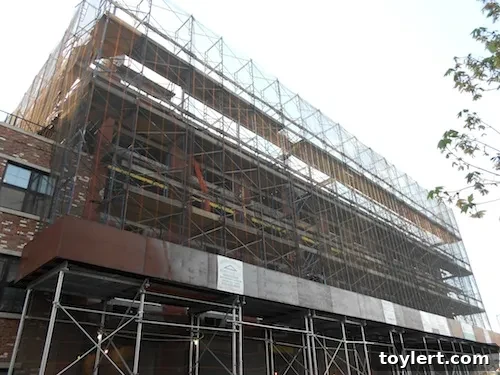
487 Keap Street: Unveiling Williamsburg’s Evolving Residential Landscape
Williamsburg, Brooklyn, stands as a beacon of urban transformation, a vibrant tapestry woven from industrial heritage and modern luxury. Amidst its dynamic streetscapes and burgeoning skyline, properties like 487 Keap Street offer a unique glimpse into the intricate dance of development, ambition, and the bureaucratic process that shapes New York City’s future. For years, this address has been a silent observer of the neighborhood’s relentless ascent, with its construction history reflecting the often-complex journey of urban revitalization projects.
The saga of 487 Keap Street is not uncommon in New York’s competitive real estate market, where projects can sometimes linger in various stages of development for extended periods. What began as a vision for expansion has, for a significant duration, seemed to exist in a state of suspended animation, prompting local curiosity and a watchful eye from prospective residents and investors alike. The journey of transforming an existing structure into a modern residential offering is fraught with challenges, from navigating stringent zoning laws to securing timely permits and managing the myriad logistics of construction in a dense urban environment.
The Road to Transformation: Decoding DOB Records and Development Adjustments
The New York City Department of Buildings (DOB) acts as the official custodian of all construction and renovation records, providing a transparent window into the lifecycle of every building project. A thorough examination of DOB records for 487 Keap Street reveals a narrative of persistent, albeit slow, progress. Recently, significant approvals have been granted for key adjustments to the existing plans. These approvals are not merely administrative formalities; they signify a renewed momentum and a clear path forward for the property.
Specifically, recent DOB permits have authorized modifications to the proposed development. This often involves fine-tuning architectural designs, updating structural plans to meet evolving building codes, or adjusting the scope of work based on current market demands or unforeseen site conditions. Such adjustments are critical pivot points in any large-scale development, ensuring that the final product aligns with contemporary standards and the developer’s vision.
The overarching goal for 487 Keap Street, as indicated by the approved permits, is to convert the existing structure into a five-story residential development, complemented by a strategic one-story addition. This plan signals an ambition to maximize the property’s potential within its current zoning envelope, creating valuable new housing units in one of Brooklyn’s most coveted neighborhoods. The addition of an extra story often requires careful negotiation with zoning regulations and a meticulous architectural approach to ensure seamless integration with the existing building and the surrounding streetscape.
The process of obtaining and amending DOB permits is a complex one, involving multiple reviews, inspections, and approvals from various departments. These detailed steps are designed to uphold public safety, ensure structural integrity, and maintain the aesthetic and functional standards of New York City’s built environment. The green light for these “slight adjustments” suggests that the project has successfully navigated these intricate regulatory waters, paving the way for accelerated construction and eventual completion. For those keenly following the project, the official DOB records serve as the most reliable source of information regarding its progress and current status. You can view the specific permit adjustments here.
Williamsburg: A Hotbed for Residential Investment and Urban Living
Williamsburg’s evolution over the past few decades has been nothing short of remarkable. What was once an industrial fringe has blossomed into a global symbol of cool, creativity, and upscale urban living. This transformation has fueled an insatiable demand for residential properties, making it a prime target for developers and a dream location for many New Yorkers. The neighborhood’s unique blend of historic charm, modern amenities, bustling nightlife, and artistic culture creates an unparalleled living experience.
Key Factors Driving Williamsburg’s Residential Appeal:
- Strategic Location: Its unparalleled proximity to Manhattan, coupled with excellent public transport links (L, G, J, M, Z subway lines), makes it an ideal spot for commuters.
- Vibrant Lifestyle: Williamsburg boasts an eclectic mix of world-class restaurants, trendy boutiques, art galleries, music venues, and thriving co-working spaces.
- Green Spaces and Waterfront Access: Parks like McCarren Park and Domino Park, alongside its East River waterfront access, offer residents ample opportunities for recreation and breathtaking Manhattan skyline views.
- Diverse Community: The neighborhood attracts a diverse demographic, from young professionals and artists to families seeking a vibrant community atmosphere.
- Strong Property Values: Consistent demand has ensured robust property value appreciation, making it an attractive proposition for long-term investment.
New residential developments like the one planned for 487 Keap Street are crucial to meeting this surging demand. They not only provide much-needed housing but also contribute to the ongoing revitalization of sub-districts within Williamsburg, bringing new life and economic activity to specific blocks and avenues. The prospect of a five-story residential building on Keap Street will undoubtedly enhance the local landscape, offering modern living spaces designed to appeal to the discerning urban dweller.
The Vision for 487 Keap Street: Modern Living and Architectural Integration
The plan to convert 487 Keap Street into a five-story residential development with a one-story addition suggests a significant upgrade in both density and amenity. This kind of project typically targets the mid to upper-tier market, offering well-designed units that might range from efficient studios to spacious multi-bedroom apartments, catering to singles, couples, and small families. Modern residential buildings in Williamsburg often feature sought-after amenities such as:
- Rooftop terraces with city views
- Fitness centers and yoga studios
- Resident lounges and co-working spaces
- Bicycle storage and package rooms
- High-end finishes and smart home technology within units
The “one-story addition” is particularly intriguing. It could imply a penthouse unit, a dedicated amenity floor, or an architectural feature designed to distinguish the building. The challenge for developers lies in seamlessly integrating new construction with existing structures, especially in a neighborhood like Williamsburg where industrial aesthetics often blend with contemporary design. The architectural approach for 487 Keap Street will likely aim for a facade that respects the area’s character while offering a fresh, modern appeal.
It’s worth noting that renderings, especially older ones, provide a snapshot of a developer’s initial vision. An older article with a rendering for this building exists, but its current relevance is uncertain. Development plans often evolve significantly from conceptual renderings due to design refinements, market feedback, cost considerations, or updated building codes. What matters most are the most recent approved DOB permits, which reflect the finalized, legally sanctioned plans for the property’s future. The evolution from an initial concept to a final approved design is a standard part of New York City’s complex development cycle, highlighting the dynamic nature of urban planning.
Challenges and Opportunities in NYC Development
Developing in New York City, particularly in highly desirable areas like Williamsburg, presents both formidable challenges and immense opportunities. The dense urban fabric, strict regulatory environment, and high construction costs demand exceptional expertise and financial robustness from developers. However, the consistent demand for housing, fueled by population growth and economic vitality, ensures a strong return on investment for successful projects.
Common Challenges:
- High Land Costs: Acquiring prime real estate in Williamsburg is exceptionally expensive, impacting project feasibility.
- Regulatory Hurdles: Navigating zoning laws, environmental reviews, and numerous permits can be time-consuming and costly.
- Construction Logistics: Building in a densely populated area presents logistical nightmares, from material delivery to noise and waste management.
- Market Fluctuations: Economic downturns or shifts in buyer preferences can impact sales velocity and pricing.
Significant Opportunities:
- Strong Demand: Williamsburg continues to attract a robust pool of renters and buyers, ensuring high occupancy and quick sales.
- Premium Pricing: The neighborhood commands some of the highest residential prices in Brooklyn, leading to high revenue potential.
- Neighborhood Vibrancy: The established infrastructure and desirability reduce marketing challenges for new developments.
- Long-term Appreciation: Property values in Williamsburg have shown sustained growth, making it a sound long-term investment.
The Future of 487 Keap Street: A New Chapter for Williamsburg Living
With the recent approvals from the Department of Buildings, 487 Keap Street is poised to enter an exciting new phase. The protracted construction period appears to be drawing to a close, making way for what promises to be a contemporary residential offering that will contribute positively to the fabric of Williamsburg. As work intensifies on the site, the community will eagerly watch as this once-stalled project finally takes its rightful place among the neighborhood’s vibrant array of residences.
This transformation underscores the continuous evolution of Brooklyn’s most iconic neighborhood. 487 Keap Street represents not just another building, but a testament to the enduring appeal of Williamsburg and the relentless spirit of development that keeps New York City at the forefront of urban innovation. Its completion will add valuable inventory to a perennially undersupplied housing market, offering future residents a chance to live at the heart of one of the world’s most dynamic urban environments.
For more details on the location, you can explore it via GMAP.