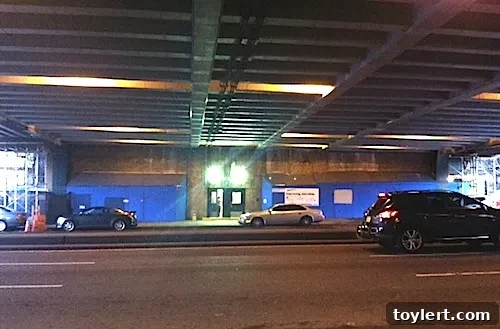
Revitalized Transit Hub: 4th Avenue/9th Street Station Unveils a New Era
New York City’s public transit infrastructure is the lifeblood of its vibrant urban landscape, constantly evolving to meet the demands of millions of daily commuters. Among the most significant improvements shaping this evolution is the comprehensive renovation of key stations, bringing enhanced functionality, aesthetic appeal, and renewed commercial vitality. One such transformation that has garnered considerable attention is the extensive refurbishment of the 4th Avenue/9th Street subway station, a crucial interchange serving Brooklyn’s diverse neighborhoods.
This multi-year endeavor, a testament to the Metropolitan Transportation Authority’s (MTA) commitment to modernizing its vast network, culminated in a significant upgrade to a station that serves as a gateway to areas like Park Slope, Gowanus, and Carroll Gardens. The project, which was initially announced with great anticipation, aimed not just at cosmetic improvements but at a fundamental enhancement of the commuter experience and the integration of the station into the surrounding community.
A Deep Dive into the 4th Avenue/9th Street Station Renovation
The rehabilitation of the 4th Avenue/9th Street station was a sprawling two-year project designed to address the wear and tear of decades of continuous service. Every aspect, from structural integrity to passenger comfort, was meticulously re-evaluated and upgraded. The scope of work encompassed several critical areas, each contributing to the station’s renewed appeal and operational efficiency.
Architectural Preservation and Enhancement
- Exterior Brick Work: A significant portion of the renovation focused on the station’s exterior. The extensive brickwork, which forms a vital part of the station’s historical character, underwent thorough restoration. This involved meticulous cleaning, repair, and replacement of damaged bricks and mortar, ensuring both structural soundness and preserving the architectural heritage of the elevated structure. The renewed brick façade significantly contributes to the station’s visual appeal, making it a more welcoming landmark in the neighborhood.
- Restoration of Entrance Globes and Doors: The iconic entrance globes, often a symbol of New York’s subway system, were carefully restored to their original glory. These luminous fixtures, along with the main entrance doors, serve not only a functional purpose but also contribute to the station’s classic aesthetic. Their refurbishment ensures that the station entrance is not only more secure and accessible but also visually appealing, inviting commuters into a well-maintained environment.
Modernization for a Better Commute
- Replacement of Lighting: Outdated lighting systems were replaced with modern, energy-efficient alternatives. The new lighting drastically improves visibility throughout the station, enhancing safety and security for passengers, particularly during late-night hours. Brighter, more consistent illumination also contributes to a more pleasant and less oppressive atmosphere, a common goal in contemporary subway station designs.
- Reopening of the East Side Entrance: A major convenience enhancement for commuters was the reopening of the east side entrance to the station. This addition significantly improves accessibility and pedestrian flow, especially for residents and workers on the eastern side of 4th Avenue. By providing an alternative entry/exit point, the MTA effectively reduced congestion at the main entrances and offered more direct routes for a substantial portion of the station’s users. This move was widely celebrated by the local community as it streamlined daily commutes.
A New Chapter: Commercial Tenants Underneath the Tracks
Perhaps the most exciting and transformative aspect of the 4th Avenue/9th Street station’s revitalization is the introduction of commercial tenants. Following the completion of the structural and aesthetic upgrades, the storefront spaces located directly beneath the elevated station are now poised to welcome a variety of businesses. This innovative approach by the MTA aims to breathe new life into these previously underutilized spaces, transforming them into vibrant community assets.
The integration of commercial enterprises within the station’s footprint represents a forward-thinking strategy for urban development. While specific tenants have not yet been publicly announced, the possibilities are vast and exciting. These spaces could potentially host:
- Cafes and Eateries: Offering commuters quick and convenient options for coffee, breakfast, or a snack on their way to work or home.
- Small Retail Shops: Providing essential services or unique local products, catering to the daily needs of transit users and neighborhood residents.
- Service Providers: Such as dry cleaners, small electronics repair shops, or even pop-up community spaces.
The presence of commercial tenants will not only generate revenue for the MTA, which can be reinvested into further infrastructure projects, but also profoundly impact the local economy and social fabric. It is expected to:
- Increase Foot Traffic: Drawing more people to the immediate vicinity of the station, benefiting existing local businesses.
- Create Job Opportunities: Contributing to local employment through the new businesses.
- Enhance Neighborhood Vibrancy: Transforming the area around the station into a more dynamic and bustling hub, rather than merely a transit stop.
- Improve Commuter Experience: Offering convenient amenities that make daily commutes more pleasant and efficient.
This initiative aligns with global trends in urban planning, where transit hubs are increasingly seen as integral parts of mixed-use developments, combining transportation with commerce, culture, and community interaction.
The Culver Viaduct Reconstruction: A Monumental Undertaking
In parallel with the station renovation, the wider Brooklyn transit network has seen another colossal infrastructure project nearing its final stages: the $275.5 million Culver Viaduct reconstruction project. This monumental undertaking, stretching over several years, is critical for the long-term reliability and safety of the F and G subway lines.
Understanding the Culver Viaduct’s Importance
The Culver Viaduct is an elevated railway structure carrying the F and G trains over a significant stretch of Brooklyn. Constructed decades ago, it has endured countless years of heavy usage and exposure to the elements. The reconstruction project was essential to address structural deterioration, ensuring the viaduct’s integrity and extending its operational lifespan well into the future. Such projects are vital to maintaining the safety and efficiency of elevated train lines, which are complex feats of engineering.
Scope and Impact of the Reconstruction
The comprehensive reconstruction involved:
- Structural Repairs and Reinforcements: Replacing and repairing steel components, concrete elements, and foundations to ensure the viaduct’s structural stability.
- Track and Signal System Upgrades: Modernizing the tracks for smoother rides and improved signal systems for enhanced operational safety and efficiency.
- Drainage Improvements: Implementing advanced drainage solutions to prevent water damage and corrosion, a common issue for elevated structures.
- Safety Enhancements: Incorporating modern safety features for both trains and maintenance crews.
While such extensive work inevitably involved service changes and disruptions for commuters, the long-term benefits are substantial. A fully reconstructed viaduct means more reliable service, fewer delays due to infrastructure failures, and a significantly safer transit environment for millions of passengers. The investment of nearly $276 million underscores the critical importance the MTA places on robust and modern infrastructure.
The Broader Picture: Investing in New York City’s Future
The concurrent completion of the 4th Avenue/9th Street station refurbishment and the Culver Viaduct reconstruction signals a broader commitment to investing in New York City’s vital infrastructure. These projects are not isolated events but part of a continuous effort to modernize, maintain, and expand one of the world’s most extensive and heavily utilized public transit systems.
The benefits extend far beyond the immediate improvements:
- Economic Growth: Reliable transit is a cornerstone of urban economic activity, facilitating commutes for workers and access for consumers.
- Environmental Sustainability: Efficient public transit reduces reliance on private vehicles, contributing to lower carbon emissions and improved air quality.
- Community Connectivity: Upgraded stations and lines enhance connectivity between neighborhoods, fostering social cohesion and equitable access to opportunities.
- Quality of Life: For millions of New Yorkers, an efficient, clean, and safe subway system directly impacts their daily quality of life.
The revitalization of stations like 4th Avenue/9th Street, coupled with massive structural projects like the Culver Viaduct, represents a proactive approach to addressing the challenges of aging infrastructure while simultaneously preparing for future growth. The introduction of commercial spaces within transit hubs is a smart urban strategy, creating dynamic points of interest and generating new revenue streams.
Conclusion: A Brighter Horizon for Brooklyn Commuters
The culmination of these significant projects marks a new era for public transit in Brooklyn. The 4th Avenue/9th Street station, with its meticulous refurbishment and anticipated commercial vibrancy, is set to become more than just a transit stop—it will transform into a lively community anchor. Simultaneously, the robust completion of the Culver Viaduct reconstruction ensures the long-term resilience and reliability of vital subway lines serving thousands of daily commuters.
These developments underscore a positive trajectory for New York City’s public transportation. As the city continues to grow and evolve, investments in modern, efficient, and community-integrated transit infrastructure are paramount. Commuters can look forward to an enhanced experience, characterized by improved safety, greater convenience, and a more vibrant journey through the heart of Brooklyn. The future of urban transit in New York City looks undeniably brighter, one meticulously renovated station and robustly rebuilt viaduct at a time.