Discovering Affordable Brooklyn: Your Guide to Homes for Sale Under $500,000
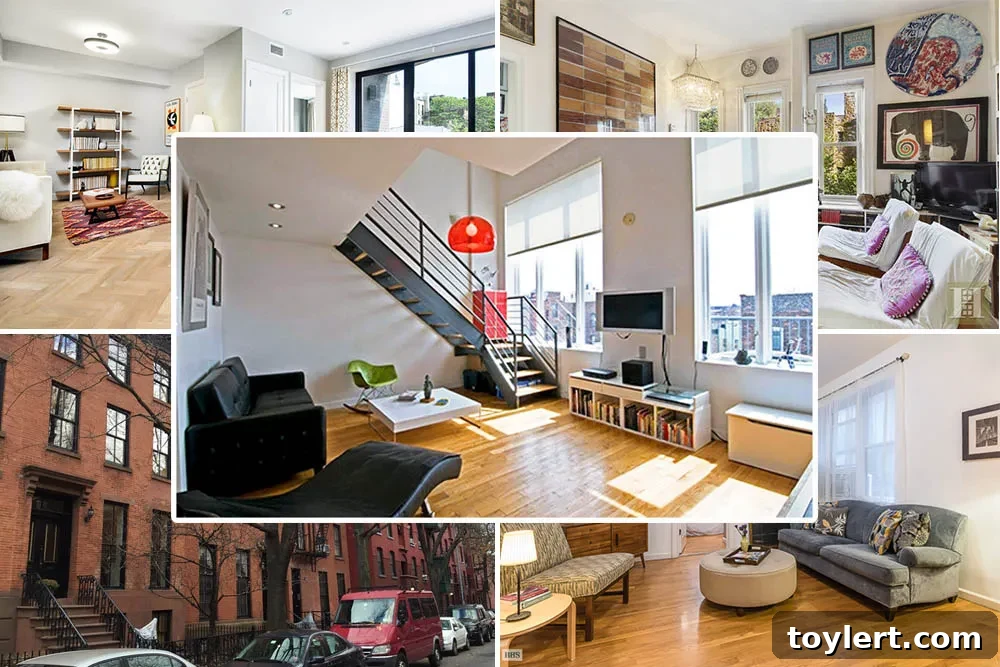
Brooklyn, a borough celebrated for its vibrant culture, diverse neighborhoods, and distinctive charm, often conjures images of luxurious brownstones and million-dollar properties. While it’s true that real estate prices here can be steep, the dream of owning a piece of this iconic New York City borough is still within reach for many. Not everyone is a millionaire on the hunt for a sprawling classic brownstone; a significant portion of aspiring homeowners are looking for accessible entry points into this dynamic market.
For those navigating the competitive landscape of New York City real estate, finding a home in Brooklyn for under $500,000 might seem like a daunting task. However, with the right approach and an understanding of the available options, a selection of appealing co-op and condo units does exist. These opportunities often come with unique characteristics, such as being compact in size or requiring a bit more of a walk to the nearest subway station, but they represent genuine pathways to Brooklyn homeownership. This comprehensive guide aims to illuminate these possibilities, offering insights into how to find and secure an affordable home in one of the city’s most coveted boroughs.
Why Brooklyn Remains a Dream, Even on a Budget
Brooklyn’s appeal extends far beyond its high-end real estate. It’s a borough of distinct communities, each boasting its own character, from the tree-lined streets of historic districts to the bustling avenues of emerging cultural hubs. The draw of Brooklyn includes its world-class parks, diverse culinary scene, vibrant arts and music venues, and strong sense of community. For many, living in Brooklyn means access to a superior quality of life, a rich cultural tapestry, and proximity to Manhattan without being directly in its hustle and bustle.
While the median home price in many Brooklyn neighborhoods far exceeds the half-million-dollar mark, the sub-$500,000 segment of the market caters to first-time buyers, single professionals, or couples looking to make a smart entry into homeownership. This budget requires buyers to be strategic and open-minded, focusing on properties that offer solid value, even if they come with a few trade-offs. The pursuit of affordable homes in Brooklyn is not about settling; it’s about smart investing and understanding the unique opportunities that exist within a dynamic urban market.
Decoding Co-ops vs. Condos: Your Path to Homeownership
When searching for homes for sale in Brooklyn under $500,000, you’ll primarily encounter two types of property ownership: co-operative apartments (co-ops) and condominium units (condos). Understanding the fundamental differences between these is crucial, as each comes with distinct ownership structures, financial implications, and approval processes.
Co-operative Apartments (Co-ops)
Co-ops are the most common form of affordable housing in New York City, often presenting more accessible price points compared to condos. When you purchase a co-op, you’re not actually buying real estate in the traditional sense. Instead, you’re buying shares in a corporation that owns the entire building. These shares come with a proprietary lease that grants you the right to occupy a specific unit. This structure means co-op owners are essentially shareholders and tenants, rather than outright property owners.
The co-op board, composed of elected residents, plays a significant role in the ownership experience. They oversee the building’s finances, maintenance, and, most importantly, approve all prospective buyers. This approval process can be stringent, involving detailed financial disclosures, interviews, and sometimes specific requirements regarding debt-to-income ratios or liquid assets. While this can make the buying process longer and more complex, it also contributes to a more stable and financially secure building community, as residents typically share similar financial standings and commitment to the building’s well-being. Co-op fees, often referred to as maintenance, typically include property taxes, building mortgage interest, utilities, and common area upkeep.
Condominium Units (Condos)
Condos offer a more direct form of homeownership. When you purchase a condo, you own the individual unit outright, along with an undivided interest in the building’s common elements, such as hallways, the roof, and shared amenities. This ownership structure grants owners more autonomy and flexibility compared to co-ops. Condo owners pay common charges to a homeowners’ association (HOA) for the maintenance and repair of shared spaces, along with separate property taxes directly to the city.
The buying process for condos is generally less intrusive than for co-ops. While HOAs have the right of first refusal, they rarely exercise it, and buyers typically don’t face a lengthy board interview or stringent financial requirements beyond what a mortgage lender would require. This can make condos a more attractive option for buyers seeking a smoother, quicker closing process. Although condos in Brooklyn tend to be pricier than comparable co-ops, finding a condominium unit under $500,000 is still possible, especially in developing neighborhoods or for smaller, efficiently designed units.
Navigating Brooklyn’s Neighborhoods: Where to Find Value
The key to finding affordable homes in Brooklyn often lies in exploring neighborhoods that are either emerging or offer relative value compared to the borough’s more established, high-demand areas. While iconic locales like Dumbo, Brooklyn Heights, or Park Slope might be out of reach, many other communities provide excellent opportunities for first-time buyers and those on a budget.
Emerging Gems and Established Value
Consider neighborhoods further east or south, such as East Flatbush, Canarsie, or parts of Bushwick and Bedford-Stuyvesant (Bed-Stuy). These areas have historically offered more competitive pricing and are increasingly seeing investments in infrastructure, local businesses, and community development. While they might require a longer commute to Manhattan or lack immediate subway access, they often compensate with larger living spaces, a stronger sense of local community, and a more authentic Brooklyn experience.
Additionally, some established neighborhoods may have pockets of affordability, especially for smaller units or properties that require some renovation. Areas like Bay Ridge, Sunset Park, or even parts of Flatbush and Midwood, while further from prime subway lines, offer well-maintained co-op buildings and occasional condo listings within the $500,000 budget. These neighborhoods often boast excellent local amenities, diverse culinary scenes, and a relaxed residential atmosphere that appeals to many seeking a vibrant but manageable urban lifestyle.
The Trade-Offs: What to Expect When Buying Under $500k
Securing a home in Brooklyn for under half a million dollars almost always involves making certain trade-offs. Understanding and embracing these compromises is essential for a successful and satisfying home search.
Size and Space Considerations
The most common compromise at this price point is often space. Properties under $500,000 are typically studio or one-bedroom units, sometimes smaller than average. Buyers should prepare for efficient layouts, compact kitchens, and bathrooms. However, smart design and creative storage solutions can make even a small space feel comfortable and functional. Focus on properties with good light, sensible floor plans, and the potential for personalization to maximize the living experience.
Commute and Location
Another significant factor is location and proximity to public transit. Many affordable units are found in neighborhoods that require a longer commute to Manhattan or popular Brooklyn hubs. This might mean being a “healthy walk” from the nearest subway station, relying on bus lines, or considering bicycling as a primary mode of transport. Evaluate your daily commute needs and lifestyle preferences carefully. A slightly longer commute might be a small price to pay for significant savings on the purchase price and access to a quieter, more residential environment.
Amenities and Building Features
At this price point, high-end amenities like doormen, gyms, or rooftop access are less common. Many buildings might offer basic amenities such as shared laundry facilities, a live-in super, or a communal courtyard. Some might be older buildings with classic charm but fewer modern conveniences. Prioritize what truly matters to you in terms of building features. A well-maintained older building with a strong co-op board or HOA can be a more stable and financially sound investment than a new building with flashy but costly amenities.
The Buying Process: A Step-by-Step Guide for Brooklyn Buyers
Navigating the Brooklyn real estate market requires preparation and strategic execution, especially when targeting affordable homes. Here’s a simplified breakdown of the buying process.
Getting Your Finances in Order
Before you even begin your search, understand your financial standing. Secure pre-approval for a mortgage, which clearly outlines how much a lender is willing to loan you. This will help you set a realistic budget and show sellers you are a serious buyer. Factor in not just the purchase price, but also closing costs, potential renovation expenses, and ongoing monthly costs like maintenance fees (for co-ops) or common charges and property taxes (for condos).
Working with a Real Estate Agent
A local real estate agent with expertise in Brooklyn’s affordable market is invaluable. They can help identify properties that meet your criteria, offer insights into specific neighborhoods, and guide you through the complexities of co-op board applications or condo HOA rules. Their knowledge of market trends and negotiation skills can be crucial in securing a desirable property within your budget.
The Offer and Closing Process
Once you find a suitable unit, your agent will help you craft a competitive offer. For co-ops, this stage is followed by the extensive board application and interview process. For condos, the process is typically more streamlined after an accepted offer. Be prepared for legal due diligence, inspections, and potentially several months from offer acceptance to closing. Patience and thoroughness are key to a smooth transaction.
Financial Deep Dive: Beyond the Purchase Price
The sticker price of a home is only part of the financial equation. Understanding the ongoing costs associated with Brooklyn homeownership is essential for accurate budgeting and long-term financial planning.
Maintenance Fees and Common Charges
For co-ops, maintenance fees can be substantial, as they often include a portion of the building’s underlying mortgage, property taxes, heat, hot water, and general building upkeep. Condo common charges cover similar operational costs for shared areas, but property taxes are paid separately. It’s crucial to review the building’s financial statements and understand what these monthly fees cover to avoid any surprises.
Property Taxes
Property taxes in New York City are assessed based on the property’s value and classification. For condos, you’ll pay these taxes directly to the city. For co-ops, property taxes are typically rolled into your monthly maintenance fees. Researching historical tax increases and understanding the current assessment for your desired property type is important for long-term budgeting.
Closing Costs
Beyond the down payment, buyers should budget for significant closing costs, which can include attorney fees, title insurance, mortgage recording taxes, bank fees, and building application fees (especially for co-ops). These costs can range from 3% to 6% of the purchase price, so factor them into your overall budget to ensure you have sufficient funds available at closing.
Maximizing Your Investment: Tips for Savvy Buyers
Buying an affordable home in Brooklyn is not just about finding a place to live; it’s also about making a smart investment in your future. Here are tips to maximize your return.
Embrace Renovation Potential
Units under $500,000 might benefit from cosmetic upgrades or minor renovations. Viewing a property with an eye for its potential can uncover hidden gems. A fresh coat of paint, updated fixtures, or a reconfigured layout can significantly increase a unit’s value and enhance your living experience. Be sure to check building rules for renovations before purchasing.
Look for Undervalued Locations
Keep an eye on areas that are on the cusp of significant development or gentrification. These “up-and-coming” neighborhoods might offer lower prices now but hold strong appreciation potential as new businesses, transportation options, and amenities arrive. Researching future zoning changes and urban development plans can provide valuable foresight.
Understand the Market Trends
Stay informed about Brooklyn’s real estate market trends. Understanding whether it’s a buyer’s or seller’s market, typical time on market for similar properties, and recent comparable sales can give you leverage in negotiations. A well-informed buyer is a powerful buyer, even in a competitive market.
Is Brooklyn Under $500,000 Right for You?
The journey to finding affordable homes in Brooklyn under $500,000 is an exercise in patience, research, and strategic thinking. It means embracing the unique charm of co-ops, exploring a broader range of neighborhoods, and being realistic about space and amenities. However, for those willing to navigate these considerations, the rewards are immense: the opportunity to own a piece of one of the world’s most exciting cities, to immerse yourself in its vibrant communities, and to build equity in a market known for its long-term stability and growth.
Ultimately, the choice is yours. Are you ready to embark on this exciting search and discover the possibilities that await within Brooklyn’s accessible real estate market?