The Enduring Charm of Brooklyn Row Houses: Unveiling Architectural Splendor on St. Marks Avenue
Brooklyn, one building at a time, tells a story of unparalleled architectural heritage. Among the borough’s most iconic structures, the row house stands as a timeless symbol of its rich history, community spirit, and enduring elegance. These magnificent homes, often characterized by their stately facades, grand stoops, and intricate details, are more than mere residences; they are living testaments to the craftsmanship and vision of generations past. Today, they continue to define Brooklyn’s most coveted neighborhoods, offering a unique blend of historic charm and modern urban living. This article delves into the captivating world of Brooklyn row houses, with a special focus on the distinctive architectural landscape found along picturesque St. Marks Avenue, a street that beautifully encapsulates the borough’s profound love affair with these storied buildings.
The allure of a Brooklyn row house is undeniable, drawing admirers from around the globe who are captivated by their distinct character and the vibrant streetscapes they create. From the warm hues of brownstone to the intricate ironwork gracing their entrances, each detail contributes to a grand narrative of urban evolution and preservation. As we explore the history, architectural styles, and cultural significance of these remarkable structures, it becomes clear why the Brooklyn row house remains a cherished icon, shaping the identity of one of New York City’s most dynamic boroughs. Our journey into this architectural wonderland will highlight the specific charm that locations like St. Marks Avenue offer, providing a glimpse into the soul of Brooklyn’s historic residential fabric.
A Glimpse into Brooklyn’s Architectural Heartbeat: The Row House Legacy
The story of the Brooklyn row house is deeply intertwined with the borough’s rapid expansion in the 19th century. As New York City’s population boomed, there was an urgent need for efficient, elegant housing solutions for the burgeoning middle and upper classes. The row house model, adapted from European urban designs, provided a sophisticated answer, allowing for dense yet dignified residential developments. These homes were typically built in continuous rows, sharing side walls, but each presenting a unique facade to the street, contributing to a harmonious yet diverse streetscape.
The architectural evolution of Brooklyn’s row houses is a fascinating study in style and adaptation. Early examples often embraced the simplicity and grandeur of the Federal and Greek Revival styles, characterized by clean lines and classical proportions. However, it was the mid-19th century that saw the rise of the iconic “brownstone,” named for its distinctive sandstone cladding. Italianate, Neo-Grec, and Queen Anne styles then emerged, each adding layers of ornate detail, asymmetrical compositions, and a rich palette of materials. Builders experimented with brick, terra cotta, and various types of stone, creating an astounding variety of textures and visual interest across Brooklyn’s residential blocks. This period was a golden age for craftsmanship, with skilled artisans meticulously carving cornices, sculpting intricate window enframements, and fashioning elaborate iron railings, transforming mere buildings into works of art.
Beyond their aesthetic appeal, these homes played a crucial role in shaping Brooklyn’s social fabric. They fostered a sense of community, with shared stoops becoming natural gathering places and tree-lined streets inviting leisurely strolls. The consistent scale and quality of these homes attracted families and professionals, contributing to the establishment of stable, prosperous neighborhoods that valued both beauty and practicality. The legacy of these homes continues to resonate today, embodying a commitment to quality and a deep appreciation for architectural heritage that remains central to Brooklyn’s identity.
St. Marks Avenue: A Tapestry of Historic Homes
St. Marks Avenue stands as a shining example of Brooklyn’s architectural wealth, particularly within neighborhoods like Prospect Heights and Crown Heights, where it gracefully weaves its way through some of the borough’s most historically significant areas. This tree-lined thoroughfare is more than just a street; it is a living museum, showcasing an impressive array of row house styles that tell a nuanced story of 19th and early 20th-century urban design. Walking along St. Marks Avenue offers a palpable sense of history, with each building contributing to a rich, cohesive visual narrative that is both grand and intimately inviting.
What makes St. Marks Avenue particularly captivating is its architectural diversity within a unified context. Here, one can observe the stately elegance of Romanesque Revival brownstones, characterized by their rough-hewn stone facades and dramatic arches, standing alongside the more decorative and varied textures of Queen Anne homes, with their turrets, bay windows, and mixed materials. The avenue often features buildings with classic Italianate flourishes, including deep cornices and elaborate window hoods, creating a delightful interplay of forms and periods. This variety is not chaotic but rather contributes to a harmonious streetscape, where each building, though distinct, complements its neighbors, creating a sense of continuity and timeless beauty.
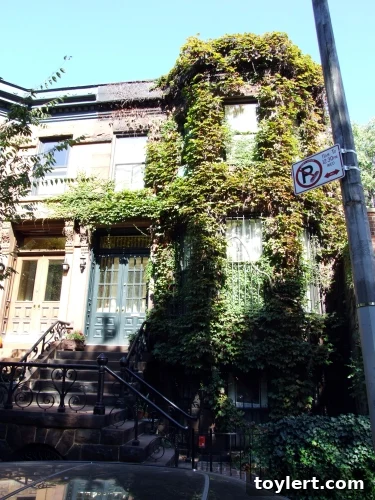
Consider, for instance, a typical row house like the one depicted, often found around addresses such as 59 St. Marks Avenue. Such a residence might feature a quintessential brownstone facade, perhaps adorned with intricate carvings around the entrance or along the cornice line. Its broad stoop, a hallmark of Brooklyn row houses, would invite visitors upwards to a grand parlor floor. Large sash windows, possibly with decorative lintels or sills, would allow abundant natural light to flood the interiors, reflecting the high ceilings and generous proportions characteristic of these homes. The robust construction and thoughtful design of these buildings speak to a bygone era of meticulous craftsmanship, making them enduring symbols of Brooklyn’s architectural prowess and a constant source of admiration for residents and visitors alike.
Unpacking the Architectural Details: From Stoop to Cornice
The beauty of Brooklyn’s row houses, and those along St. Marks Avenue in particular, lies in their meticulous architectural details. Each element, from the ground up to the rooftop, contributes to the building’s overall character and historical significance. Perhaps the most recognizable feature is the iconic stoop, a grand set of steps leading from the sidewalk to the main entrance on the parlor floor. More than just an entryway, the stoop served as a semi-public social space, a place for neighbors to gather, chat, and watch the world go by. Its design, often adorned with elaborate iron railings and sometimes incorporating small gardens or planters, speaks volumes about the home’s grandeur and the urban social life it fostered.
The facade materials and ornamentation are equally compelling. While brownstone is famously prevalent, many row houses boast rich brickwork, sometimes accented with terra cotta or contrasting stone trim. Intricate cornices, often made of pressed metal or stone, cap the buildings, providing a decorative flourish that draws the eye upwards. Window enframements, from simple stone sills and lintels to highly decorated surrounds, add depth and texture. The interplay of materials and decorative motifs creates a visual richness that is both elegant and engaging, reflecting the specific architectural style and the tastes of the era in which the house was built.
Window types and their significance also play a vital role in the aesthetic and functionality of these homes. Large, often double-hung sash windows are typical, designed to maximize natural light and ventilation. Bay windows, protruding from the facade, are common in later Victorian styles, adding architectural interest and expanding interior views. Stained glass panels, often found in transoms above entryways or within stairwells, introduce vibrant color and intricate patterns, casting beautiful light into the homes and adding a touch of bespoke artistry. Inside, the layouts are typically generous, featuring high ceilings, original fireplaces with ornate mantels, elaborate plaster moldings, and grand pocket doors that connect spacious parlors, dining rooms, and kitchens. These interior details reflect the era’s emphasis on entertaining and comfortable family living, creating spaces that are both grand and welcoming.
The Enduring Allure of the Brooklyn Brownstone
While the term “Brooklyn Brownstone” has become almost synonymous with the borough’s historic row houses, it’s important to recognize that not all these stately homes are clad in brownstone. Many are constructed from beautiful brick, often with stone or terra cotta accents, each material contributing its unique charm and character to the urban fabric. Nevertheless, the brownstone aesthetic, with its warm, earthy tones and robust appearance, has captured the collective imagination, becoming a powerful symbol of Brooklyn’s unique architectural and cultural identity. It evokes images of historic grandeur, leafy streets, and a quintessential New York City lifestyle that is both elegant and authentic.
The cultural significance of these homes extends far beyond their aesthetic appeal. They represent a tangible link to Brooklyn’s past, embodying centuries of history within their walls. Owning or living in a Brooklyn brownstone is often seen as a custodianship of heritage, a commitment to preserving the architectural integrity that defines these neighborhoods. This cultural reverence translates directly into their enduring value in the real estate market. Brooklyn row houses, especially those in well-preserved historic districts like those bordering St. Marks Avenue, consistently rank among the most desirable and valuable properties in New York City. Their scarcity, unique character, and robust construction ensure that they remain highly sought after by those seeking a blend of historical charm and modern convenience.
Crucially, the continued existence and beauty of these homes are largely due to dedicated preservation efforts. Landmark designations protect many of Brooklyn’s historic districts, imposing regulations that ensure exterior alterations adhere to historical standards. Homeowners, often passionate about their properties, invest heavily in maintaining and restoring original details, from repairing intricate cornices to refurbishing original window sashes. This collective commitment to preservation ensures that future generations will continue to enjoy the architectural splendor and historical richness that define Brooklyn’s row house neighborhoods, keeping the legacy alive and vibrant.
Living History: Modern Life in a Historic Setting
Living in a Brooklyn row house means embracing a unique blend of history and modernity. While these homes offer an unparalleled sense of charm and character, they also present specific considerations for contemporary living. Renovating a historic row house often involves a delicate balance: preserving invaluable original details like ornate moldings, fireplaces, and intricate staircases, while simultaneously updating the infrastructure to meet modern standards of comfort, efficiency, and technology. This process can be challenging, requiring specialized contractors and a deep understanding of historical preservation, but the rewards—a home with soul, character, and an undeniable sense of place—are immeasurable.
Beyond the individual dwelling, residing in a row house neighborhood like those along St. Marks Avenue fosters a distinct community and lifestyle. These areas are characterized by tree-lined streets, local shops, cafes, and parks, encouraging a walkable and vibrant urban experience. Neighbors often connect on their stoops, in community gardens, or at local events, creating a strong sense of belonging that is increasingly rare in large cities. The proximity to cultural institutions, diverse dining options, and excellent transportation links further enhances the appeal, offering the best of city living within a historically rich and visually stunning environment.
Furthermore, the inherent sustainability of these well-built, long-lasting structures is increasingly recognized. Designed to endure for centuries, row houses minimize the need for new construction materials and reduce landfill waste. Their robust masonry construction often provides natural insulation, contributing to energy efficiency. By valuing and maintaining these historic homes, residents are not only preserving architectural heritage but also contributing to a more sustainable urban future, proving that truly timeless design is also inherently green.
Conclusion: The Enduring Legacy of Brooklyn’s Architectural Jewels
The Brooklyn row house, exemplified by the stunning architecture found along St. Marks Avenue, represents far more than just a type of dwelling. It embodies a rich tapestry of history, masterful craftsmanship, and an unwavering commitment to urban elegance. These architectural jewels continue to define the character of Brooklyn, serving as silent narrators of its past and vibrant backdrops to its present.
From their iconic stoops to their intricate cornices, every detail of a Brooklyn row house speaks of a bygone era yet effortlessly integrates into modern life. They offer not just homes, but a lifestyle rooted in community, history, and an appreciation for lasting beauty. As Brooklyn continues to evolve, these cherished structures remain steadfast, a testament to enduring design and the timeless appeal of a borough built with passion and precision. The legacy of the Brooklyn row house, with its unique blend of grandeur and intimacy, will undoubtedly continue to captivate and inspire for generations to come.