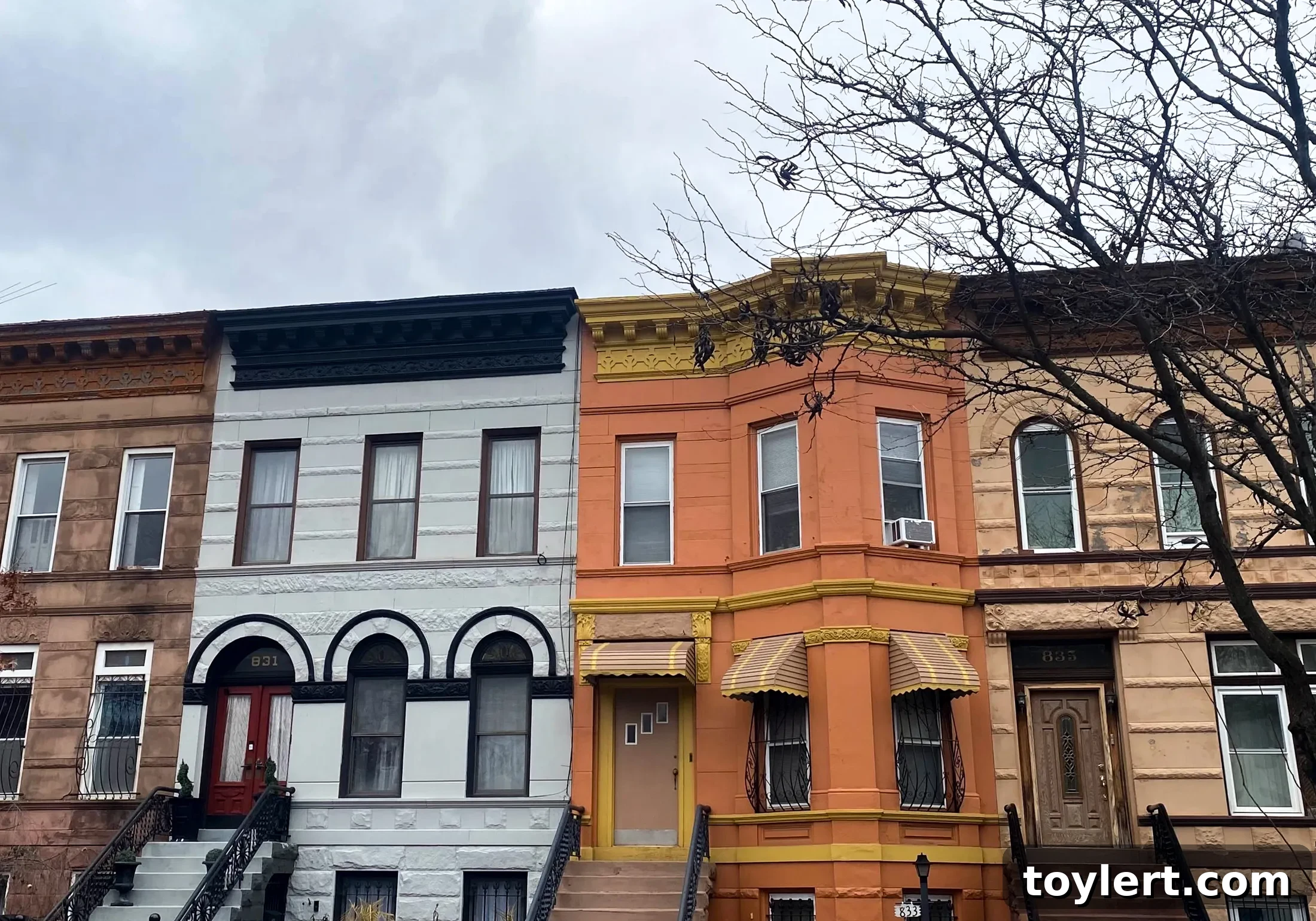
New York City & Brooklyn News Digest: Navigating Urban Dynamics
Stay informed with the latest headlines shaping New York City and its vibrant borough, Brooklyn. This comprehensive digest provides insights into critical developments across housing, public safety, urban planning, and the dynamic cultural scene. From landmark corruption cases to innovative housing proposals, and from vital infrastructure upgrades to challenges facing the arts sector, these stories reflect the complex tapestry of life in one of the world’s most iconic cities. Dive into the details and understand the broader implications of these significant events for residents, policymakers, and visitors alike.
Housing, Development & Urban Planning
Housing remains a central theme in New York City, grappling with affordability, systemic issues, and ambitious plans for future development. These stories highlight both the challenges and the innovative solutions emerging from the city’s complex urban landscape.
Scores of Public Housing Workers Charged in Record Corruption Case
A significant crackdown on corruption within the New York City Housing Authority (NYCHA) has seen scores of public housing workers charged in what has been described as one of the largest federal corruption cases targeting a single entity in the city’s history. This sweeping investigation brings to light deeply entrenched issues within an agency responsible for housing hundreds of thousands of New Yorkers. The charges, ranging from bribery to extortion, underscore a systemic problem that has allegedly diverted essential resources and funds intended for the maintenance and improvement of public housing facilities. The implications are profound, potentially impacting resident services, long-awaited repairs, and the public’s trust in vital city institutions. This case serves as a stark reminder of the ongoing challenges in ensuring accountability and transparency within large municipal organizations, especially those critical to the well-being of vulnerable populations across the five boroughs. The outcome of these proceedings will undoubtedly shape future policies and oversight mechanisms for NYCHA and other public sector entities.
A New Bill Could Bring ‘Social Housing’ to New York
In a potentially transformative move to address New York’s persistent housing crisis, a new bill proposes the introduction of ‘social housing’ across the state. This concept, popular in many European cities, typically involves non-market-rate housing that is publicly owned or managed by non-profits, designed to provide permanently affordable and stable homes regardless of fluctuating market conditions. The proposed legislation seeks to create new pathways for developing and sustaining such housing, moving beyond the limitations of traditional affordable housing models that often rely heavily on tax credits and private sector partnerships. Proponents argue that social housing could offer a more robust and equitable solution to housing insecurity, ensuring long-term affordability for a broader spectrum of income levels. However, the implementation would require significant political will, innovative funding mechanisms, and potential shifts in established development practices. This initiative marks a crucial step in reimagining New York’s approach to housing and could set a precedent for other urban centers grappling with similar affordability challenges.
Affordable Housing Developers May Get New Density Bump
The Adams administration is reportedly considering a policy that would grant affordable housing developers a ‘density bump’, allowing them to build more units than current zoning regulations typically permit. This proposed measure is part of a broader strategy to accelerate the creation of much-needed affordable housing throughout New York City. By increasing allowable density, the city aims to incentivize developers to construct more affordable units, potentially making projects more financially viable in a challenging economic climate. This initiative reflects the administration’s commitment to tackling the housing supply shortage, which is a significant contributor to rising rents and homelessness. While a density bump could expedite development, it also sparks discussions about urban planning, neighborhood character, and infrastructure capacity. Advocates for increased housing supply often support such measures, while some community groups express concerns about overcrowding or changes to their area’s aesthetic. The debate around density and its role in solving the housing crisis continues to be a central topic in NYC’s urban development discourse.
Permits Filed for 823 Maple Street in East Flatbush, Brooklyn
New construction activity is on the horizon for East Flatbush, Brooklyn, with permits recently filed for a development at 823 Maple Street. This filing signals the continued growth and transformation of one of Brooklyn’s vibrant residential neighborhoods. While specific details about the project’s scale and scope are often revealed following permit approvals, such filings typically indicate plans for new residential buildings, potentially including a mix of market-rate and affordable units. East Flatbush, known for its diverse community and cultural richness, has seen increasing interest from developers as Brooklyn continues to expand and evolve. New developments often bring with them both opportunities and challenges, including questions about infrastructure, local services, and preserving neighborhood identity. The progress of projects like 823 Maple Street is closely watched by community members and real estate observers as an indicator of the ongoing development trends shaping Brooklyn’s future and contributing to the dynamic urban fabric of New York City.
Community Safety & Infrastructure
Ensuring public safety and modernizing infrastructure are ongoing priorities for New York City. These stories highlight efforts to improve street safety, address criminal activities, and respond to tragic incidents within the community.
Atlantic Avenue Crossings Aim to Slow Cars on ‘Boulevard of Death’
In a crucial effort to enhance pedestrian safety, new interventions are being implemented along Atlantic Avenue in Brooklyn, notoriously dubbed the ‘Boulevard of Death’ due to its high incidence of accidents. The latest initiatives focus on installing mid-block crossings and other traffic-calming measures designed to slow vehicular speeds and make the thoroughfare safer for pedestrians and cyclists. Atlantic Avenue, a major arterial road spanning several Brooklyn neighborhoods, has long been a concern for community advocates and urban planners seeking to reduce traffic fatalities and injuries. These upgrades are part of New York City’s broader Vision Zero initiative, which aims to eliminate traffic-related deaths and serious injuries through improved street design, enforcement, and public education. The success of these crossings will be critical in transforming a historically dangerous roadway into a more accessible and secure urban corridor, reflecting a commitment to prioritizing human life over vehicular speed in city planning.
Alleged NYC Migrant Crime Ring Stole Victims’ Phones, Money: Cops
Authorities in New York City have announced the disruption of an alleged migrant crime ring accused of stealing phones and money from victims across the city. Police reported that the organized group engaged in a series of drive-by thefts, targeting unsuspecting individuals and swiftly making off with their valuables. This incident has drawn significant attention, sparking public safety discussions and raising complex questions surrounding crime, immigration, and urban security in a city that is a primary destination for migrants. The NYPD’s investigation highlights the ongoing challenges of combating various forms of urban crime, from petty theft to more organized operations. While investigations are ongoing, the case underscores the importance of continued vigilance and collaboration between law enforcement and community members to ensure the safety and security of all New York City residents. The response to such incidents often involves a multifaceted approach, addressing both enforcement and underlying social factors.
Fundraiser Launched for Worker Killed in Brooklyn Building Collapse
Following a tragic incident in Brooklyn, a fundraiser has been launched to support the family of a worker killed in a building collapse. This heartbreaking event serves as a somber reminder of the inherent dangers in construction work and the critical need for stringent safety protocols on job sites across the city. Details surrounding the collapse are under investigation, with authorities looking into the causes and any potential violations that may have contributed to the tragedy. The outpouring of community support through the fundraiser underscores New Yorkers’ collective empathy and readiness to assist those affected by unforeseen calamities. Beyond immediate relief, such incidents typically reignite discussions about construction worker safety, regulatory oversight, and the ethical responsibilities of developers and contractors to ensure secure working environments. This event highlights the human cost often associated with the rapid pace of development in a city like New York and the enduring impact on families and communities.
Arts, Culture & Community Life in Brooklyn
Brooklyn’s cultural landscape continues to evolve, reflecting both its vibrant artistic spirit and the economic realities faced by its institutions and small businesses. These stories capture the essence of Brooklyn’s unique blend of creativity and community resilience.
One of NYC’s Best-Dressed Parties Is at the Brooklyn Museum
The Brooklyn Museum is making headlines not just for its art, but for hosting one of NYC’s most celebrated and best-dressed parties. These monthly events transform the museum into a vibrant social hub, attracting a diverse crowd eager to immerse themselves in culture, fashion, and community. Far from traditional museum galas, these gatherings are known for their lively atmosphere, unique themes, and the sartorial creativity of their attendees, making them a standout on the city’s social calendar. The success of these parties highlights the Brooklyn Museum’s innovative approach to engaging the public, extending its role beyond a repository of art to become a dynamic cultural anchor and a gathering place. Such events not only boost the museum’s profile but also contribute significantly to Brooklyn’s reputation as a mecca for arts, culture, and unique social experiences, reaffirming its status as a borough constantly redefining urban entertainment.
Brooklyn Arts Nonprofit BRIC Lays Off 16 Employees
The Brooklyn arts community faces a significant setback as BRIC, a prominent Brooklyn arts nonprofit, has announced layoffs impacting 16 employees. This news sends ripples through the borough’s cultural sector, highlighting the precarious financial landscape often faced by arts organizations, even well-established ones. BRIC is a vital institution known for its multidisciplinary programming, including contemporary art exhibitions, performing arts, and community media initiatives that serve a broad spectrum of Brooklyn residents. The layoffs likely stem from economic pressures, shifts in funding, or strategic restructuring, reflecting broader challenges within the nonprofit arts world in the post-pandemic era. This event prompts concerns about the sustainability of cultural institutions and their ability to continue providing essential services and creative outlets. The community will undoubtedly rally to support BRIC and its staff, underscoring the importance of robust funding and public support for the arts to ensure Brooklyn’s cultural vibrancy endures.
The Empty Bed Stuy Dry Cleaner That Became a Printing Studio
In a fascinating example of urban regeneration and creative reuse, an empty dry cleaner in Bed-Stuy has been transformed into a vibrant printing studio. This transformation speaks to the entrepreneurial spirit and artistic ingenuity thriving within Brooklyn’s neighborhoods. The adaptive reuse of defunct commercial spaces into new creative ventures is a common, yet always inspiring, phenomenon in New York City, contributing to the unique character and economic vitality of its communities. This printing studio not only fills a vacant storefront but also adds a new dimension to Bed-Stuy’s local art scene, potentially offering workshops, custom printing services, and a new community hub for artists and enthusiasts. Such projects underscore the importance of local businesses and creative spaces in fostering neighborhood identity and providing essential services beyond typical retail. It exemplifies how historical urban fabric can be reimagined to meet contemporary needs, breathing new life into forgotten corners of Brooklyn.
A Pop-up Bookstore in the Back of a Red Hook Brewery
Red Hook, Brooklyn, continues to surprise and charm with its unique local businesses. The latest addition to its eclectic scene is a pop-up bookstore nestled creatively in the back of a local brewery. This innovative pairing highlights the ingenuity and collaborative spirit of Red Hook’s entrepreneurs, blending two distinct but complementary cultural experiences. The concept of a pop-up bookstore within a brewery offers patrons the chance to browse new titles while enjoying craft beverages, creating a relaxed and engaging atmosphere that goes beyond a typical retail experience. This initiative not only supports local literature and independent booksellers but also draws attention to the vibrant, industrial-chic aesthetic of Red Hook, a neighborhood known for its artistic community and waterfront views. Such creative ventures are key to fostering community engagement and supporting the unique charm that makes Brooklyn a globally recognized hub for innovation in local commerce and culture.
These stories collectively paint a vivid picture of New York City and Brooklyn at a pivotal moment. From the challenges of urban governance and housing affordability to the flourishing of cultural institutions and local businesses, the city continues to demonstrate its resilience and dynamic character. Staying abreast of these developments is essential for understanding the ongoing evolution of these remarkable urban environments. For more in-depth coverage and ongoing updates, consult the original sources linked above and remain connected with the pulse of NYC.