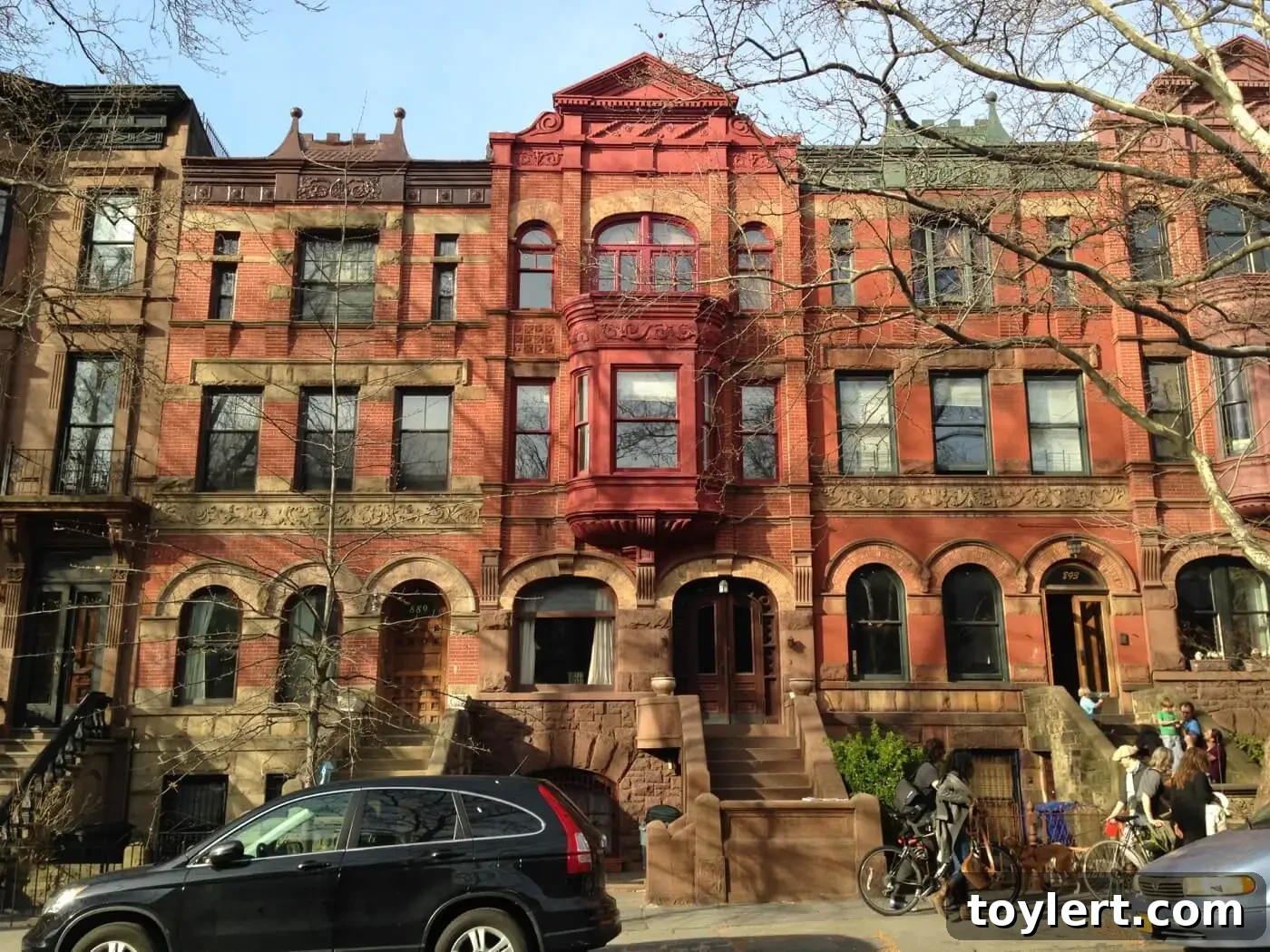
Navigating Your Historic Home: Essential Guidelines for Landmarked Properties
Owning a landmarked property is a unique privilege, connecting you directly to the rich history and architectural heritage of your community. However, this distinction comes with a special responsibility: preserving the original character and integrity of the building. Before you pick up that paintbrush or consider replacing those charming old windows, it’s crucial to understand the specific regulations that govern changes to historic homes.
The first and most important step for any homeowner of a landmarked property is to halt any plans for exterior alterations until you’ve consulted with your local preservation authority. In many areas, this body is known as the Landmarks Preservation Commission (LPC). While the idea of external oversight might seem daunting, remember that these guidelines are in place to protect the very qualities that make your home, and your neighborhood, so special. The good news? Routine repairs that don’t change the building’s appearance typically do not require approval. But how do you know where to draw the line?
To assist homeowners in this endeavor, preservation commissions often publish comprehensive guides designed to demystify the process of repairing, restoring, and renovating historic buildings. These resources are invaluable for navigating the sometimes complex world of preservation regulations. They offer clear directives, practical advice, and insights into how to maintain your property while adhering to the highest standards of historical accuracy and architectural integrity.
What Does “Landmarked” Truly Mean for Your Home?
When a property is “landmarked,” it signifies that it has been designated by a local government entity, such as the Landmarks Preservation Commission, as having significant historical, cultural, or architectural value. This designation isn’t just a label; it imposes certain restrictions on what can be done to the exterior of the building. The goal is to protect and preserve the features that contribute to its landmark status for future generations.
There are generally two types of landmark designations: individual landmarks and properties within historic districts. An individual landmark is a specific building, site, or structure that has its own unique designation. A historic district, on the other hand, is a geographically defined area comprising multiple properties that collectively possess a historical or architectural significance. If your home falls within a historic district, even if it’s not individually landmarked, it will still be subject to the district’s specific guidelines and the oversight of the preservation commission. Understanding which type of designation applies to your property is the foundation for all future planning.
The Essential Role of the Landmarks Preservation Commission (LPC)
The Landmarks Preservation Commission (LPC) is the municipal agency tasked with protecting the city’s architecturally, historically, and culturally significant buildings and sites. Their mission extends to regulating changes to landmarked properties and those within historic districts to ensure that their distinctive character is maintained. Far from being an obstacle, the LPC serves as a resource, providing expertise and guidance to homeowners. They are responsible for reviewing proposed alterations, approving permits, and enforcing preservation laws.
The commission’s work is critical in safeguarding the unique aesthetic and historical narrative of a place. Without such oversight, irreplaceable architectural details and the overall charm of historic neighborhoods could be eroded by unsympathetic renovations. Therefore, viewing the LPC not as a barrier, but as a partner in preserving your home’s legacy, can greatly simplify the process of undertaking any work.
Before You Begin: Understanding What Requires Approval
The golden rule for any owner of a landmarked property is to assume that most exterior changes will require some form of review and approval from the LPC. This proactive approach can save significant time, money, and potential legal issues down the line. Even seemingly minor alterations can fall under the commission’s purview if they impact the visual integrity of the building. Here’s a general overview of common changes that typically need approval:
- Window Replacement: This is one of the most common areas of concern. Original windows are often critical to a building’s historic character. Replacing them with modern, non-matching alternatives usually requires approval.
- Door Alterations: Changing the style, material, or even the paint color of an exterior door can be subject to review.
- Facade Work: Any alterations to the building’s front facade, including masonry repairs, cleaning, repainting (if the existing color is historically significant), or stucco application.
- Additions and Expansions: Naturally, any new construction, whether it’s an extension, a rooftop addition, or even a new porch, will require rigorous review.
- Roofing: Changes in roofing material, color, or the addition of skylights or solar panels.
- Exterior Mechanicals: Installation of air conditioning units, vents, or other visible mechanical systems.
- Demolition: Even partial demolition, such as removing an old fence or shed, may need approval.
- New Signage or Lighting: For commercial properties or mixed-use buildings.
It’s always better to inquire first rather than proceed without approval and face a stop-work order or be forced to reverse costly changes.
Distinguishing Routine Repairs from Appearance-Altering Changes
As mentioned, routine maintenance and repairs generally do not require LPC approval, provided they do not alter the appearance of the building. This distinction is vital for homeowners. So, what constitutes a “routine repair” in the context of a landmarked property?
- Like-for-Like Replacements: If you are replacing a broken window pane with an identical one, or repairing a damaged piece of siding with the same material and finish, this usually falls under routine repair.
- Repainting with Approved Colors: If your building’s existing paint color has been historically established and approved, repainting with the same color typically doesn’t need new approval.
- Minor Mortar Repair: Repointing brickwork with mortar that matches the original in color, texture, and joint profile is often considered routine.
- Gutter and Downspout Repair: Fixing or replacing these elements with visually identical components.
- Landscaping: Planting flowers, shrubs, or small trees that don’t obscure architectural features or significantly alter the property’s overall appearance.
However, even these seemingly simple tasks can cross the line into requiring approval if they involve a change in material, color, design, or if they affect a significant architectural feature. For instance, replacing wood windows with vinyl, changing a brick facade to stucco, or installing a brightly colored door on a historically subdued facade would almost certainly require a permit. When in doubt, always err on the side of caution and consult the LPC’s guidelines or contact their office directly.
Navigating the Approval Process: A Step-by-Step Guide
The LPC approval process, while detailed, is designed to be manageable. Understanding the general steps can alleviate much of the anxiety associated with it:
- Initial Research: Begin by thoroughly reviewing the LPC’s official guide for homeowners. This 31-page guide (or similar local equivalent) is your primary resource, outlining specific regulations, acceptable materials, and design standards. Explore their website for additional resources, application forms, and contact information.
- Determine the Type of Application: The LPC typically has different application categories based on the scope of work:
- Certificate of No Effect (CNE): For minor work that has no effect on the architectural features.
- Permit for Minor Work (PMW): For small-scale alterations that meet specific criteria and design guidelines.
- Certificate of Appropriateness (COA): For more substantial alterations, additions, or demolitions that require a formal review and public hearing (if deemed necessary).
Knowing which category your project falls into will guide the subsequent steps.
- Prepare Your Application: This is a critical phase. You will need to submit detailed documentation, which often includes:
- Current photographs of the existing condition.
- Detailed architectural plans and drawings (existing and proposed).
- Material samples or specifications (e.g., paint chips, window brochures, masonry samples).
- A narrative description of the proposed work and its justification.
The more comprehensive and accurate your submission, the smoother the review process.
- Consultation and Review: For more complex projects, consider scheduling a pre-application meeting with LPC staff. They can provide valuable feedback and help you refine your plans before formal submission. Once submitted, your application will be reviewed by staff architects and historians.
- Public Hearing (if required): For certain COA applications, a public hearing might be scheduled, allowing community members to offer comments. Your presence and ability to explain your project clearly are important here.
- Decision and Permit Issuance: Upon approval, the LPC will issue a permit. This permit is usually required before you can obtain any other building permits from your local Department of Buildings.
Working with an architect or contractor experienced with landmarked properties can be immensely beneficial, as they are often familiar with the LPC’s requirements and can help navigate the complexities of documentation and submission.
Preserving Key Architectural Features: Windows, Doors, and Facades
The LPC’s guidelines often place particular emphasis on certain architectural features that are central to a building’s historic character:
- Windows: Original windows are frequently irreplaceable. The LPC typically advocates for repairing rather than replacing them. If replacement is necessary, new windows must closely match the original in material (often wood), design, pane configuration, and method of operation. Energy efficiency upgrades are often possible through methods like secondary glazing or weatherstripping, without sacrificing historic integrity.
- Doors: Entry doors are a focal point. Changes to their design, material, or even hardware can significantly impact the facade. The goal is to retain original doors or replace them with historically appropriate replicas.
- Facades (Masonry & Details): Maintaining the original masonry, whether brick, stone, or terra cotta, is paramount. This includes proper cleaning techniques (avoiding abrasive methods), appropriate repointing with historically matching mortar, and preserving decorative elements like cornices, lintels, and sills. Any painting of historically unpainted masonry is usually prohibited.
- Rooflines and Materials: The shape and materials of a roof contribute to a building’s overall silhouette. Changes to roof pitch, the addition of dormers, or the use of inappropriate roofing materials (e.g., modern asphalt shingles on a slate roof) are typically restricted.
The Benefits Beyond Restrictions: Why Landmark Status is a Treasure
While the regulations might seem restrictive at first glance, owning a landmarked property comes with significant advantages. These homes are often highly sought after due to their unique character, superior craftsmanship, and prime locations within desirable, well-preserved neighborhoods. Landmark status:
- Protects Neighborhood Character: Ensures that the architectural integrity and charm of your community are maintained, preventing haphazard development.
- Enhances Property Value: Often, properties in historic districts or individual landmarks maintain or increase their value over time due to their uniqueness and protected status.
- Fosters Community Pride: Contributes to a strong sense of place and historical continuity, which residents often cherish.
- Potential for Incentives: In some jurisdictions, owners of landmarked properties may be eligible for tax credits, grants, or other financial incentives for approved preservation work.
Avoiding Common Pitfalls in Landmarked Property Renovation
To ensure a smooth renovation process, be aware of these common mistakes:
- Starting Work Without Approval: This is the most serious error. It can lead to stop-work orders, fines, and the requirement to reverse unapproved changes at your own expense.
- Not Reading the Guidelines Thoroughly: Relying on hearsay or assumptions about what’s allowed can lead to costly mistakes. The official guide is your best friend.
- Using Inappropriate Materials: Opting for cheaper, modern materials that don’t match the historic aesthetic (e.g., vinyl windows instead of wood, synthetic siding instead of original clapboard).
- Poorly Documented Applications: Incomplete or unclear submissions will delay the approval process. Invest time in preparing a comprehensive application.
- Ignoring Professional Advice: Architects and contractors specializing in historic preservation can be invaluable. Their expertise can help you navigate regulations and ensure historically sensitive solutions.
Beyond the Guide: Continued Engagement and Resources
The 31-page guide published by the Landmarks Preservation Commission is an indispensable starting point, offering a wealth of information to help homeowners repair, restore, and renovate their buildings while navigating the LPC’s requirements. It distills complex regulations into actionable advice and showcases best practices for preserving architectural features.
However, the journey of owning and maintaining a landmarked property is an ongoing one. Stay engaged with your local preservation community, attend workshops, and consider joining homeowner associations in historic districts. These resources can provide continuous support, shared experiences, and updated information. The goal is not just to comply with regulations, but to embrace the role of a steward for a piece of living history, ensuring its beauty and story endure for generations to come.
For detailed information and to access the full guidelines, please refer to the official resources provided by your local Landmarks Preservation Commission.