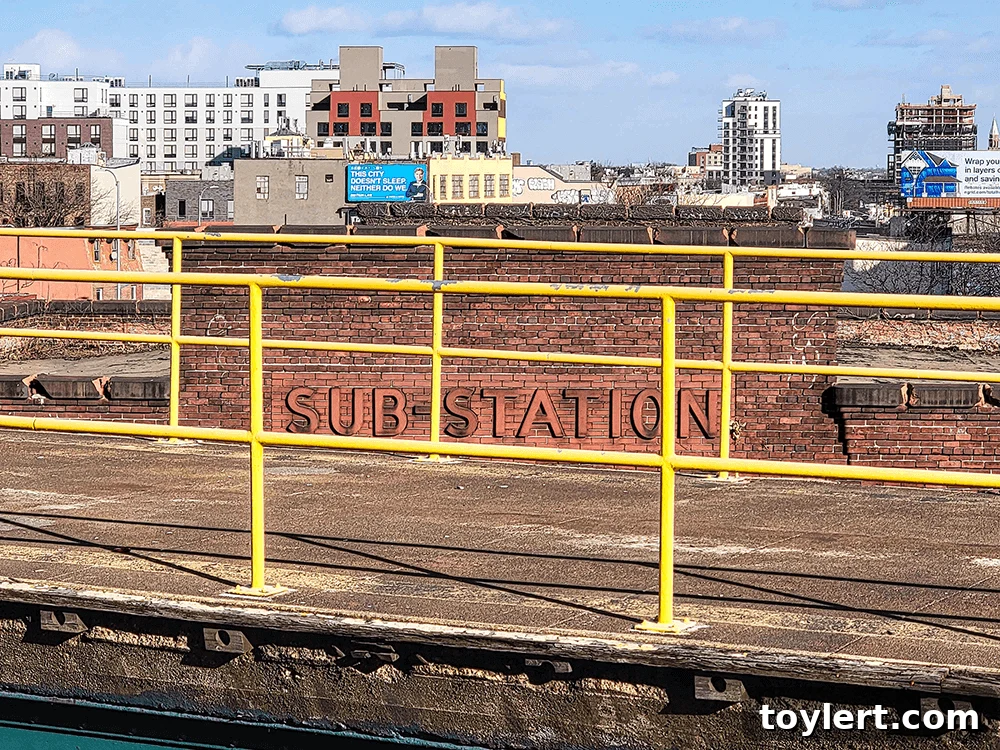
Preserving East New York’s Heritage: The Campaign to Revitalize LIRR Substation No. 2
In the vibrant heart of East New York, Brooklyn, a silent sentinel of the past stands as a powerful symbol of community resilience and the enduring spirit of historic preservation. LIRR Substation No. 2, an architectural relic from the dawn of the 20th century, has long faced the threat of neglect and obscurity. However, thanks to the passionate efforts of local activists and community groups, this forgotten landmark is being brought back into the spotlight, reminding us all of the importance of safeguarding our shared heritage.
A recent heartwarming initiative, spearheaded by Preserving East New York (PENY) and its dedicated partners, exemplifies this commitment. On March 18, a unique “heart bombing” event transformed advocacy into an act of affection, uniting neighbors in a creative endeavor to raise awareness about the substation’s plight. This was more than just a gathering; it was a testament to how local history can inspire collective action and foster a deeper connection to the places we call home.
A Glimpse into the Past: LIRR Substation No. 2’s Pivotal Role
Located at 2 Snediker Avenue, the striking red brick building of LIRR Substation No. 2 is not merely an old structure; it is a tangible link to a pivotal moment in New York City’s infrastructure history. Completed between 1904 and 1905, this substation was a crucial component of the Long Island Railroad’s ambitious electrification project. Its grand opening coincided with the July 1905 launch of electric train service, a technological marvel that profoundly transformed public transportation and urban development across Long Island and Brooklyn.
Pioneering the Electric Era
At the turn of the 20th century, the Long Island Railroad embarked on a massive modernization effort, converting its steam-powered lines to electric operation. This was a monumental undertaking, requiring significant investment in new infrastructure, including power plants, overhead lines, and a series of substations. Substation No. 2 was one of five such substations strategically constructed between 1904 and 1905 to convert high-voltage alternating current into the direct current needed to power the new electric trains. These facilities were the unsung heroes of the electrified railway, enabling faster, cleaner, and more efficient travel for millions of commuters.
The substation at 2 Snediker Avenue, along with another significant structure at 1020 Atlantic Avenue in Brooklyn, played an indispensable role in this transformative period. These buildings were at the forefront of electrical engineering, representing the cutting edge of industrial design and functionality of their time. They were robust, utilitarian, yet often possessed a distinct architectural character that speaks to the era’s pride in its civic and industrial achievements. Today, Substation No. 2 stands as a silent testament to East New York’s deep connection to this critical historical development, a powerful reminder of the ingenuity and progress that shaped the borough.
Preserving East New York (PENY): Advocates for Architectural Treasures
Leading the charge to ensure that structures like LIRR Substation No. 2 are not forgotten is Preserving East New York (PENY). This dynamic organization is dedicated to celebrating, documenting, and protecting the rich architectural and cultural heritage of East New York. PENY believes that preserving historic buildings is not just about aesthetics; it’s about maintaining community identity, fostering a sense of place, and providing tangible links to the stories that have shaped generations.
PENY has a proven track record of effective and engaging advocacy. Their previous “heart bombing” event for the Empire State Dairy served as a powerful precedent, demonstrating their innovative approach to rallying community support. These “heart bombing” events transform the often-somber work of preservation into a joyous and collective expression of love for neglected landmarks. By infusing creativity and positivity into their campaigns, PENY successfully draws attention to at-risk sites and encourages broader public engagement.
A Day of Affection: The March 18th Heart Bombing Event
The March 18th event for LIRR Substation No. 2 perfectly encapsulated PENY’s unique philosophy. Described as a “light-hearted” gathering, it brought together a diverse group of local activists, history enthusiasts, and engaged residents. The day began with a communal activity focused on creating paper hearts and heartfelt love letters addressed to the substation itself. This hands-on, artistic endeavor allowed participants to channel their affection and concern into tangible messages, transforming abstract preservation goals into personal expressions of care.
Following the creative session, the event transitioned into an open forum for community conversation. This segment was crucial for fostering dialogue, sharing memories, discussing the substation’s historical significance, and brainstorming future possibilities for its adaptive reuse. Such conversations are vital for building consensus, empowering residents, and ensuring that preservation efforts are deeply rooted in the needs and aspirations of the local community. The shared experience cultivated a sense of solidarity and purpose among attendees.
The culmination of the event was a collective walk to the substation. Participants proudly carried their handcrafted signs of affection, adorning the neglected building with their hearts and letters. This symbolic act was a powerful visual statement: a clear declaration that LIRR Substation No. 2, despite its current state of emptiness, is cherished by the community. It served as a moving demonstration of grassroots activism, showcasing how ordinary citizens can collectively reclaim their history and advocate for the future of their neighborhood’s architectural treasures.
United for East New York: A Coalition of Community Power
The success of the March 18th event was amplified by the invaluable collaboration of a diverse array of local partners. Preserving East New York was joined by prominent community organizations, each bringing unique strengths and perspectives to the collective effort. These partners included the Coalition for Community Advancement, East Brooklyn Mutual Aid, East New York Archives, East New York Community Land Trust, Grow Brownsville, and Universe City.
This powerful coalition underscores a fundamental truth about historic preservation: it thrives on interdisciplinary cooperation. The East New York Archives, for instance, provides critical historical context and documentation, while the East New York Community Land Trust offers models for community-led development and ownership. Organizations like East Brooklyn Mutual Aid and Grow Brownsville highlight the interconnectedness of historic preservation with broader issues of social welfare, equitable development, and local empowerment. This collaborative spirit ensures that the campaign for Substation No. 2 is not an isolated effort, but an integral part of a larger movement to uplift and strengthen the entire East New York community.
Beyond Bricks and Mortar: The Broader Importance of Preservation in East New York
The fight to preserve LIRR Substation No. 2 is about more than just a single building; it’s about the very soul of East New York. This neighborhood, rich in history and cultural diversity, faces ongoing challenges related to urban development and gentrification. Historic buildings serve as vital anchors, connecting current residents to their past and providing a unique sense of place amidst rapid change. When these landmarks are lost, a part of the community’s story is erased, diminishing its character and potentially displacing its long-term residents.
Preserving structures like Substation No. 2 offers immense opportunities for adaptive reuse, transforming neglected spaces into vibrant community assets. Imagine the substation as a new cultural center, a vocational training hub, an exhibition space showcasing local history, or even affordable creative studios. Such transformations not only save historic fabric but also create economic opportunities, foster local pride, and provide much-needed resources for the neighborhood. It’s a testament to the belief that old buildings don’t have to be demolished; they can be reimagined to serve new generations.
A Call to Action: Safeguarding East New York’s Future
The “heart bombing” event for LIRR Substation No. 2 was a powerful starting point, but the journey to full preservation and revitalization is an ongoing one. The passionate efforts of Preserving East New York and its partners serve as an inspiring call to action for everyone who values local history and community empowerment. Continued advocacy is essential, pushing for official landmark designation that would provide crucial protections for the substation.
Residents and supporters can contribute in numerous ways: by joining PENY, attending future events, spreading awareness through social media, or simply taking the time to learn about East New York’s incredible heritage. Each act of engagement, big or small, reinforces the message that historic buildings are not expendable relics but invaluable components of our urban fabric. By coming together, the community can ensure that LIRR Substation No. 2, and other significant sites in East New York, will not only be preserved for future generations but will also play an active and positive role in the neighborhood’s ongoing story.
The future of East New York’s heritage lies in the hands of its community. Through collective action, creativity, and unwavering dedication, the empty and neglected LIRR Substation No. 2 can transcend its current state to become a thriving symbol of what is possible when a community truly loves its history.