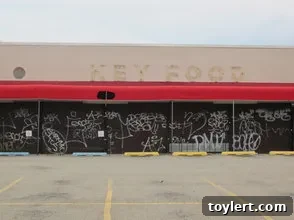
Windsor Terrace Rises Up: The Fierce Battle for a Full-Service Grocery Store Against Walgreens
The tight-knit community of Windsor Terrace, nestled in the heart of Brooklyn, finds itself embroiled in a passionate and persistent struggle to safeguard its fundamental access to fresh, nutritious food. This deeply personal fight has ignited a neighborhood-wide movement, uniting residents in fervent opposition to the planned establishment of a Walgreens pharmacy in a space that once served as the cornerstone of their daily lives: the neighborhood’s sole full-service grocery store, Key Food. What might appear on the surface as a routine change of commercial tenancy has, in fact, catalyzed a profound debate about essential urban services, the growing threat of food deserts, and the very identity of a vibrant residential community. Residents are not merely resisting a corporate giant; they are steadfastly advocating for their quality of life, their health, and the future character of their cherished Brooklyn enclave.
For several months, the voices of Windsor Terrace residents have resonated clearly and loudly, articulating deep-seated concerns and unequivocal opposition to a development they perceive as profoundly detrimental to their collective well-being. The abrupt and widely lamented departure of Key Food created an immediate and significant void, effectively severing Windsor Terrace’s vital lifeline for fresh produce, quality meats, artisanal baked goods, and countless other daily necessities that underpin healthy living. Now, the looming prospect of a Walgreens occupying that critical space, offering only what it vaguely terms “expanded food offerings” – offerings that demonstrably fall far short of the comprehensive selection provided by a true grocery store – has galvanized the community into an inspiring display of collective action. Their message is unequivocal and direct: Windsor Terrace doesn’t merely want a pharmacy; it urgently needs and demands a grocery store.
The Irreplaceable Role of Key Food: More Than Just a Store
The closure of Key Food was far from a simple business transaction; it represented the unraveling of a crucial community pillar that had supported generations of Windsor Terrace families. For countless decades, Key Food stood as the indispensable primary source of groceries for hundreds of diverse households, from bustling young families to long-time senior residents and individuals living independently. Its well-stocked aisles were a testament to its comprehensive offerings, featuring everything from freshly caught fish and premium quality meats to a robust, full-service bakery and a wide array of organic produce, meticulously curated to cater to the varied culinary and dietary needs of the entire neighborhood.
Crucially, Key Food transcended its functional role as a retail establishment. It cultivated and fostered a genuine sense of community, serving as an organic meeting point where neighbors would spontaneously encounter one another, exchange pleasantries, share local news, and deepen their everyday connections. The sudden and unannounced nature of its closure, as extensively documented by various reports and discussions on Brownstoner, sent immediate and widespread shockwaves throughout the area, leaving a lingering sense of uncertainty and anxiety among many residents who were left scrambling to find alternative sources for their essential foodstuffs.
The unique geographical context of Windsor Terrace further amplified Key Food’s profound importance. For a significant portion of the population, particularly those without personal vehicles or with limited mobility, the store was conveniently situated within easy walking distance, making routine and spontaneous shopping trips both feasible and accessible. Its current absence has created considerable hardship, translating into longer travel times, increased reliance on often-inconvenient public transportation or expensive ride-sharing services, and the arduous physical task of transporting heavy bags of groceries over significantly greater distances. This burden is felt most acutely by vulnerable demographics such as the elderly, single-parent households navigating tight schedules, and low-income families, for whom convenience and proximity are not merely desirable amenities but absolute necessities for maintaining daily life and well-being. The void left by Key Food is therefore not just a commercial gap; it is a deeply impactful social, economic, and logistical challenge for the entire community.
“Green Beans Not Walgreens”: A United Front for Food Access
In the face of the imminent threat of becoming a food desert, the resilient residents of Windsor Terrace wasted no time in mobilizing their collective strength. They swiftly launched the formidable grassroots campaign, Green Beans Not Walgreens. This evocative and direct initiative quickly blossomed into the rallying cry for the entire neighborhood, articulating a clear, concise, and compelling vision for the future of the former Key Food site. The campaign’s dedicated website serves as a central informational hub and organizational platform, boldly outlining the community’s unwavering position and the urgent rationale behind their protest.
The core of the Green Beans Not Walgreens argument centers on the stark disparity between Walgreens’ public pronouncements and the actual reality of their proposed offerings. While Walgreens vaguely references “expanded food offerings,” the community has meticulously highlighted that the blueprint for their planned store conspicuously omits crucial departments that define a true grocery experience. These glaring omissions include essential sections such as fresh meats, a dedicated fish counter, a full-service bakery offering daily fresh goods, and numerous other staple items that residents have traditionally relied upon from a comprehensive grocery store. The campaign’s analysis reveals a troubling statistic: a mere fraction – less than one-third – of the relatively modest store footprint would actually be allocated to food items. This effectively transforms what was once a robust, full-service market into little more than a convenience store appended with pharmacy services, a far cry from the community’s vital needs. This stark contrast underscores a fundamental misalignment between corporate retail strategies driven by profit margins and the genuine, everyday nutritional requirements of a vibrant residential neighborhood. The potential outcome, as accurately described by the community, is the creation of a profound “food desert,” where access to affordable, varied, and nutritious food becomes severely limited or practically non-existent.
The Power of the Petition and the Challenge of Corporate Indifference
The community’s demands have been articulated with remarkable clarity, consistency, and a unified voice. They have presented Walgreens with a direct ultimatum: either honor the community’s needs by terminating its lease on the property, thereby allowing a genuine grocery store to move in, or commit unequivocally to establishing a full-service grocery operation within the existing space that genuinely fulfills the comprehensive requirements of the neighborhood. These earnest and reasonable demands, however, have regrettably been met with a disappointing and unwavering lack of responsiveness from the mega-chain. Walgreens has, to date, consistently rejected the residents’ heartfelt appeals, a stance that strongly signals a prioritization of its standardized business model and corporate expansion strategy over the specific and crucial welfare of the local community it seeks to enter.
This perceived corporate indifference and inflexibility have, ironically, only served to steel the resolve and galvanize the determination of Windsor Terrace residents. In a powerful demonstration of collective agency, more than 1,000 individuals have already affixed their names to a compelling online petition hosted on Change.org. This petition serves as an unequivocal plea, directly urging Walgreens to “Don’t turn Windsor Terrace into a food desert.” The sheer volume of these signatures represents a truly significant outpouring of community sentiment, powerfully demonstrating the widespread, deeply felt concern and unified opposition that spans across all demographics and age groups within the neighborhood. Each individual signature is far more than just a name on a digital list; it stands as a personal testament to a resident’s unwavering commitment to actively fighting for their fundamental right to accessible, essential services and to shaping the future of their community.
Understanding the Critical Concept of a Food Desert
The term “food desert” lies at the very heart of the Windsor Terrace struggle, serving as a critical descriptive framework for urban areas where residents face severely limited access to affordable, diverse, and nutritious food options. This scarcity is predominantly caused by the absence of full-service grocery stores within a convenient and reasonable traveling distance, often leaving residents with few viable alternatives. These underserved areas are characteristically marked by an overwhelming prevalence of fast-food restaurants, convenience stores, and smaller bodegas, which, while offering immediate sustenance, primarily stock highly processed, calorie-dense foods that are notoriously lacking in essential fresh produce, lean proteins, and nutrient-rich whole grains. The long-term implications of residing within a food desert are profound and far-reaching, contributing significantly to elevated rates of obesity, type 2 diabetes, heart disease, and a myriad of other diet-related chronic health issues among the affected populations.
For Windsor Terrace, the proposed transformation of the former Key Food site into a mere pharmacy carries the very real risk of actively creating or, at the very least, severely exacerbating an existing food desert condition. While there may be smaller independent bodegas or specialty shops scattered throughout the neighborhood, none possess the comprehensive selection, the economies of scale, or the competitive pricing that define a genuine full-service grocery store. This dire situation compels residents to undertake arduous and often costly journeys to distant supermarkets, thereby increasing their transportation expenses and significantly extending their valuable time burdens. Alternatively, it forces them to reluctantly rely on the less healthy, more expensive, and nutritionally inadequate options that remain available closer to home. The fight currently unfolding in Windsor Terrace is, therefore, far more than a localized dispute over a single retail space; it is a profound battle for public health, for equitable access to fundamental resources, and for the long-term sustainability and vitality of a thriving urban community.
Broader Implications: Local Autonomy vs. Corporate Expansion
The compelling conflict currently gripping Windsor Terrace serves as a powerful microcosm, echoing similar grassroots struggles observed in urban neighborhoods across the country and, indeed, around the globe. In these scenarios, the vital needs of local businesses and the deeply embedded requirements of specific communities frequently find themselves at odds with the often-unyielding expansion strategies of large, national, or multinational corporate chains. This inherent dynamic raises a host of critical questions concerning local zoning regulations, the true extent of community input and influence in significant development decisions, and the ethical responsibilities that corporations bear to act as genuine, beneficial neighbors within the communities they enter. While economic development is routinely framed as an unequivocally positive force, residents in Windsor Terrace and similar locales passionately argue that such development must be thoughtfully aligned with, and actively support, the existing character and intrinsic needs of a neighborhood, rather than inadvertently undermining or eroding them.
The “Green Beans Not Walgreens” movement stands as a potent and inspiring reminder that urban communities are not, and should not be, passive recipients of external development decisions. They inherently possess a collective voice, a powerful capacity to organize, and an unwavering ability to advocate fiercely for their own best interests and future well-being. This ongoing battle is profoundly about more than just convenient access to groceries; it fundamentally concerns the inherent right of a community to define its own trajectory, to preserve its essential fabric, and to ensure that crucial, life-sustaining services are unequivocally prioritized over purely commercial expansion driven by profit motives. It is a powerful testament to the enduring strength and transformative power of local activism in the face of formidable corporate pressure.
Upcoming Events: A Continued Call to Action
The resolute residents of Windsor Terrace are demonstrating an unwavering commitment to their cause, showing no signs of backing down from this pivotal struggle. The “Green Beans Not Walgreens” movement is actively intensifying its efforts, with concrete plans in place for further direct action and sustained advocacy. A critically important community meeting has been strategically scheduled for Monday, July 30th. During this vital gathering, residents will convene to rigorously discuss campaign strategies, share their ongoing concerns, and collectively reinforce their unified resolve to push forward. Such meetings are indispensable for fostering robust community cohesion, solidifying shared goals, and meticulously planning the crucial next steps in their dynamic campaign.
Following this strategic meeting, a highly impactful public rally is meticulously planned for August 1st, slated to take place directly outside the physical location of the former Key Food site. This forthcoming public demonstration will serve as a highly visible and vociferous expression of the community’s unwavering opposition, projecting a clear and unambiguous message to both Walgreens and local governmental authorities alike. The message is simple yet powerful: Windsor Terrace will continue its relentless fight for the timely return of a comprehensive, full-service grocery store to its rightful place within the neighborhood. These meticulously planned events are not merely entries on a calendar; they stand as profound symbols of a community’s enduring spirit, its collective resilience, and its unwavering determination to actively shape its own destiny and secure its fundamental rights.
The ongoing struggle in Windsor Terrace stands as a compelling and inspiring example of localized empowerment in dynamic action. As its residents continue their fervent advocacy for “Green Beans Not Walgreens,” their concerted efforts brilliantly illuminate the critical and often-underestimated importance of accessible, affordable, and nutritious food within dense urban environments. Furthermore, their collective action powerfully showcases the transformative potential of a united community to effectively challenge and influence significant corporate decisions. The watchful eyes of Brooklyn, and indeed many other urban communities grappling with similar issues, are keenly focused on Windsor Terrace as this pivotal battle for essential services continues to unfold – a fight that resonates with profound implications far beyond the confines of this single, determined neighborhood.
Photo via Green Beans Not Walgreens