Brooklyn’s Enduring Spirit: Navigating Change and Recovery Post-Hurricane Sandy
Brooklyn, a borough renowned for its vibrant communities and thriving local businesses, constantly experiences a cycle of change—new establishments opening, beloved spots evolving, and some, regrettably, closing their doors. This dynamic landscape was profoundly tested by Hurricane Sandy, an event that reshaped countless lives and livelihoods. Weeks and months following the storm revealed the true measure of resilience within Brooklyn’s diverse neighborhoods, from Dumbo’s waterfront to the iconic shores of Coney Island and the bustling streets of North Brooklyn.
The Lingering Shadow of Hurricane Sandy: A Tale of Loss and Resilience
Hurricane Sandy delivered a devastating blow to many coastal communities in Brooklyn, leaving a trail of destruction that varied from temporary setbacks to insurmountable challenges for local enterprises. The sheer force of the storm, with its unprecedented storm surge, inundated countless basements, ground floors, and vital infrastructure, presenting a formidable obstacle to recovery.
A Heartbreaking Farewell: The Governor Restaurant in Dumbo
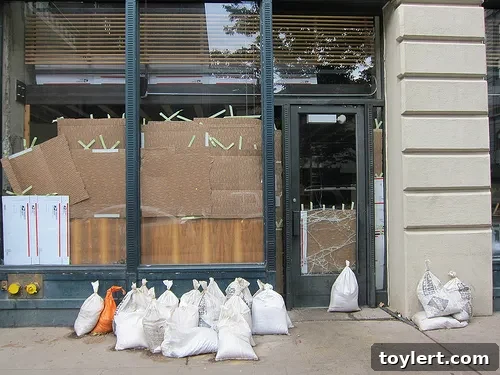
Among the saddest news emerging from the post-Sandy recovery efforts was the permanent closure of the Governor restaurant in Dumbo. Situated in a rapidly developing and culturally significant neighborhood, the Governor had been a promising, albeit fledgling, addition to Dumbo’s culinary scene. The restaurant issued a poignant statement detailing the extent of the catastrophe: “We assessed the destruction at Governor caused by five feet of water, and we were determined to rebuild our fledgling restaurant. But despite our commitment and the subsequent and remarkable outpouring of support in all forms—from individuals, the restaurant industry and the community, we have, regrettably, been forced to accept that the scope and scale of repairing the damage to our restaurant is beyond our means financially.” This statement encapsulates the harsh reality faced by many small businesses: even with immense community backing, the financial burden of extensive storm damage can simply be too great to overcome. The loss of Governor was not just the loss of a restaurant, but a blow to the vibrant tapestry of local businesses that define Dumbo’s unique charm, a testament to the profound economic ripple effects of such a natural disaster. The post-Sandy image above, captured by Scoboco, vividly illustrates the conditions many establishments faced.
Coney Island’s Iconic Rebirth: Nathan’s Famous Hotdogs
Further south, the legendary Coney Island, a symbol of New York City’s resilience and entertainment, also bore the brunt of Sandy’s fury. Reports from the time depicted a very sad scene of extensive demolition underway at Nathan’s Famous Hotdogs, a culinary institution dating back to 1916. For generations, Nathan’s has been an integral part of the Coney Island experience, its bright lights and classic hotdogs synonymous with summer fun and tradition. The scale of the damage necessitated a complete overhaul, with photographs like the one published by Village Voice showcasing the extent of the wreckage. Despite the significant structural damage and the arduous task of rebuilding, the commitment to reopen was unwavering, offering a beacon of hope for the entire community. Nathan’s pledged to reopen its doors in the spring, a powerful declaration that Coney Island would not just recover, but roar back to life, continuing its legacy as a destination for joy and classic American fare. This highly anticipated return signaled a crucial step forward for the economic and cultural revival of the entire boardwalk area.
Another Loss on Surf Avenue: The Closure of Cha Cha’s
Also on Coney Island’s iconic Surf Avenue, another casualty of the storm’s aftermath was announced: the closure of Cha Cha’s. As reported by Amusing the Zillion, the reasons for its closure, though not explicitly stated as solely Sandy-related, were strongly linked to the hurricane’s debilitating impact. The article noted, “Given the challenges faced by businesses in their rebuilding efforts, we’d have to guess that Sandy is responsible for shuttering this Coney Island mainstay, which had survived the death of its manager “JT” and eviction by Zamperla.” This makes the closure of Cha Cha’s particularly poignant, highlighting how a business that had previously weathered significant personal and corporate challenges finally succumbed to the overwhelming scale of a natural disaster. Its disappearance from Surf Avenue marked another loss for Coney Island’s unique, eclectic character, reminding us that even the most resilient local spots have their limits when facing such monumental adversity.
Beacons of Hope: Stumptown and Fairway Lead the Comeback
Amidst the somber news, there were also significant victories and signs of tenacious recovery. In Red Hook, a neighborhood particularly hard-hit by flooding, Stumptown’s Roastery triumphantly announced its return to full operation. Stumptown Coffee Roasters is not just a business; it’s a prominent fixture in Red Hook, known for its high-quality coffee and a significant employer in the area. Its reopening was a vital shot in the arm for the local economy and morale, symbolizing that even deeply affected industrial zones could and would rebuild. Similarly, the confirmation that Fairway Market would reopen its doors on March 1st was met with widespread relief. Fairway is more than just a grocery store; it’s a community hub, providing essential food supplies and a crucial point of connection for residents. Its return underscored the determined efforts to restore vital services and infrastructure, signaling a tangible step towards normalcy for countless Brooklynites. These reopenings served as powerful reminders that, despite the immense challenges, the spirit of Brooklyn’s business community remained unbroken, driven by a deep commitment to their neighborhoods and customers.
North Brooklyn’s Evolving Landscape: Shifts and New Flavors
Beyond the direct impacts of Hurricane Sandy, other parts of Brooklyn continued their ongoing evolution, marked by relocations and new culinary ventures that reflect the borough’s constant state of flux and growth.
Karkula’s Journey: From Tribeca to Williamsburg
A notable shift in the retail landscape saw Tribeca home furnishing store Karkula pack up its long-standing downtown Manhattan shop and make a significant move across the East River to Williamsburg. The new address, 98 South 4th Street, nestled between Bedford and Berry avenues, places Karkula squarely in one of Brooklyn’s most dynamic and trend-setting neighborhoods. This relocation speaks volumes about the shifting demographics and commercial appeal of various New York City districts. Williamsburg, with its burgeoning residential population, artistic community, and ever-growing array of boutiques and eateries, clearly presented an attractive new chapter for Karkula. The move suggests a strategic alignment with a new customer base, recognizing Williamsburg’s status as a hub for design-conscious residents and a destination for unique home goods. Such relocations are common in a city where commercial rents and neighborhood identities are constantly evolving, highlighting the fluid nature of urban retail.
A Fresh Addition: Eagle Trading Company in Greenpoint
Meanwhile, the vibrant Greenpoint community welcomed a new culinary establishment, the Eagle Trading Company. Early reviews from local blog Greenpointers were overwhelmingly positive, indicating a promising start for the new cafe. Greenpoint, like its neighbor Williamsburg, has experienced significant growth and gentrification, leading to an explosion of new cafes, restaurants, and bars that cater to its expanding and diverse population. A positive review for a new cafe is crucial in such a competitive market, signaling that Eagle Trading Company successfully captured the local palate and atmosphere. New cafes often become vital community spaces, offering more than just coffee but also a place for work, social gatherings, and a sense of belonging. The success of such new ventures is a testament to the ongoing vitality and economic optimism present in Brooklyn’s northern neighborhoods.
Brooklyn’s Ever-Unfolding Story of Resilience and Evolution
From the deep scars left by Hurricane Sandy in its coastal areas to the continuous commercial evolution of its inland neighborhoods, Brooklyn remains a borough defined by its incredible resilience and constant transformation. The stories of closure, arduous rebuilding, strategic relocation, and exciting new beginnings paint a vivid picture of a community that faces adversity head-on, adapts to change, and consistently finds ways to thrive. Whether it’s the heartbreaking farewell to a Dumbo restaurant, the triumphant return of Coney Island’s beloved icons, or the strategic moves of businesses seeking new opportunities in North Brooklyn, each narrative contributes to the rich, complex, and inspiring tapestry of New York City’s most dynamic borough. Brooklyn’s journey is a powerful reminder of the enduring human spirit and the unwavering commitment to community that defines this remarkable place.