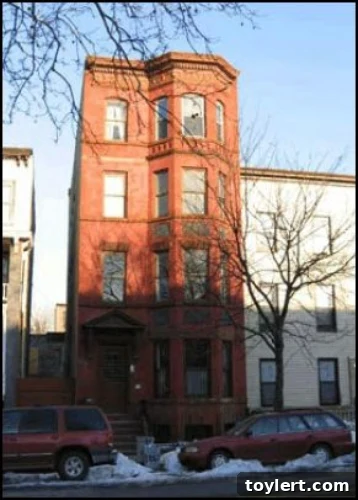
93 Clermont Avenue: Unveiling the Story of a Brooklyn Tenement
Brooklyn is a borough rich with history, where every street corner and every brick tells a unique story. In this spirit, we embark on a journey to explore the architectural and social tapestry woven into the fabric of one particular structure: the tenement building at 93 Clermont Avenue. This modest yet historically significant building, nestled in the vibrant Wallabout neighborhood, stands as a silent witness to generations of urban life, embodying the dreams, struggles, and resilience of countless Brooklynites.
Understanding 93 Clermont Avenue means delving into the broader narrative of tenement buildings in New York City. These multi-family dwellings, often characterized by their utilitarian design and close-knit communities, played a crucial role in accommodating the massive influx of immigrants and workers during the city’s rapid industrialization in the 19th and early 20th centuries. While often associated with overcrowding and challenging living conditions, they were also centers of vibrant cultural exchange and community formation, shaping the very identity of neighborhoods like Wallabout.
The Legacy of Tenement Architecture in Brooklyn
Tenement buildings, such as 93 Clermont Avenue, are more than just structures; they are architectural artifacts that encapsulate significant periods of urban development and social change. Emerging as a solution to housing crises exacerbated by industrial growth and waves of immigration, these buildings transformed the urban landscape. Early tenements, often unregulated, led to dire living conditions, prompting reformers to advocate for better standards. The Tenement House Act of 1901 was a landmark piece of legislation that mandated improvements, including requirements for light, ventilation, and sanitation, significantly impacting the design and construction of later tenement buildings across New York City.
Architecturally, tenement buildings typically featured straightforward designs, prioritizing functionality over elaborate aesthetics. Common characteristics included brick facades, multiple stories, fire escapes, and layouts designed to maximize residential units. While some might have incorporated modest decorative elements like cornices or bay windows, their primary purpose was to provide efficient housing. The building at 93 Clermont Avenue would likely share many of these features, reflecting the prevailing architectural trends and building codes of its construction era. Its enduring presence offers a tangible link to a pivotal era of Brooklyn’s growth, allowing us to visualize the dense, bustling communities that once thrived within these walls.
93 Clermont Avenue: A Glimpse into Wallabout’s Past
The specific location of 93 Clermont Avenue within Wallabout adds another layer of historical intrigue. The Wallabout neighborhood in Brooklyn boasts a rich and diverse history, predominantly shaped by its proximity to the Brooklyn Navy Yard. This strategic location made it a hub of industrial activity, drawing a large working-class population and a diverse mix of immigrant communities seeking employment and new beginnings. The establishment of the Navy Yard in the early 19th century transformed the area, creating a demand for affordable housing that tenement buildings were uniquely positioned to meet.
Life in Wallabout, especially for residents of a tenement like 93 Clermont Avenue, would have been characterized by hard work, community solidarity, and the constant hum of the nearby industrial operations. Families from various ethnic backgrounds lived side-by-side, sharing common courtyards, stoops, and local businesses. The streets buzzed with activity, children played, and neighbors shared stories, struggles, and celebrations. This building wasn’t just a place to sleep; it was a home base for families navigating the challenges and opportunities of urban life in a rapidly developing city. It was a place where cultural traditions were preserved, and new American identities were forged, contributing to the vibrant mosaic that is Brooklyn.
The Human Stories Within the Walls
While the exact history of the occupants of 93 Clermont Avenue might be lost to time, we can imagine the lives that unfolded within its modest apartments. Picture the early mornings as workers left for the Navy Yard or local factories, the sounds of children playing in the alleyways, and the aroma of diverse cuisines wafting from open windows. These buildings were microcosms of society, each apartment housing a family with its own hopes, fears, and aspirations. From newly arrived immigrants starting fresh to second and third-generation families building on the foundations laid by their predecessors, 93 Clermont Avenue offered shelter and a sense of belonging.
The shared experience of tenement living fostered a strong sense of community. Neighbors relied on each other, forming informal networks of support that were vital in an era before extensive social safety nets. Shared amenities, though often basic, encouraged interaction and mutual assistance. The challenges of living in close quarters also instilled resilience and adaptability, qualities that are deeply ingrained in the character of Brooklyn itself. Exploring 93 Clermont Avenue prompts us to reflect on these human dimensions, reminding us that every building has a soul, shaped by the lives lived within its confines.
Preservation and Modern Relevance
Today, as Brooklyn continues its evolution, buildings like 93 Clermont Avenue stand as crucial reminders of the borough’s historical trajectory. While many tenements have been demolished or significantly altered, those that remain offer invaluable insights into the social, economic, and architectural history of New York City. Preserving these structures is not merely about maintaining old buildings; it’s about safeguarding tangible links to our collective past, understanding the origins of our urban fabric, and honoring the legacy of the communities that built this city.
In a rapidly gentrifying Brooklyn, the original purpose and spirit of these buildings often clash with modern development pressures. However, their historical significance makes them prime candidates for adaptive reuse or respectful restoration. They serve as educational tools, allowing present and future generations to connect with the living conditions and societal norms of a bygone era. The ongoing presence of 93 Clermont Avenue in Wallabout speaks to the enduring quality of its construction and its continued relevance as a residential property, seamlessly blending the past with the present.
Conclusion: Brooklyn, One Building at a Time
The journey through 93 Clermont Avenue, though primarily imagined through its historical context, powerfully illustrates the theme: “Brooklyn, one building at a time.” Each structure, whether grand or humble, contributes to the rich narrative of this dynamic borough. The tenement building on Clermont Avenue is more than just an address; it’s a repository of history, a silent narrator of Wallabout’s transformation, and a testament to the resilience of Brooklyn’s communities. As we walk past such buildings, we are invited to pause, reflect, and appreciate the layers of history that lie beneath the surface, continually shaping the vibrant identity of Brooklyn today.
From its architectural form to the myriad lives it once sheltered, 93 Clermont Avenue embodies the spirit of an era, reminding us that the grand story of New York City is ultimately composed of countless individual stories, brick by painstaking brick. Its continued existence encourages us to look beyond the facade and discover the profound cultural and social legacies embedded within Brooklyn’s historic architecture.