Bedford-Union Armory Redevelopment: A Shifting Tide in Crown Heights
The highly contentious Bedford-Union Armory redevelopment project in Crown Heights, Brooklyn, appears to be at a critical juncture, with city officials signaling a potential reevaluation of its most controversial components. After enduring relentless opposition from local residents and community advocacy groups, New York City leadership has indicated a willingness to reconsider key aspects of the massive undertaking, raising hopes for a more community-centric outcome.
At a recent public meeting, James Patchett, president of the New York City Economic Development Corporation (EDC), acknowledged the ongoing review, stating, “That is something we are currently reevaluating,” as reported by the New York Daily News. Patchett’s comment specifically referenced the 60 luxury condominiums that were a central feature of the proposed complex, sparking considerable debate over affordability and gentrification in the vibrant Crown Heights neighborhood.
The Heart of the Controversy: Condos, Rentals, and Affordability
While Patchett’s statement suggests a significant concession, community advocates are urging a cautious interpretation. A deeper dive into the specifics reveals a nuanced potential shift: the city might indeed withdraw the plans for the luxury condominiums, which were slated to include a mix of market-rate and designated “affordable” condos. However, this change does not necessarily mean an end to all market-rate development within the project. The luxury rental units, another substantial component of the Bedford-Union Armory proposal, may remain on the table.
This distinction is crucial for understanding the ongoing debate. Should the city proceed with luxury rentals while removing the condos, the development, which is situated on city-owned property, would still retain a “mixed-income” character rather than transitioning to a 100 percent affordable housing initiative. This nuance is at the core of the community’s persistent demands for genuinely affordable housing solutions that cater to the existing residents of Crown Heights, a neighborhood grappling with the pressures of rising housing costs and gentrification.
A Historic Structure and a Community’s Future
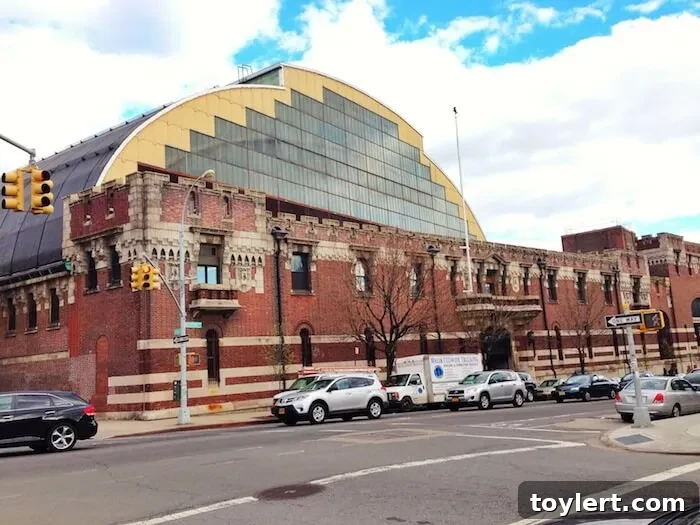
The Bedford-Union Armory, a sprawling castle-like structure located at 1579 Bedford Avenue, boasts a rich history dating back to its construction in 1903. For decades, it served as a vital training facility for the New York National Guard. However, like many historic armories across the city, it fell into disuse, becoming an imposing, underutilized asset in the heart of Crown Heights. The city’s decision to repurpose this valuable public land was met with both anticipation and apprehension.
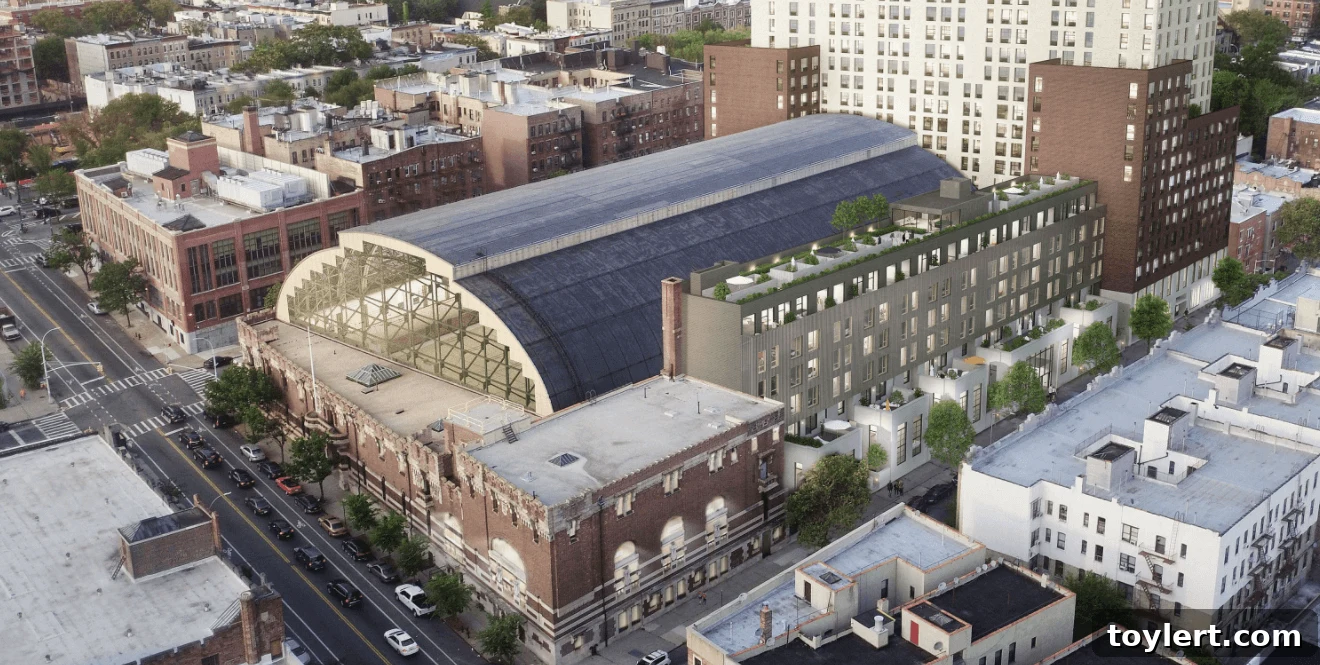
The initial redevelopment plan, put forth by BFC Partners in collaboration with the Economic Development Corporation, envisioned a comprehensive complex. It proposed 330 rental units, including a significant number designated as affordable, alongside the controversial 60 for-sale condominiums and a state-of-the-art recreation center. While the promise of new housing and community facilities was appealing, the specifics of the affordability metrics and the inclusion of high-end market-rate units quickly became flashpoints. Critics argued that the development, particularly its luxury components, would accelerate gentrification, price out long-term residents, and exacerbate the affordable housing crisis rather than alleviate it.
The Power of Community Opposition
The fierce opposition mentioned by officials was not an overnight phenomenon; it was the culmination of years of dedicated organizing, protests, and advocacy by a coalition of local residents, community boards, and housing justice organizations. Groups like the Crown Heights Tenant Union, New York Communities for Change, and various local churches united under the banner of “Save the Bedford-Union Armory,” demanding a project that genuinely served the needs of the neighborhood.
Their concerns extended beyond simply the number of affordable units. Activists meticulously scrutinized the proposed income brackets for the “affordable” housing, arguing that many units would still be out of reach for the majority of Crown Heights residents, whose median income falls significantly below the Area Median Income (AMI) often used in city-wide affordability calculations. The fear was that even the “affordable” units would cater to higher-income individuals moving into the neighborhood, further displacing existing communities of color. The displacement of cultural institutions and small businesses, often a side effect of luxury development, was another major worry.
The persistent advocacy efforts involved numerous rallies, town hall meetings, and direct lobbying of local elected officials. This sustained pressure brought the issue to the forefront of city politics, turning the Bedford-Union Armory into a litmus test for equitable development in New York City. Local Councilmember Laurie Cumbo, whose district includes the armory, found herself at the center of the controversy, facing immense pressure from both developers and her constituents.
Understanding the City’s Reevaluation
The Economic Development Corporation’s recent statement signals a potential shift in strategy, likely influenced by the unwavering community resistance and the political implications of pushing forward with an unpopular plan. While the withdrawal of the 60 condominiums might seem like a victory for activists, it’s essential to dissect what this truly means for the project’s overall affordability and its impact on the neighborhood.
Condominiums, by their nature, are typically ownership units designed for a specific buyer market, often attracting higher-income individuals seeking to invest in property. Removing these units could reduce the immediate upward pressure on local housing prices that often accompanies luxury for-sale developments. However, if the luxury rental units remain, the underlying challenge of creating truly affordable housing for existing residents persists. Luxury rentals still cater to a higher-income demographic, contributing to an overall rise in the cost of living and the demographic shift within the neighborhood.
The concept of “mixed-income” development, while often touted as a way to promote diversity, is frequently criticized by housing advocates when it includes a significant portion of market-rate luxury housing. They argue that such projects, especially on public land, should prioritize the deepest levels of affordability to address systemic housing inequality. The ongoing reevaluation by the city provides an opportunity to push for a plan that aligns more closely with these community-led visions.
Implications for Urban Development and Future Projects
The Bedford-Union Armory saga has become a high-profile example of the challenges inherent in urban redevelopment, particularly in rapidly gentrifying neighborhoods. It underscores the critical importance of community engagement and the power of organized residents to influence large-scale development projects. Should the city ultimately pivot to a more deeply affordable plan, it could set a significant precedent for how public land is utilized in New York City and beyond.
The outcome will undoubtedly impact future negotiations between developers, city agencies, and community groups on other major projects. It highlights the need for transparency in affordability metrics, genuine community input early in the planning process, and a commitment from developers and the city to address the fundamental housing needs of long-term residents. The reevaluation is not just about one building; it’s about the very soul of Crown Heights and the principle of equitable development in one of the world’s most dynamic and expensive real estate markets.
As the city continues its reevaluation, all eyes remain on the Bedford-Union Armory. The coming months will reveal whether this “change of heart” truly signifies a turning point towards a development that prioritizes the people of Crown Heights or if it’s merely a strategic adjustment in the ongoing battle for affordable housing and community preservation.