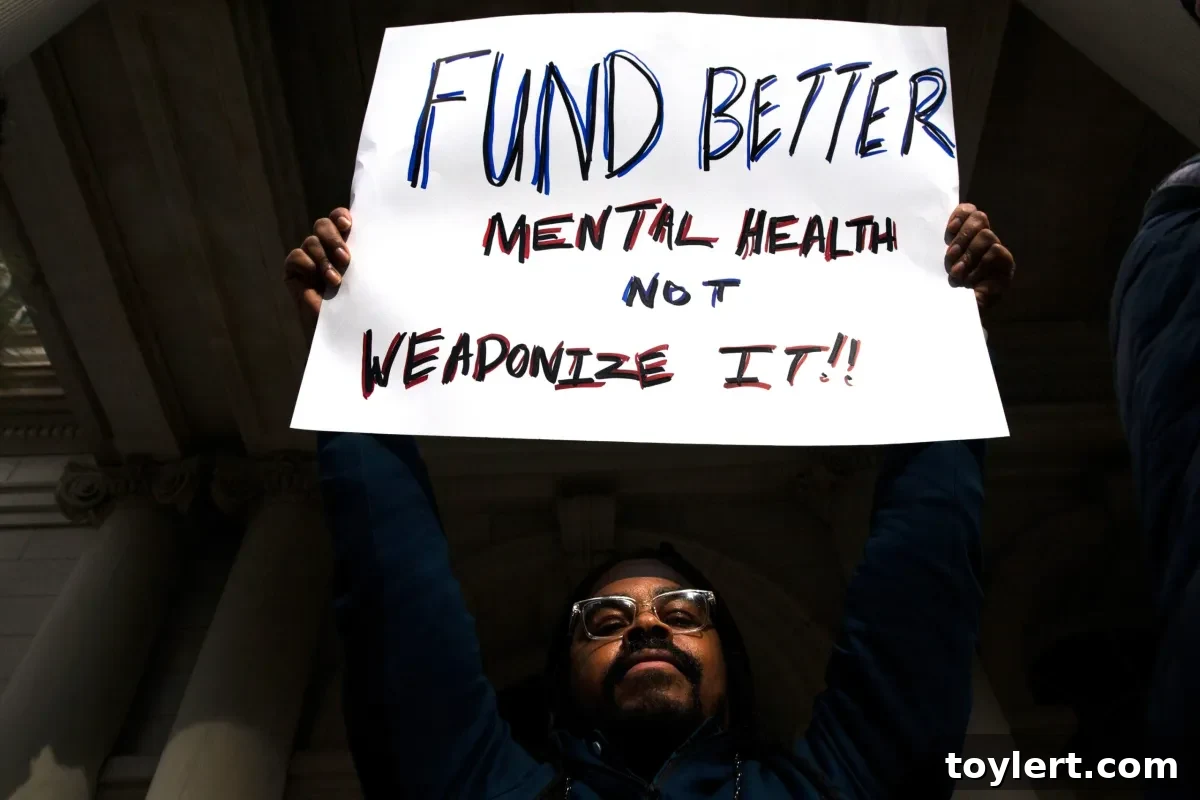

By Reuven Blau, The City
This article was originally published on by THE CITY
Governor Hochul’s Bold Vision: Expanding Psychiatric Beds and Reimagining Mental Health Care in New York
New York State is grappling with a profound mental health crisis, a challenge that Governor Kathy Hochul has unequivocally placed at the forefront of her administration’s agenda. With a comprehensive strategy aimed at significantly expanding psychiatric hospital beds and fundamentally transforming the state’s approach to mental health care, Governor Hochul is spearheading initiatives designed to provide critical support for New Yorkers in dire need. This ambitious plan seeks to address longstanding systemic issues, reduce overwhelmed emergency rooms, and ensure that individuals struggling with mental illness receive timely, compassionate, and effective treatment across the state, particularly within densely populated areas like New York City and Brooklyn.
The urgency of the situation cannot be overstated. Mental health challenges have surged in recent years, exacerbated by the lasting impacts of the global pandemic, economic pressures, and societal stressors. Emergency departments frequently serve as the default destination for individuals experiencing acute psychiatric episodes, often lacking the specialized resources for proper evaluation and long-term care planning. This bottleneck not only strains hospital systems but also delays access to appropriate treatment, often leading to poorer outcomes for patients. Recognizing these critical gaps, Governor Hochul’s administration is committed to creating a more robust, accessible, and integrated mental healthcare ecosystem.
Addressing the Critical Shortage: A Strategic Increase in Psychiatric Beds
A cornerstone of Governor Hochul’s strategy is the direct expansion of psychiatric hospital beds. This move acknowledges that a shortage of inpatient capacity has been a significant barrier to effective mental health treatment. The plan focuses on adding hundreds of new beds to facilities statewide, with a particular emphasis on areas demonstrating the highest need. This expansion is not merely about increasing numbers; it’s about strategically enhancing access to various levels of care, including acute inpatient services for stabilization and longer-term residential programs for sustained recovery.
The new beds are expected to be distributed across a mix of state-operated and community-based hospitals. This dual approach aims to optimize resource allocation, ensuring that both specialized state facilities and local healthcare providers are equipped to manage the influx of patients. Furthermore, the initiative emphasizes modernizing existing facilities and investing in new construction where necessary, creating therapeutic environments conducive to healing and recovery. This includes upgrades to physical infrastructure, incorporating best practices in patient safety, and integrating advanced clinical technologies.
Beyond Beds: A Holistic Approach to Mental Wellness
While the increase in psychiatric beds is vital, Governor Hochul’s vision extends far beyond inpatient capacity. The plan adopts a holistic approach to mental wellness, recognizing that effective care requires a continuum of services. Key components of this broader strategy include:
- Enhanced Outpatient and Community-Based Services: A significant investment is being made in expanding outpatient clinics, mobile crisis intervention teams, and assertive community treatment (ACT) programs. These services are crucial for preventing crises, providing early intervention, and supporting individuals in managing their conditions while living in their communities.
- Workforce Development: A shortage of mental health professionals—psychiatrists, psychologists, social workers, and direct care staff—is a national challenge. New York’s plan includes initiatives to recruit, train, and retain a diverse mental health workforce. This involves expanding educational programs, offering financial incentives for those working in underserved areas, and streamlining licensing processes.
- Integration with Primary Care: Breaking down silos between physical and mental health is paramount. The administration is promoting models that integrate mental health screenings and services into primary care settings, making it easier for individuals to access help without navigating complex separate systems.
- Supportive Housing: For many individuals with serious mental illness, stable housing is a critical determinant of recovery. The plan includes investments in supportive housing programs that combine safe shelter with wraparound services, including case management, vocational training, and access to therapeutic support.
- Crisis Stabilization Centers: These centers offer an alternative to emergency rooms for individuals experiencing a mental health crisis, providing immediate assessment, de-escalation, and connection to appropriate care in a less restrictive environment.
- Youth Mental Health Initiatives: Recognizing the growing mental health challenges among children and adolescents, specialized programs are being developed to address their unique needs, including school-based mental health services and early intervention programs.
Impact on New York City and Brooklyn: A Focus on Urban Needs
The densely populated boroughs of New York City, including Brooklyn, face unique and compounded mental health challenges. High rates of homelessness, poverty, and diverse cultural backgrounds necessitate tailored and accessible mental health solutions. Governor Hochul’s initiatives are designed to have a direct and significant impact on these urban centers.
In New York City, the expansion of psychiatric beds will help alleviate the strain on overburdened municipal hospitals and private facilities. This means shorter wait times for admission and more timely access to crucial inpatient care. Furthermore, the increased funding for community-based programs will strengthen neighborhood-level support systems, making mental health services more readily available within local communities, reducing the need for lengthy travel or navigating unfamiliar systems.
Brooklyn, with its vast and diverse population, is poised to benefit substantially. Efforts to increase culturally competent care and bilingual providers will be particularly impactful in a borough known for its rich tapestry of communities. Investments in mobile crisis units and supportive housing will directly address the needs of Brooklyn residents experiencing homelessness or struggling to maintain stability due to mental illness, fostering greater social integration and recovery.
Navigating Challenges and Ensuring Sustainable Progress
Implementing such an ambitious mental health reform plan is not without its challenges. Sustaining the necessary funding, overcoming bureaucratic hurdles, and effectively scaling up programs require continuous effort and collaboration. A critical component of the plan’s success will be the ongoing engagement with healthcare providers, mental health advocates, community leaders, and individuals with lived experience.
One primary concern often raised is the long-term sustainability of the workforce. While recruitment initiatives are in place, retaining qualified professionals, particularly in high-stress mental health environments, demands competitive compensation, supportive work conditions, and opportunities for professional growth. The administration is exploring various strategies to ensure that the mental health sector remains an attractive and viable career path.
Another challenge involves public perception and the persistent stigma surrounding mental illness. Governor Hochul’s administration recognizes that societal attitudes must shift for individuals to feel comfortable seeking and receiving care. Public awareness campaigns and educational initiatives are integral to fostering a more understanding and supportive environment across New York State.
A Vision for a Healthier New York
Governor Hochul’s comprehensive strategy for mental health care represents a pivotal moment for New York State. By combining a crucial expansion of psychiatric beds with a robust network of community-based services, workforce development, and integrated care models, the administration is laying the groundwork for a more resilient and compassionate mental health system. This forward-thinking approach aims to move beyond crisis management, focusing instead on prevention, early intervention, and long-term recovery, ensuring that every New Yorker has the opportunity to achieve mental wellness.
The commitment to investing in mental health infrastructure and services reflects an understanding that mental health is integral to overall public health and economic well-being. As these initiatives unfold, New York is setting a precedent for how states can proactively address complex mental health challenges, offering hope and tangible support to countless individuals and families across its diverse communities, from bustling urban centers like New York City and Brooklyn to its rural landscapes. This is not just a plan; it’s a promise for a healthier, more supportive future for all New Yorkers.