210 North 10th Street: A Resurgent Vision in the Heart of Williamsburg, Brooklyn
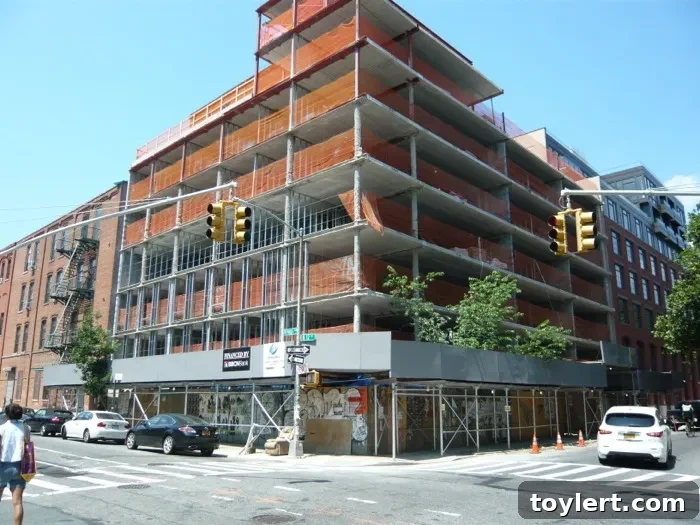
In the vibrant and ever-evolving landscape of Williamsburg, Brooklyn, a significant new chapter is unfolding at 210 North 10th Street. For years, this prime piece of real estate remained an enigmatic empty lot, a silent testament to development plans that lay dormant. However, the skyline is now changing, with the nascent skeleton of a modern building visibly rising, signaling the exciting resurgence of a long-awaited residential project. This development marks a pivotal moment for a site whose journey began over a decade and a half ago, promising to add a fresh architectural footprint to one of New York City’s most sought-after neighborhoods.
The Enduring Saga of 210 North 10th Street: A Williamsburg Development Odyssey
A Site Awaiting Transformation: Years of Anticipation
The story of 210 North 10th Street is one steeped in anticipation and the often-protracted nature of urban development in New York City. Records indicate that plans for this site have been “in the works” since at least 2007. For residents and real estate observers alike, the extended period during which the site remained a vacant lot was a curious anomaly in an area characterized by rapid construction and relentless demand. Williamsburg, particularly its North side, has transformed dramatically over the last two decades, evolving from an industrial stretch into a residential and cultural hotspot. The presence of an undeveloped parcel like 210 North 10th Street amidst this boom underscored the complex challenges and unique timelines that can accompany major urban projects.
The initial proposals and the subsequent delay highlight the multifaceted hurdles developers often face, from intricate permitting processes and zoning regulations to financing complexities and shifts in market dynamics. While the reasons for such a prolonged dormancy are often layered and not always transparent to the public, the current visible progress is a clear indication that these obstacles have either been overcome or successfully navigated. This renewed momentum brings a sense of relief and excitement, suggesting that the vision for this address is finally transitioning from blueprints and permits to tangible brick and mortar.
From Concept to Concrete: The Resurgence of Development
The turning point for 210 North 10th Street arrived recently, with the unmistakable signs of active construction. The emergence of a building’s structural framework is always a thrilling sight in a bustling metropolis, symbolizing growth, investment, and future community enhancements. This particular revival is underpinned by a renewed building application, which was officially updated in July. This administrative action is crucial, as it provides the legal and operational basis for the current construction activities and outlines the precise parameters of the ambitious project now taking shape.
According to the details available through the renewed application on the NYC Department of Buildings’ website, accessible via Job Number 302384373, the plans call for an eight-story structure designed exclusively for residential use. This significant residential building is slated to house 42 distinct apartment units. The focus on a “purely residential” model is a notable aspect, reflecting current market demands and the ongoing trend of increasing housing density in prime Brooklyn locations. The architectural responsibility for this renewed vision has been entrusted to Philip Toscano, a name that will undoubtedly shape the aesthetic and functional outcome of this long-anticipated development. His involvement signals a fresh design perspective for the site, moving beyond the initial concepts conceived over a decade ago.
Architectural Vision and Evolution: Philip Toscano Takes the Helm
The Current Design Philosophy Under Philip Toscano
With Philip Toscano named as the architect for the revived 210 North 10th Street project, attention naturally turns to the potential design aesthetic and functional layout of the new eight-story, purely residential building. Toscano’s approach will be crucial in defining the character of the building and how it integrates into the vibrant, yet diverse, architectural fabric of North Williamsburg. Given the neighborhood’s blend of industrial-chic conversions, modern glass towers, and historic brownstones, any new development must strike a delicate balance between contemporary appeal and contextual sensitivity. We can anticipate a design that prioritizes natural light, efficient space utilization, and potentially, sustainable building practices, all of which are highly valued in today’s urban residential market.
For 42 apartment units, the design will likely emphasize a range of layouts to appeal to a broad demographic, from single professionals and couples to small families. Common amenities, such as a rooftop terrace offering panoramic city views, a modern fitness center, or resident lounges, are almost de rigueur for new luxury residential buildings in this area and would be key features in attracting tenants or buyers. The exterior façade could draw inspiration from Williamsburg’s industrial past, perhaps incorporating brickwork and large windows, or it might opt for a sleek, contemporary look with metal panels and extensive glazing, reflecting the area’s ongoing modernization. Philip Toscano’s task is not just to erect a building, but to craft a living space that enhances the urban experience for its future inhabitants and contributes positively to the streetscape of North 10th Street.
Tracing the Architectural Lineage: From MDIM’s Mixed-Use Vision
The current purely residential plan for 210 North 10th Street stands in contrast to an earlier proposal from 2007. At that time, MDIM (Marc Dimon Design) had envisioned a mixed-use building for the site, which would have included 34 apartments. The shift from a mixed-use concept to an exclusively residential one reflects an evolution in market priorities or perhaps strategic decisions by the developer. Mixed-use buildings typically combine residential units with commercial or retail spaces on the ground floor, fostering a dynamic street-level environment. While MDIM’s original design would have added a different dimension to the immediate neighborhood, the current residential-only approach prioritizes housing density, a critical need in New York City.
Interestingly, despite the change in architect and programmatic use, the initial assessment suggests that the “shape of the building appears to be the same.” This observation, echoed in earlier reports, including one from Curbed NY from 2008, indicates that certain foundational or structural aspects of the earlier design might have been retained or influenced the current blueprint. This could be due to zoning envelopes, site constraints, or an efficient reuse of previously approved structural elements, minimizing the need for entirely new foundational work or extensive redesigns that could further delay the project. The concept of building envelope continuity is not uncommon in long-gestating projects, where the approved footprint or massing dictated by zoning may remain consistent even as internal layouts and façade treatments are updated to reflect contemporary trends and specific developer requirements. This continuity, if true, speaks to a pragmatic approach to bringing the project to fruition after its extended hiatus.
The Pulse of Williamsburg: Impact on a Dynamic Neighborhood
Addressing Williamsburg’s Housing Demand
The addition of 42 new residential units at 210 North 10th Street will have a tangible impact on Williamsburg’s perpetually tight housing market. Williamsburg has long been a magnet for a diverse array of residents, from artists and creative professionals to young families and established urbanites, all drawn to its unique blend of cultural vibrancy, riverside parks, and convenient access to Manhattan. This sustained demand, coupled with limited available land for new construction, has driven up housing costs and intensified competition for desirable apartments. The introduction of these 42 units, whether for rent or sale, represents a modest but welcome increment to the housing supply, potentially offering new options to those looking to call this sought-after neighborhood home.
These units will likely cater to a market segment seeking modern amenities, contemporary design, and the quintessential Brooklyn lifestyle. Depending on their size and configuration, they could attract a mix of residents, further diversifying the local demographic. The project underscores the continued investment in Williamsburg as a premier residential destination and its vital role in addressing New York City’s ongoing housing challenges. While 42 units alone won’t solve the broader housing crisis, each new development contributes to the intricate tapestry of urban living and helps meet the evolving needs of its population.
Shaping the Urban Fabric and Community Life
Beyond simply adding housing units, the development at 210 North 10th Street will inevitably shape the urban fabric and daily rhythms of the surrounding community. A new eight-story building will alter the visual landscape of North 10th Street, adding density and a fresh architectural element. The design’s success will be measured not only by its internal aesthetics but also by how gracefully it integrates with the existing streetscape, which includes a mix of older industrial buildings now repurposed, smaller residential structures, and newer developments. A thoughtful façade, well-designed ground-level interaction, and attention to pedestrian experience will be crucial in ensuring it becomes a valued addition rather than an imposing structure.
Moreover, the influx of new residents will bring increased foot traffic, potentially benefiting local businesses—cafes, boutiques, restaurants, and grocery stores—along Bedford Avenue, North 7th Street, and other commercial arteries. This organic growth contributes to the economic vitality of the area, supporting local entrepreneurs and enhancing the neighborhood’s already vibrant street life. Public transportation, particularly the L train at Bedford Avenue, is a critical artery for Williamsburg residents. While new developments always add some strain to existing infrastructure, they also spur discussions and potential investments in public services, from transit upgrades to park improvements, ensuring that the community continues to thrive and adapt to its growth. This project symbolizes Williamsburg’s ongoing evolution, demonstrating how new constructions can contribute to and redefine the character of an urban locale.
Navigating the Complexities of NYC Real Estate Development
Challenges and Opportunities for Developers
Developing in New York City, particularly in a high-demand area like Williamsburg, is an undertaking fraught with unique challenges and significant opportunities. The journey of 210 North 10th Street, marked by a prolonged hiatus, perfectly illustrates some of these hurdles. Developers must navigate a labyrinthine permitting process, adhere to strict zoning laws, and often contend with community review processes. Securing financing for large-scale projects in a volatile economic climate adds another layer of complexity. Environmental impact assessments, historical preservation considerations, and adherence to evolving building codes further contribute to the arduous nature of urban development in the five boroughs. The sheer cost of land acquisition in prime areas like Williamsburg also represents a substantial initial investment, demanding robust financial backing and a clear vision.
Despite these formidable challenges, the opportunities presented by the Williamsburg real estate market are equally compelling. The demand for housing remains exceptionally strong, promising high returns on investment for successful projects. Williamsburg’s reputation as a cultural epicenter, its excellent transportation links to Manhattan, and its thriving local economy make it an incredibly attractive location for both renters and buyers. Developers who can successfully navigate the complexities are rewarded with the chance to contribute to the city’s growth, create modern living spaces, and capitalize on a market that consistently demonstrates resilience and upward trajectory. The commencement of construction at 210 North 10th Street is a testament to the developer’s perseverance and belief in the enduring value and potential of this specific Brooklyn locale.
A Broader Look at North Brooklyn’s Transformation
The development at 210 North 10th Street should be viewed within the larger context of North Brooklyn’s monumental transformation. Once an industrial and working-class district, areas like Williamsburg and Greenpoint have undergone a dramatic renaissance, evolving into some of the most desirable neighborhoods in the country. This metamorphosis has been driven by a confluence of factors: strategic rezoning initiatives, an influx of artists and creative industries, and a relentless demand for alternative urban living experiences outside of Manhattan. The waterfront, once dominated by decaying piers and factories, now boasts luxury residential towers, meticulously designed public parks, and vibrant cultural venues.
This ongoing evolution has fostered a unique blend of old and new – historic brick buildings stand alongside sleek, modern high-rises, while independent boutiques and artisanal eateries thrive next to established national brands. The character of North Brooklyn is defined by this eclectic mix, making it a hub for innovation, creativity, and diverse communities. Projects like 210 North 10th Street are not just isolated constructions; they are integral components of this continuous narrative of urban renewal and growth, each new building adding another layer to the dynamic identity of one of New York City’s most exciting boroughs. The area continues to attract significant investment, further solidifying its status as a vital contributor to the city’s economic and cultural landscape.
What Lies Ahead: The Future of 210 North 10th Street
As the steel and concrete skeleton of 210 North 10th Street continues its upward trajectory, the focus will undoubtedly shift towards the project’s completion timeline and the eventual unveiling of its residential offerings. While specific completion dates are yet to be widely announced, the visible progress suggests that the building could welcome its first residents within the next couple of years, adding another contemporary dwelling to Williamsburg’s competitive market. This development promises to be more than just another building; it represents the fulfillment of a long-held vision for a prime site, a testament to the enduring appeal of Williamsburg, and a fresh opportunity for individuals and families to become part of one of Brooklyn’s most sought-after communities.
The journey of 210 North 10th Street from an empty lot to a rising residential edifice encapsulates the relentless energy and transformative spirit of New York City’s urban development. With Philip Toscano’s design coming to life, and 42 new residential units poised to enter the market, this project is set to contribute significantly to the evolving narrative of North Williamsburg, promising vibrancy, modern living, and a fresh perspective on urban residential design. The community eagerly anticipates the completion of this landmark project, poised to welcome a new wave of residents and further enrich the dynamic fabric of this iconic Brooklyn neighborhood.