Brooklyn’s Real Estate Boom: Unpacking Q3 2015 Home Sales and Market Trends
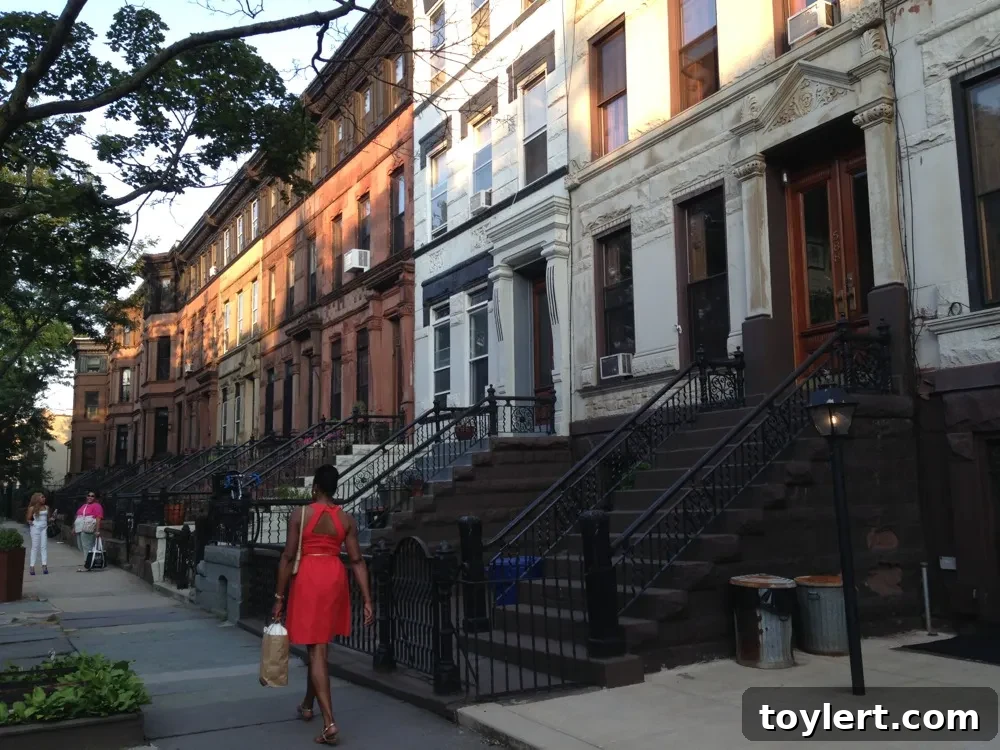
New York City’s real estate landscape is perpetually dynamic, a vibrant ecosystem where trends shift, neighborhoods evolve, and property values reflect the heartbeat of urban life. While Manhattan has historically dominated discussions around high-value properties, the mid-2010s marked a significant shift, with Brooklyn cementing its reputation as not just a cultural hotspot but also a powerful force in the housing market. A detailed look into the Real Estate Board of New York’s (REBNY) Q3 2015 report revealed compelling insights into this transformation, particularly highlighting Brooklyn’s enduring appeal and remarkable growth.
Unpacking the Q3 2015 REBNY Report: Brooklyn’s Stellar Performance
The third quarter of 2015 presented a fascinating picture of the New York City real estate market. According to REBNY’s comprehensive analysis, home sales across several boroughs demonstrated robust increases. Queens experienced a notable 17 percent rise in sales, while the Bronx led the pack with an impressive 35 percent surge compared to the same period in the previous year. Yet, it was Brooklyn, often affectionately dubbed New York’s “coolest borough,” that continued to captivate attention with its consistently strong performance.
During this period, Brooklyn home sales witnessed a significant 12 percent increase year-over-year. This upward trajectory wasn’t just about the volume of transactions; it also reflected a substantial appreciation in property values. The report indicated that the average price of a Brooklyn home soared by 18 percent during the studied quarter, reaching an average of $822,000. This substantial jump underscored the intensifying demand and the borough’s growing status as a premier residential destination.
Price Dynamics: Brooklyn vs. Manhattan and the Quest for Value
A crucial aspect of the Q3 2015 report was the comparison of price per square foot across different boroughs, illuminating the unique value propositions each offered. Brooklyn’s average price per square foot stood at $520, which, while reflecting healthy growth, remained considerably more accessible when juxtaposed with Manhattan’s staggering average of $1,425 per square foot. This significant disparity continued to position Brooklyn as an attractive alternative for buyers seeking to invest in the New York City market without the premium price tag associated with its island neighbor.
The gap between Brooklyn and Manhattan’s price per square foot highlighted a critical driver of Brooklyn’s market strength: affordability relative to Manhattan. For many prospective homeowners, Brooklyn offered a viable pathway to homeownership in NYC, balancing urban amenities with more spacious living options and often a stronger sense of community. This value proposition not only attracted first-time buyers but also seasoned investors looking for properties with substantial growth potential, given the ongoing development and gentrification across numerous Brooklyn neighborhoods.
Key Factors Fueling Brooklyn’s Enduring Real Estate Appeal
Brooklyn’s real estate success in 2015, and indeed in the years leading up to it, was not an isolated phenomenon but rather the culmination of several interlocking factors. Understanding these drivers provides deeper insight into why the borough became, and continues to be, such a coveted location.
Economic Vibrancy and Job Growth
Brooklyn’s economy experienced significant diversification and growth. The borough saw an influx of tech startups, creative agencies, and small businesses, creating a robust local job market. Areas like DUMBO (Down Under the Manhattan Bridge Overpass) and the Brooklyn Navy Yard transformed into innovation hubs, drawing a talented workforce eager to live closer to where they worked. This economic dynamism fueled demand for housing, as more people moved to or chose to remain in Brooklyn.
Demographic Shifts and Lifestyle Choices
A notable trend was the migration of young professionals and families from Manhattan and other cities seeking a different kind of urban experience. Brooklyn offered a compelling blend of vibrant cultural scenes, independent shops, diverse culinary options, and a more relaxed, community-oriented atmosphere compared to the intense pace of Manhattan. The desire for more space, often found in Brooklyn’s brownstones and larger apartments, coupled with access to excellent schools and abundant parks, made it an ideal choice for a growing demographic.
Infrastructure Development and Urban Revitalization
Significant investments in infrastructure and public spaces enhanced Brooklyn’s appeal. Improvements in public transportation, including new ferry services and subway line extensions, made commuting easier and more efficient. Waterfront revitalization projects, such as Brooklyn Bridge Park, transformed industrial areas into stunning recreational spaces, adding immense value to adjacent neighborhoods. These developments not only improved the quality of life but also signaled long-term confidence in the borough’s future.
Neighborhood Evolution and Diverse Offerings
Brooklyn is a borough of distinct neighborhoods, each with its own character and charm. From the historic elegance of Brooklyn Heights and Park Slope to the artistic vibrancy of Bushwick and Williamsburg, and the family-friendly allure of Bay Ridge, there was (and still is) a neighborhood to suit every taste and budget. This diversity meant that even as prices rose in popular areas, there were always emerging neighborhoods offering relative affordability and promising future growth. The continuous evolution of these areas, through gentrification and new construction, kept the market fresh and exciting.
Navigating the Market: Insights for Buyers and Sellers
The trends observed in Q3 2015 offered clear implications for both buyers and sellers in the Brooklyn real estate market. For prospective homeowners, the rising prices and increased sales volume indicated a competitive landscape, necessitating prompt decision-making and often multiple-offer scenarios. Buyers needed to be prepared with financing, clear on their priorities, and ready to act quickly to secure desirable properties. However, Brooklyn’s diverse housing stock still presented opportunities, from historic brownstones and pre-war co-ops to modern condos and lofts, catering to various preferences and investment levels.
For sellers, the market conditions were highly favorable. The strong demand and appreciation in average home prices meant that properties were often selling quickly and at or above asking price. This environment empowered sellers to achieve excellent returns on their investments, making it an opportune time to list properties. Strategic pricing, effective marketing, and understanding local neighborhood dynamics became crucial for maximizing sale potential in this vibrant market.
Beyond 2015: What the Future Held for Brooklyn Real Estate
Looking back from a future perspective, the Q3 2015 report served as a foundational indicator of Brooklyn’s sustained growth. The trends observed then – increasing sales, significant price appreciation, and a compelling value proposition compared to Manhattan – laid the groundwork for further development and continued market strength in subsequent years. While market fluctuations and broader economic factors would always play a role, Brooklyn’s unique blend of cultural richness, economic vitality, and diverse communities ensured its position as a highly desirable and resilient real estate market.
The challenge that emerged, and continues to be a central theme, was the question of affordability. As Brooklyn became more popular and prices continued to climb, concerns grew about retaining its diverse character and ensuring accessibility for a wide range of residents. Nevertheless, the Q3 2015 data unequivocally demonstrated Brooklyn’s ascent as a real estate powerhouse, a borough where investment yielded significant returns and the dream of New York City homeownership remained within reach for many.
Conclusion: Brooklyn’s Enduring Appeal
The Q3 2015 report from the Real Estate Board of New York painted a clear picture of a borough on the rise. With home sales up 12 percent and average prices surging by 18 percent, Brooklyn confidently asserted its position as a prime real estate market within New York City. Its unique blend of cultural vibrancy, economic opportunity, and comparative affordability continued to attract a diverse demographic of residents and investors. While Queens and the Bronx also showed impressive growth, Brooklyn’s consistent strength and its distinct identity solidified its reputation as not just a “cool” place to live, but a robust and enduring investment destination. The data from 2015 served as a testament to Brooklyn’s magnetic appeal, a trend that has only continued to shape the dynamic landscape of NYC real estate.