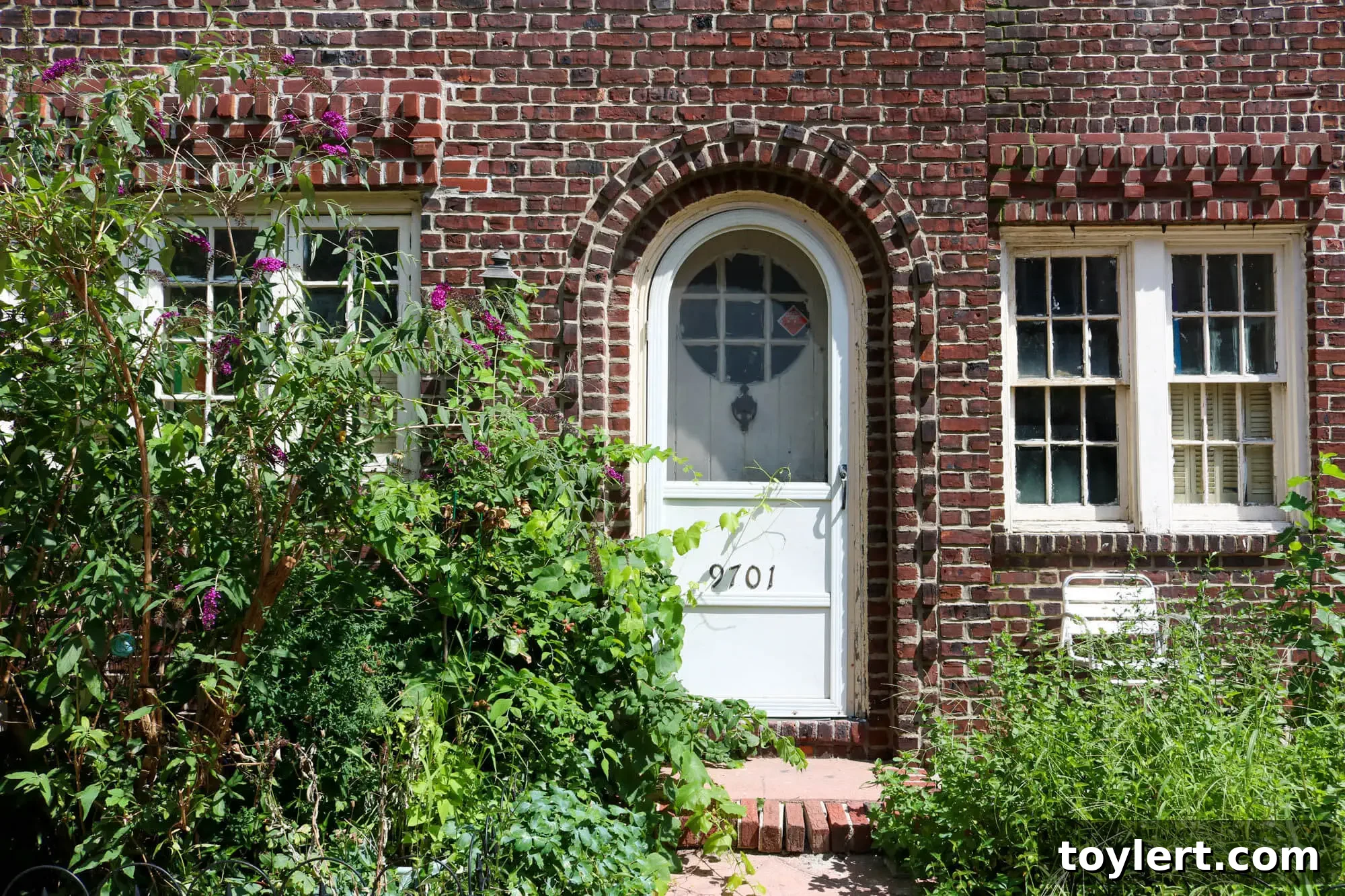
Discover Barwell Terrace: A Hidden Architectural Oasis in Brooklyn’s Bay Ridge
For aficionados of urban exploration and those who delight in unearthing Brooklyn’s myriad architectural surprises, the discovery of a truly hidden street is always a special treat. Brooklyn, a borough celebrated for its dynamic neighborhoods and diverse streetscapes, boasts a fascinating collection of these tucked-away thoroughfares. Among its most intriguing is Barwell Terrace, an enigmatic private street nestled off 97th Street, between 3rd and 4th Avenues, in the charming and historic neighborhood of Bay Ridge.
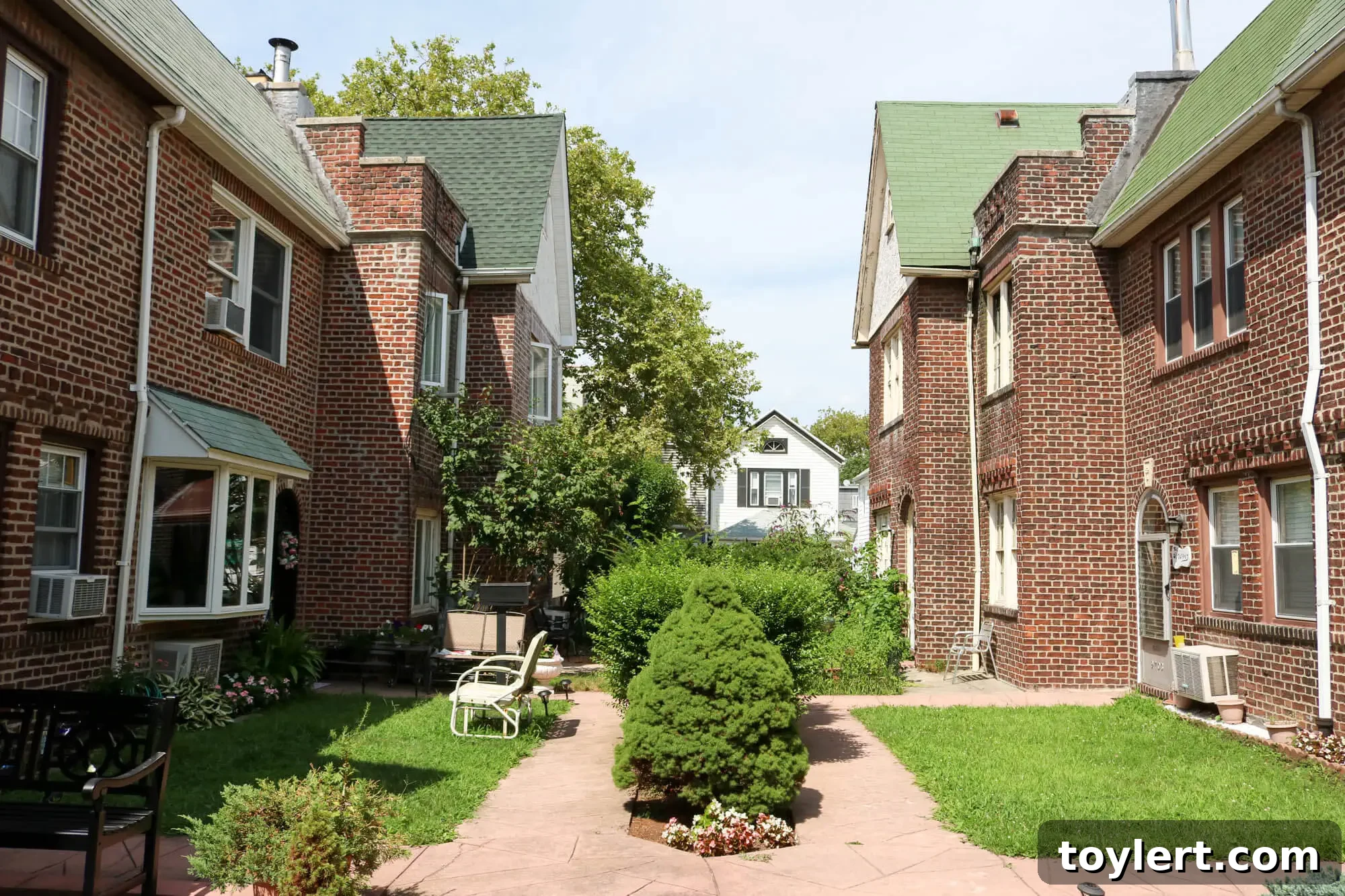
Barwell Terrace isn’t merely a small street; it’s a meticulously preserved slice of Brooklyn’s past, offering a unique glimpse into a residential design philosophy rarely seen in contemporary urban planning. Its status as a private street immediately sets it apart, distinguishing it from the typical public arteries of the city. What makes Barwell Terrace particularly captivating is not just its exclusivity, but its remarkable accessibility. Unlike the more common mews or cul-de-sacs that typically branch directly off a main road at street level, Barwell Terrace reveals itself only after an ascent. To reach this serene haven, one must climb a distinctive flight of brick stairs from 97th Street, transforming the approach into an act of discovery and offering a delightful sense of anticipation.
The Allure of Brooklyn’s Hidden Gems: More Than Just Streets
Brooklyn has long captivated residents and visitors alike with its unparalleled character, a tapestry woven from historic brownstones, bustling commercial avenues, serene residential blocks, and unexpected pockets of tranquility. The borough’s architectural landscape is a testament to its rich history, evolving from Dutch colonial settlements to a vibrant metropolitan center. Within this intricate urban fabric, hidden streets like Barwell Terrace serve as architectural time capsules, preserving styles and community structures that might otherwise be lost to the relentless pace of urban development. These secret urban pathways are not merely routes for passage; they are destinations in themselves, offering a profound sense of escape from the surrounding hustle and bustle.
The fascination with these secluded areas stems from a primal human desire for discovery and belonging. To stumble upon a street that feels almost entirely separate from the grid is to uncover a secret, to gain access to an exclusive world. Barwell Terrace perfectly embodies this allure. Its discreet entrance, marked by a flight of brick stairs rather than a grand gateway, hints at the intimate community residing beyond. This design choice fosters a strong sense of privacy and seclusion, creating an atmosphere that feels more akin to a village square than a thoroughfare in one of the world’s largest cities.
Bay Ridge: The Perfect Setting for a Private Oasis
Barwell Terrace finds its home in Bay Ridge, one of Brooklyn’s most picturesque and historically rich neighborhoods. Known for its tree-lined streets, elegant homes, and stunning waterfront views of the Verrazzano-Narrows Bridge and the New York Harbor, Bay Ridge offers a unique blend of urban convenience and suburban charm. It’s a neighborhood proud of its strong community spirit and its ability to maintain a distinct identity amidst Brooklyn’s rapid evolution. Bay Ridge’s architectural heritage is diverse, featuring everything from Victorian mansions to classic brick row houses, making it an ideal locale for a unique architectural anomaly like Barwell Terrace.
The specific location of Barwell Terrace, tucked between 3rd and 4th Avenues on 97th Street, places it within a particularly residential and peaceful part of Bay Ridge. This area is characterized by its quiet streets, local shops, and a palpable sense of neighborhood camaraderie. While 3rd and 4th Avenues are significant commercial arteries, offering an array of dining and shopping options, Barwell Terrace remains wonderfully insulated from their energy. This strategic positioning enhances its appeal as a genuine urban oasis, where the sounds of city life gently recede, replaced by the tranquil hum of a close-knit community.
Architectural Charm and Design: A Step Back in Time
Stepping onto Barwell Terrace after ascending its brick stairs is like entering a different era. The architectural style prevalent here often reflects the early 20th-century sensibilities of Brooklyn’s residential development, with a focus on solid construction, classic design elements, and a human scale. While specific details would vary, one can generally expect to find charming brick or stucco facades, often adorned with traditional windows, inviting stoops, and perhaps small, meticulously maintained front gardens or planters. The houses likely share a cohesive aesthetic, contributing to the unified and harmonious feel of the street.
The layout of a private street like Barwell Terrace is inherently designed for community and pedestrian enjoyment. Without through traffic, the street itself becomes an extension of the residents’ living space—a safe, quiet area for children to play, neighbors to gather, and for a general sense of communal ownership to flourish. This fosters an intimate atmosphere, where individual homes contribute to a larger, collective identity. The absence of typical urban distractions means that details like intricate brickwork, historical window frames, and the subtle variations in each facade become more prominent, allowing observers to appreciate the craftsmanship and character that define these homes.
The Experience of Discovery: Unveiling Brooklyn’s Secrets
For urban explorers and architectural enthusiasts, the act of discovering Barwell Terrace is a deeply rewarding experience. It’s a reminder that even in a city as thoroughly mapped and documented as New York, hidden gems still exist, waiting to be found by those with a keen eye and a curious spirit. The journey up the stairs is more than just a physical ascent; it’s a transition from the public realm to a private sanctuary, a moment of crossing a threshold into a unique residential world.
Upon reaching the top, visitors are greeted not by the expected cacophony of city life, but by an unexpected quietude. The air itself seems different, carrying the faint scent of garden flowers or freshly cut grass, rather than the exhaust fumes of passing cars. This sense of peace and removal makes Barwell Terrace a truly remarkable destination for anyone seeking a moment of contemplation or a deeper understanding of Brooklyn’s layered history. It exemplifies how thoughtful design, even on a small scale, can significantly impact the quality of life and the character of a neighborhood.
Respect for privacy is paramount when visiting such locations. While Barwell Terrace is a fascinating architectural marvel, it is first and foremost a residential street and a home to its inhabitants. Appreciating its beauty and uniqueness means observing respectfully, understanding that its charm lies partly in its protected, residential nature. This thoughtful approach ensures that these precious pockets of tranquility can continue to thrive for generations to come, offering their quiet beauty to those who seek them out.
Beyond Barwell Terrace: A Glimpse into Brooklyn’s Architectural Diversity
Barwell Terrace stands as a shining example of Brooklyn’s rich and often surprising architectural diversity. It represents a broader category of unique urban spaces that contribute immensely to the borough’s distinctive character. From the grand mansions of Prospect Park South to the charming rowhouses of Brooklyn Heights, and the industrial-chic conversions in DUMBO, Brooklyn is a living museum of architectural styles and urban planning philosophies. Hidden streets, private enclaves, and historical mews are integral parts of this narrative, each telling a story of how communities have evolved and adapted over time.
These secluded spots offer invaluable insights into past urban development trends, where the emphasis might have been on creating intimate, pedestrian-friendly environments before the widespread dominance of the automobile. They remind us of a time when streets were designed not just for transportation, but as extensions of homes and gathering places for neighbors. Barwell Terrace, with its unique access and private status, serves as a powerful testament to this enduring legacy, inviting us to look closer and appreciate the intricate details that make Brooklyn such an extraordinary place.
Conclusion: An Enduring Symbol of Brooklyn’s Charm
Barwell Terrace is more than just an address; it is a quiet testament to Brooklyn’s enduring charm and its remarkable capacity for architectural surprises. It embodies the essence of discovery that so many urban explorers cherish, offering a serene escape from the typical urban experience. Tucked away in the historic embrace of Bay Ridge, this private street, accessible only by a flight of brick stairs, stands as a vivid reminder of the borough’s rich past and its continuing ability to foster unique, close-knit communities within its vast expanse.
For those eager to delve deeper into the architectural wonders of Brooklyn, Barwell Terrace offers a compelling starting point. It encourages a slower pace, a more observant eye, and a profound appreciation for the subtle beauty and historical depth that lie just beyond the main thoroughfares. As an urban oasis, a historical artifact, and a vibrant community, Barwell Terrace firmly holds its place as one of Brooklyn’s most captivating and unforgettable hidden gems, inviting respectful admiration and inspiring further exploration of the borough’s countless architectural treasures.