Brooklyn’s Enduring Charm: Exploring the Timeless Appeal of Two-Family Row Houses on Jardine Place
Brooklyn, a borough celebrated for its rich history, vibrant culture, and distinct architectural character, continues to captivate residents and visitors alike. At the heart of its unique urban landscape lies a treasure trove of historic homes, each telling a story of bygone eras and resilient communities. Among these, the two-family row house stands out as an emblem of Brooklyn’s architectural heritage, offering a blend of historical grandeur, practical living, and enduring investment value. This exploration takes us to an imagined snapshot of Jardine Place, a street that beautifully encapsulates the charm and enduring legacy of these distinctive structures, embodying the spirit of Brooklyn, one building at a time.
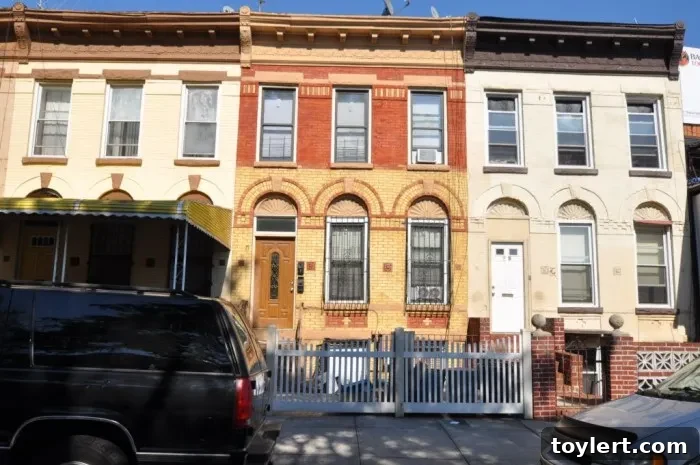
The image above, depicting a serene stretch of 1-19 Jardine Place, hints at the quiet dignity and architectural cohesion found in many of Brooklyn’s residential enclaves. These buildings are more than just dwellings; they are cornerstones of a community, designed with an eye towards both aesthetic appeal and functional living. Understanding their significance requires delving into their origins, their unique architectural features, and the lifestyle they foster.
The Genesis of Brooklyn Row Houses: A Historical Overview
The proliferation of row houses in Brooklyn, particularly two-family configurations, is deeply rooted in the borough’s rapid urbanization during the 19th and early 20th centuries. As New York City expanded and its population burgeoned, the demand for housing grew exponentially. Developers and architects responded by creating dense, yet elegant, residential areas characterized by long rows of interconnected or semi-detached homes. These structures maximized land use while providing comfortable, often spacious, living environments. The concept of the two-family house, in particular, emerged as a practical solution, allowing homeowners to generate rental income from a separate unit, making homeownership more accessible and sustainable in a growing city.
These homes often date back to periods when architectural styles like Victorian Gothic, Romanesque Revival, Neo-Grec, and Italianate were popular. Each style brought its own unique flair, from intricate brownstone facades and elaborate cornices to tall, arched windows and decorative stoops. The uniformity of the row house concept was often balanced by subtle variations in detailing, materials, and color, giving each block a harmonious yet individualized character. Streets like the depicted Jardine Place would have been developed in phases, leading to a delightful mix of styles that nonetheless coalesce into a cohesive streetscape.
Understanding the Two-Family Row House Configuration
What precisely defines a “two-family row house” and why has this model remained so popular in Brooklyn? Traditionally, these homes are designed with two distinct dwelling units within a single structure. This usually translates to a main owner’s unit, often occupying the garden level and parlor floor, sometimes extending to an upper floor, and a separate, self-contained rental unit, typically a garden apartment or an upper-floor apartment. This configuration offers significant advantages:
- Income Generation: The rental unit provides a consistent stream of income, which can help offset mortgage payments, property taxes, and maintenance costs, making homeownership in a desirable area like Brooklyn more attainable.
- Flexibility: For families, the second unit can serve as an in-law suite, guest quarters, or even be reincorporated into a larger single-family home if needs change over time.
- Community Building: It fosters a unique urban living dynamic, where residents live in close proximity, contributing to the tight-knit community feel often found in Brooklyn neighborhoods.
- Historic Preservation: The two-family model often allows for the preservation of original layouts and architectural details, as extensive renovations to convert them into single-family homes are not always necessary.
The layout typically includes separate entrances or vestibules, ensuring privacy for both occupants. Interiors often boast high ceilings, original hardwood floors, ornate fireplaces, pocket doors, and decorative plasterwork, all testaments to the craftsmanship of their era.
Architectural Splendor on Jardine Place
Taking inspiration from the image, we can imagine Jardine Place as a perfect example of Brooklyn’s architectural diversity and charm. The row houses here likely feature a blend of materials—the classic brownstone, sturdy brick, or elegant limestone—each chosen for its durability and aesthetic appeal. The stoop, an iconic feature of Brooklyn row houses, serves as a grand entrance and a communal space, inviting residents to linger and interact with their neighbors. These elevated entrances also provided privacy from street level activities and allowed for basement or garden-level units with ample natural light.
Details such as decorative ironwork on railings, elaborate cornices, bay windows that flood interiors with light, and arched doorways contribute to the rich visual tapestry of the street. Each house, while part of a continuous row, possesses unique identifiers that make it distinctive. Window surrounds, lintels, and sills often showcase carved details, ranging from classical motifs to more whimsical designs. The sheer variety in these details, even within a seemingly uniform row, is a delight for architectural enthusiasts.
The facades of these homes often tell a story of evolving tastes and meticulous care. Many have been lovingly preserved or restored, maintaining their historical integrity while incorporating modern amenities. The mature trees lining the street, visible in the image, add to the picturesque quality, providing shade in summer and a natural canopy that enhances the street’s overall curb appeal.
Life on Jardine Place: Community and Lifestyle
Living on a street like Jardine Place means more than just owning a beautiful home; it means being part of a vibrant, established community. These neighborhoods are often characterized by tree-lined streets, local businesses, and accessible public spaces. The very design of the row house encourages street-level interaction. Neighbors might greet each other from their stoops, children play safely on sidewalks, and local events foster a strong sense of belonging.
The lifestyle associated with Brooklyn row houses is one that balances urban convenience with a neighborhood feel. Residents have easy access to public transportation, cultural institutions, parks, and a diverse array of dining and shopping options. Yet, returning to Jardine Place, one can find a quiet refuge, a sense of sanctuary from the hustle and bustle of city life. The presence of gardens, even small ones, at the front or rear of these homes provides a valuable connection to nature and a private outdoor space for relaxation or entertaining.
The two-family setup also impacts lifestyle. It allows for multi-generational living options, or the opportunity for artists, entrepreneurs, or young professionals to live affordably in a desirable area by renting out part of their home. This flexibility has contributed to the long-term desirability and stability of these communities.
Investing in Brooklyn’s Architectural Legacy
Beyond their aesthetic and communal appeal, two-family row houses in Brooklyn represent a sound investment. Their historical significance, prime locations, and adaptable layouts contribute to their enduring value. Brooklyn’s real estate market has consistently demonstrated resilience, and properties with architectural integrity and income-generating potential are particularly sought after. Investors and homeowners alike recognize the long-term benefits of owning a piece of Brooklyn’s architectural legacy.
Preservation efforts by local historical societies and community groups play a crucial role in maintaining the character and value of these neighborhoods. Strict zoning laws and landmark designations ensure that new developments respect the historical context, preventing incongruous constructions that could detract from the streetscape. This commitment to preservation helps safeguard the charm and authenticity that make areas like Jardine Place so special.
Renovating these homes often involves a delicate balance of modernizing interiors while preserving original details. The challenge and reward lie in restoring intricate plasterwork, refinishing original hardwood floors, and updating kitchens and bathrooms to contemporary standards without sacrificing the home’s historic soul. The result is a residence that offers both the comforts of modern living and the timeless elegance of a bygone era.
Conclusion: The Enduring Allure of Brooklyn’s Row Houses
The two-family row house, as exemplified by the imagined beauty of Jardine Place, is more than just a building type; it’s a fundamental element of Brooklyn’s identity. It embodies a rich history of urban development, showcases diverse architectural styles, and offers a practical, community-oriented way of life. These homes are a testament to durable design, adaptability, and the enduring human desire for both personal space and communal connection.
As Brooklyn continues to evolve, its historic row houses stand as steadfast reminders of its past, while constantly adapting to meet the needs of contemporary living. They offer a unique opportunity to own a piece of history, generate income, and become part of a storied neighborhood tapestry. For those who appreciate architectural beauty, historical depth, and a vibrant community spirit, the two-family row houses of Jardine Place and beyond remain an unparalleled symbol of Brooklyn’s timeless appeal.