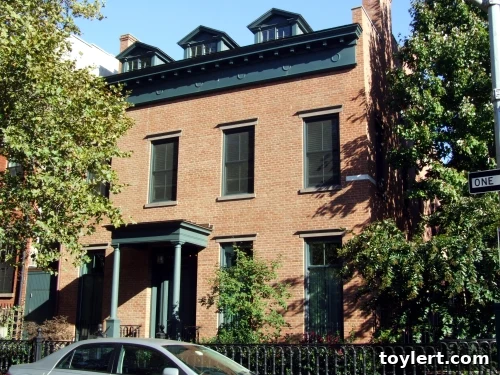
George A. Jarvis House: A Timeless Legacy on Henry Street
Brooklyn, One Building at a Time: Exploring 491 Henry Street
Nestled within the picturesque and historically rich enclave of Cobble Hill, Brooklyn, stands an architectural marvel that whispers tales of a bygone era: the George A. Jarvis House at 491 Henry Street. This magnificent brownstone is more than just a residence; it is a tangible link to Brooklyn’s vibrant past, a testament to exquisite 19th-century craftsmanship, and a cherished landmark that continues to captivate onlookers. Its stately presence on one of Cobble Hill’s most coveted streets exemplifies the enduring charm and historical depth that define this beloved New York City neighborhood.
The George A. Jarvis House, a name synonymous with early Brooklyn prominence, offers a compelling glimpse into the lives of the city’s influential residents and the architectural trends of the mid-1800s. Its well-preserved facade, intricate detailing, and commanding structure invite admirers to pause and appreciate the meticulous artistry that went into its creation. From its origins to its present-day role as a beacon of architectural heritage, 491 Henry Street stands as a silent storyteller, recounting chapters of urban development, social evolution, and design excellence that shaped the very fabric of Brooklyn.
The Legacy of George A. Jarvis and 491 Henry Street
A Glimpse into the Visionary: Who Was George A. Jarvis?
While the house itself is the star, understanding the individual behind its namesake adds a layer of historical depth. George A. Jarvis was a notable figure in 19th-century Brooklyn, often associated with the burgeoning mercantile and financial sectors that fueled the city’s rapid growth. Like many successful merchants and entrepreneurs of his time, Jarvis sought to establish a residence that reflected his prosperity, social standing, and appreciation for fine design. Though specific records linking him directly to the construction of 491 Henry Street might vary, the house embodies the spirit and aspirations of individuals like Jarvis who were instrumental in transforming Brooklyn from a collection of towns into a thriving metropolitan borough. The decision to build on Henry Street, a prestigious address even then, underscores the desire for a home that combined both comfort and a prominent location within the developing urban landscape.
A Chapter in Time: Construction and Early Years
The George A. Jarvis House likely emerged from the architectural boom that swept through Brooklyn in the mid-19th century, particularly during the 1850s and 1860s. This period saw the rapid expansion of residential neighborhoods, with brownstones becoming the quintessential symbol of urban sophistication. Builders and architects of the era were adept at translating popular European styles, such as Italianate and Greek Revival, into the American context, often utilizing the readily available brownstone material. The construction of 491 Henry Street would have been a significant undertaking, employing skilled artisans—masons, carpenters, ironworkers—whose collective efforts resulted in a dwelling of exceptional quality and enduring appeal. In its early years, the house would have witnessed the bustling street life of Cobble Hill, the arrival of new technologies, and the ever-evolving social customs of a rapidly modernizing city.
Architectural Splendor: The Distinctive Features of 491 Henry Street
Embracing the Italianate Style: A Masterpiece of Design
The George A. Jarvis House stands as a quintessential example of the Italianate architectural style, a popular choice for Brooklyn brownstones of its period. This style, drawing inspiration from 16th-century Italian Renaissance villas, is characterized by its emphasis on verticality, grand proportions, and decorative elements. At 491 Henry Street, this translates into a facade adorned with classic Italianate features: tall, narrow windows, often featuring elegant architraves or elaborate cornices, and a prominent, often ornate, stoop leading to the main entrance. The overall effect is one of refined elegance and a sense of architectural grandeur that perfectly suits its historic setting. This style provided a welcome departure from the more restrained Greek Revival designs, allowing for greater ornamentation and a more picturesque appearance.
Exterior Details: Craftsmanship in Stone and Iron
A closer look at the exterior of 491 Henry Street reveals a wealth of meticulously crafted details. The rich, warm tones of the brownstone facade are complemented by delicate carvings and robust structural elements. The entryway, typically a focal point of Italianate homes, likely features a heavy wooden door, possibly with carved panels and original hardware, flanked by decorative pilasters or columns. The stoop itself, often an elaborate affair of stone and wrought iron, serves as both an architectural statement and a social threshold. Above, the windows are likely adorned with decorative lintels or hoods, and perhaps even segmental arches, adding visual interest. The cornice, projecting beyond the main wall, often features decorative brackets or modillions, casting intriguing shadows and providing a graceful crown to the building. Intricate ironwork on railings, fences, or window guards further enhances the facade’s charm, showcasing the skilled handiwork of the era’s metalworkers.
Echoes of Grandeur: Interior Design and Period Character
While the interior of the George A. Jarvis House is not directly visible from the street, one can imagine the opulent and functional spaces within, typical of a mid-19th-century brownstone of this stature. Original period interiors would likely have boasted high ceilings, intricate plasterwork, decorative fireplaces with marble mantels, and elegant hardwood floors. Expansive parlors would have offered generous spaces for entertaining, while dining rooms would have been designed for formal gatherings. The layout would have prioritized natural light, with large windows illuminating spacious rooms. Architectural details such as pocket doors, elaborate newel posts on grand staircases, and built-in cabinetry would have added to the home’s functional beauty and underscored the sophisticated lifestyle of its early inhabitants. Even today, these original elements, where preserved, speak volumes about the quality of life and design sensibilities of the Victorian era.
Location and Context: Cobble Hill’s Enduring Charm
Henry Street: A Stroll Through Brooklyn’s Past
Henry Street itself is a cornerstone of Cobble Hill’s appeal. Lined with mature trees and an impressive collection of well-preserved brownstones, it offers a visual narrative of Brooklyn’s architectural evolution. Walking along Henry Street, particularly in the vicinity of 491, one is transported back in time, away from the modern bustle of the city. The street’s quiet dignity and consistent architectural rhythm make it a prime example of urban planning from the 19th century, where residential blocks were designed not just for housing, but to create a cohesive and aesthetically pleasing environment. The proximity to local shops, charming cafes, and leafy parks further enhances its desirability, making it one of Brooklyn’s most sought-after addresses.
The Cobble Hill Neighborhood: A Historic Enclave
The George A. Jarvis House is perfectly situated within Cobble Hill, a neighborhood celebrated for its historic district status and its vibrant, community-oriented atmosphere. Originally part of colonial farmland, Cobble Hill developed into a residential area in the mid-19th century, attracting a mix of professionals and merchants. Its carefully preserved streetscapes, characterized by rows of Federal, Greek Revival, and Italianate brownstones, have earned it widespread recognition and protection. The neighborhood’s charm extends beyond its architecture to its inviting public spaces, community gardens, and independent businesses that foster a strong sense of local identity. Cobble Hill’s commitment to preserving its heritage ensures that architectural treasures like 491 Henry Street will continue to be appreciated by future generations.
Brooklyn’s Brownstone Legacy: More Than Just Homes
The brownstone, exemplified by the George A. Jarvis House, is more than just a type of building; it’s an icon of Brooklyn. These homes represent a pivotal era of urban development, when Brooklyn established its unique character separate from Manhattan. They embody a particular lifestyle, a connection to community, and a commitment to architectural quality that has become synonymous with the borough’s identity. The enduring popularity and value of brownstones like 491 Henry Street speak to their timeless design, robust construction, and the intangible sense of history they carry. They are living museums, each brick and pane of glass contributing to the larger narrative of Brooklyn’s architectural prowess and cultural significance.
Preservation and Modern Significance: Guarding a Timeless Treasure
The Importance of Architectural Preservation in New York City
The continued existence and excellent condition of homes like the George A. Jarvis House highlight the critical importance of architectural preservation. In a city constantly evolving, safeguarding historic structures provides vital links to our past, enriching our understanding of urban development and cultural heritage. Preservation efforts ensure that the unique character of neighborhoods like Cobble Hill is maintained, offering a counterpoint to modern development and retaining the diverse architectural tapestry that makes New York City so special. These efforts are not merely about aesthetics; they are about conserving stories, craftsmanship, and the very soul of a community.
491 Henry Street Today: A Living Landmark
Today, the George A. Jarvis House at 491 Henry Street continues to serve as a private residence, embodying the continuity of life within a historic context. Its stately facade, meticulously maintained, stands as a testament to the appreciation of its current inhabitants for its architectural and historical value. The house contributes significantly to the visual integrity of the Cobble Hill Historic District, drawing admirers and photographers alike. It serves as a daily reminder of the elegance and ambition of 19th-century Brooklyn, a silent guardian of tradition in a constantly evolving urban landscape.
Contributing to the Community’s Identity
Beyond its individual beauty, the George A. Jarvis House contributes immeasurably to the collective identity of Cobble Hill. It is one piece of a larger mosaic of historic buildings that together create the neighborhood’s distinctive charm and sense of place. These homes foster a strong community pride, encouraging residents and visitors to explore and cherish the architectural heritage that surrounds them. As a significant example of Italianate brownstone architecture, 491 Henry Street reinforces Cobble Hill’s reputation as a premier destination for those seeking historical depth, architectural beauty, and a vibrant, yet peaceful, urban living experience.
The George A. Jarvis House at 491 Henry Street is more than an address; it is a cherished icon of Brooklyn’s architectural legacy. Its timeless design, rich history, and prominent location within the captivating Cobble Hill neighborhood ensure its place as a significant landmark. As we admire its enduring beauty, we are reminded of the craftsmanship of the past and the importance of preserving these architectural jewels for future generations to appreciate and cherish.