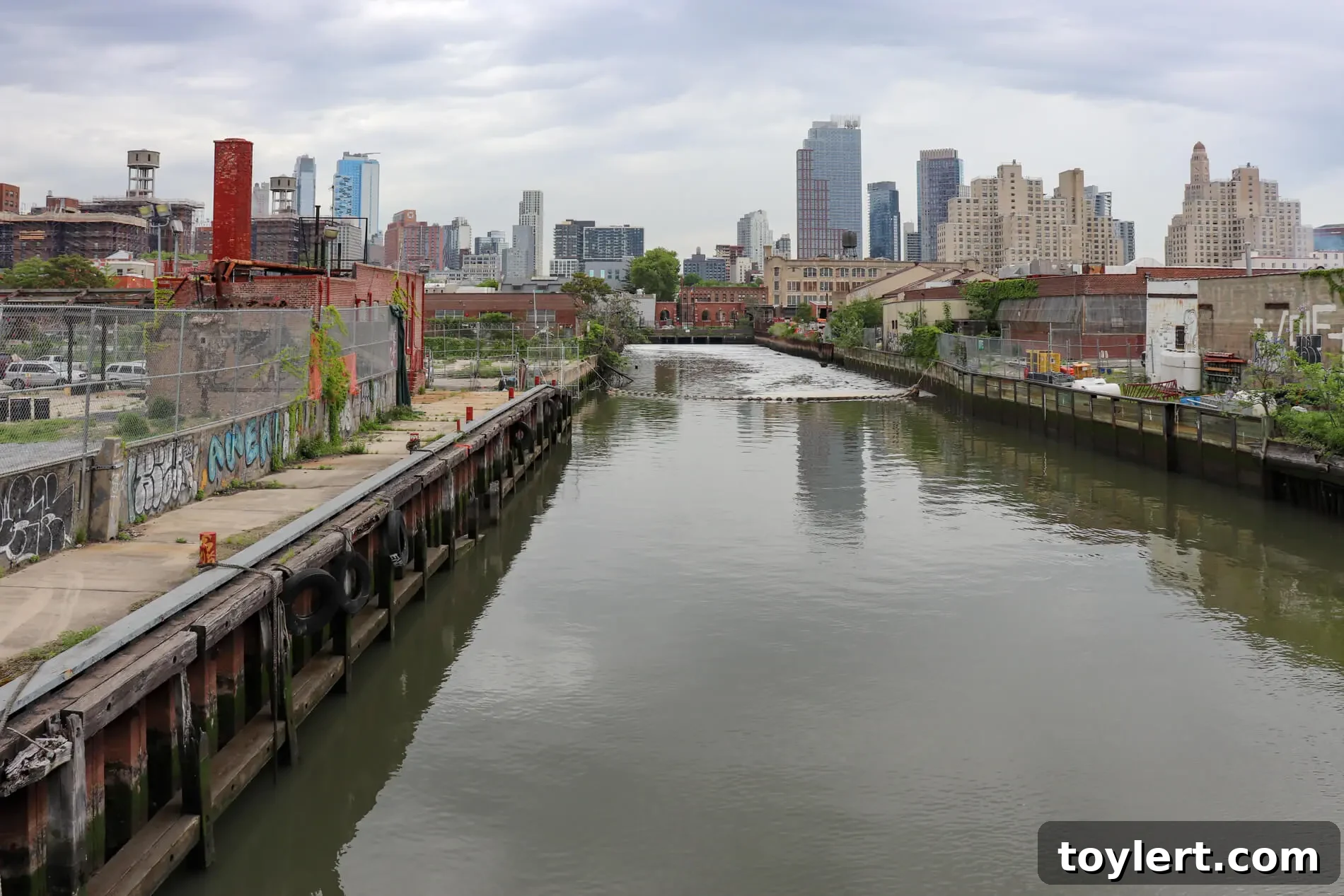
Gowanus Rezoning: Unveiling the Blueprint for a Transformed Waterfront
The long-anticipated journey toward a reimagined Gowanus has taken a significant step forward with the release of the Draft Zoning Proposal. This comprehensive document crystallizes a vision for the future of this iconic Brooklyn neighborhood, translating years of community dialogue and planning efforts into a concrete plan for development. Building upon the foundational framework introduced in June 2018, the proposal outlines a dynamic transformation, promising higher-density mixed-use development, expanded public access, and a commitment to permanently affordable housing along the historic Gowanus Canal.
For decades, Gowanus has existed at a crossroads—a blend of its industrial past, a burgeoning artistic community, and the persistent environmental challenges of its namesake canal, a federal Superfund site. The rezoning initiative is not merely about changing building heights; it’s about fundamentally reshaping the neighborhood’s character, infrastructure, and public spaces, aiming to foster a more resilient, equitable, and vibrant community for generations to come. This draft proposal represents a pivotal moment, laying out the detailed strategies to balance economic growth with environmental stewardship and social equity.
The Evolution of a Vision: From Framework to Formal Proposal
The current Draft Zoning Proposal is not a sudden invention but rather the culmination of extensive preliminary work. Its roots trace back to a framework report initially released in June 2018 by the Department of City Planning (DCP), which first articulated broad objectives for the Gowanus area. That initial framework outlined the need for strategic growth, improved connectivity, and a renewed relationship with the Gowanus Canal. The Draft Zoning Proposal now takes those conceptual ideas and translates them into specific zoning district changes, land use regulations, and urban design guidelines.
The transition from a conceptual framework to a formal zoning proposal involves intricate legal and planning processes. It reflects careful consideration of environmental impact, infrastructure capacity, and, crucially, community input garnered over numerous workshops, meetings, and public forums. This iterative approach ensures that the proposed changes are not only technically sound but also responsive to the unique needs and aspirations of Gowanus residents and stakeholders. The detailed nature of this draft provides an unparalleled look into how the city intends to manage growth, encourage mixed-use environments, and address critical housing and public space needs within this unique urban landscape.
Key Pillars of the Gowanus Draft Zoning Proposal
The Draft Zoning Proposal encompasses several crucial components designed to guide the neighborhood’s evolution. These pillars collectively aim to create a cohesive, functional, and attractive urban environment that serves both current and future residents.
1. Strategic Mixed-Use Development and Increased Density
A cornerstone of the proposal is the strategic allowance for higher-density mixed-use development, particularly concentrated around key corridors like Thomas Greene Playground and 3rd Avenue. This approach is intended to create dynamic hubs where residential, commercial, and community facilities coexist, fostering lively streetscapes and reducing the reliance on single-use districts. Mixed-use zoning promotes walkability, encourages local businesses, and creates opportunities for residents to live, work, and recreate within close proximity.
The increase in density is carefully planned to support the area’s evolving infrastructure and public transit options, such as the nearby subway lines. By concentrating growth in specific areas, the proposal aims to preserve the character of adjacent lower-density residential blocks while injecting new life and economic activity into formerly industrial zones. This balanced approach seeks to transform underutilized lots into vibrant community assets, bringing new housing options, retail spaces, and employment opportunities to the Gowanus corridor.
2. A Vision for a Vibrant, Accessible, and Resilient Waterfront
Perhaps one of the most transformative elements of the proposal is its ambitious vision for the Gowanus Canal waterfront. The draft explicitly calls for the creation of “a vibrant, accessible, resilient, and diverse waterfront.” This is a significant departure from the canal’s historical role as a purely industrial waterway. The plan envisions the canal transforming into a public amenity, a green ribbon threading through the community, offering recreational opportunities and a deeper connection to nature.
Achieving this vision involves several key strategies. Public access will be significantly expanded, with new esplanades, promenades, and landscaped areas running along the canal’s edges. These public spaces are designed to provide active and passive recreation opportunities, from strolling and cycling to simply enjoying the waterfront views. Crucially, the concept of “resilience” in this context addresses the historical environmental challenges of the Gowanus Canal, aiming to integrate sustainable design practices and climate change adaptation measures into all new waterfront developments, especially concerning flood mitigation and green infrastructure.
3. Mandatory Inclusionary Housing (MIH) for Permanent Affordability
Central to the goal of creating a “diverse” waterfront and an equitable community is the implementation of Mandatory Inclusionary Housing (MIH). This policy is designed to ensure that a portion of all new residential developments includes permanently affordable housing units. For Gowanus, MIH is a critical tool to prevent displacement, preserve socioeconomic diversity, and ensure that the benefits of redevelopment are shared across all income levels.
Under MIH, developers constructing new residential buildings in designated areas are required to set aside a certain percentage of units for households earning below the area median income (AMI). These units remain affordable in perpetuity, offering long-term stability for residents. This commitment to affordable housing is not merely an add-on; it’s an integral component of the rezoning, reflecting a broader city-wide strategy to address New York City’s housing crisis and create more inclusive neighborhoods amidst significant growth.
4. Enhancing Open Space and Connectivity
In exchange for increased development capacity, the proposal mandates the creation of more open space. This includes not only the public access areas directly alongside the shore or water edges but also “upland connections” and “visual corridors” to the canal via pedestrian walkways. These elements are vital for integrating the waterfront into the broader neighborhood fabric.
Upland connections refer to pathways and green spaces that extend from the canal into the surrounding blocks, ensuring that residents beyond the immediate waterfront can easily access and enjoy the canal’s amenities. Visual corridors are strategically planned open spaces or building setbacks that preserve sightlines to the canal, reinforcing its presence as a central feature of the neighborhood. Together, these open space provisions aim to improve pedestrian experiences, enhance neighborhood aesthetics, and provide much-needed green infrastructure in a dense urban environment, contributing to better air quality, stormwater management, and overall community well-being.
Addressing the Challenges: Environment, Infrastructure, and Community
The Gowanus rezoning is not without its complexities and challenges, many of which the Draft Zoning Proposal endeavors to address. The most prominent is the ongoing environmental remediation of the Gowanus Canal, a designated Superfund site. Any development in the area must proceed in careful coordination with the Environmental Protection Agency (EPA) to ensure that the cleanup efforts are not jeopardized and that new construction adheres to the highest environmental standards. The concept of a “resilient” waterfront is inherently tied to mitigating and adapting to these environmental realities.
Infrastructure is another critical consideration. A significant increase in residential and commercial density will naturally place greater demands on existing services, including public transit, schools, sewers, and utilities. The proposal implicitly acknowledges the need for concurrent infrastructure investments and upgrades to support the projected growth. Community organizations and local residents have consistently voiced concerns about potential overcrowding, increased traffic, and the capacity of local schools, all of which are vital aspects that require ongoing dialogue and strategic planning beyond the initial zoning changes.
Moreover, the specter of gentrification and displacement is a constant concern in rapidly developing neighborhoods. While Mandatory Inclusionary Housing is a powerful tool to create affordable units, ensuring that existing residents and small businesses can thrive amidst significant transformation remains a key challenge that requires ongoing community engagement and supportive policies.
The Road Ahead: Public Review and Implementation
The release of the Draft Zoning Proposal marks a crucial stage in the Uniform Land Use Review Procedure (ULURP), the formal public review process for zoning changes in New York City. This process involves reviews by the local Community Board, the Borough President, the City Planning Commission, and ultimately, the City Council. Each step provides opportunities for public input, debate, and potential modifications to the proposal.
The outcome of this process will determine the final shape of Gowanus. The proposal reflects a profound commitment to transforming a historically industrial area into a dynamic, mixed-income, and environmentally conscious neighborhood. It is a bold vision that seeks to balance the imperatives of growth and development with the critical needs for affordability, public space, and ecological restoration. As Gowanus moves forward, the successful implementation of this vision will depend on sustained collaboration among city agencies, developers, and, most importantly, the vibrant community that calls Gowanus home.