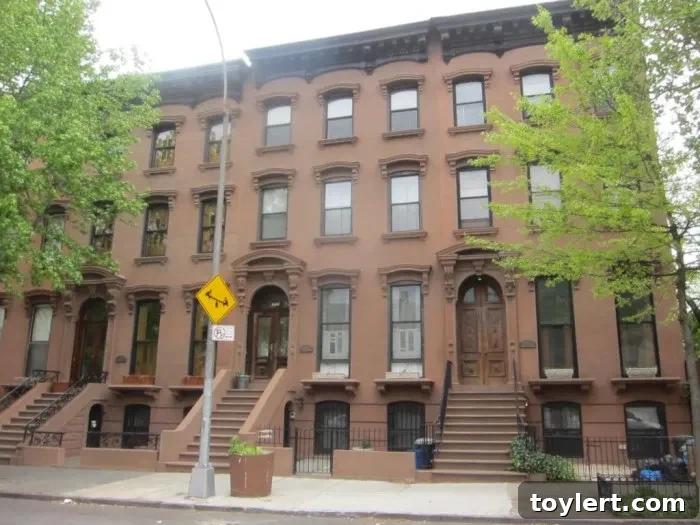
Discovering Brooklyn’s Architectural Soul: A Deep Dive into 257 Clermont Avenue
Brooklyn, New York, is a borough renowned for its vibrant culture, diverse communities, and, perhaps most strikingly, its magnificent architectural heritage. Among the numerous structures that tell the story of this iconic borough, the classic row house stands as a timeless symbol of its past and present. Each building, with its unique facade and history, contributes to the rich tapestry that makes Brooklyn truly special. This article takes a closer look at one such gem, 257 Clermont Avenue, offering an in-depth exploration of its architectural significance, historical context, and enduring appeal within the dynamic landscape of Brooklyn.
For those fascinated by urban history and architectural beauty, the row houses of Brooklyn are an endless source of wonder. These interconnected dwellings, often crafted from distinctive brownstone or brick, line tree-shaded streets, creating a sense of continuity and grandeur that has defined residential life in the borough for over a century. They are more than just buildings; they are monuments to the craftsmanship, aspirations, and evolving tastes of generations. Focusing on individual properties, like the elegant row house at 257 Clermont Avenue, allows us to appreciate the intricate details and broader narratives woven into Brooklyn’s streetscape.
The Iconic Brooklyn Row House: A Legacy in Stone and Brick
The term “Brooklyn row house” conjures images of stately homes with stoops, ornate cornices, and charming bay windows. These residences emerged primarily in the 19th century, designed to accommodate the rapidly growing population of a burgeoning city. Builders and architects adapted various European styles, including Italianate, Neo-Grec, Romanesque Revival, and Queen Anne, creating a distinctively American urban aesthetic. While sharing common characteristics such as a narrow footprint and shared side walls, each row house often boasts unique decorative elements that distinguish it from its neighbors.
These homes were built with a keen eye for both function and form. The multi-story layout typically included a garden level for service and utilities, a grand parlor floor for entertaining, and upper floors for private family quarters. The elevated stoop, a signature feature, served not only as an elegant entrance but also provided a buffer from the street, offering privacy and a sense of arrival. Materials like locally quarried brownstone became incredibly popular for their rich color and ease of carving, contributing to the luxurious feel of many Brooklyn neighborhoods.
The enduring appeal of Brooklyn row houses lies not only in their aesthetic charm but also in their robust construction and adaptability. Many have withstood the test of time, evolving with the needs of their inhabitants while retaining their original character. They represent a tangible link to Brooklyn’s golden age, a period of immense growth and prosperity that shaped the borough into the cultural powerhouse it is today.
257 Clermont Avenue: A Glimpse into History
Situated in one of Brooklyn’s most architecturally significant areas, 257 Clermont Avenue stands as a superb example of a classic Brooklyn row house. While specific historical records for every single residential building can be elusive, the style and location of this property allow us to infer much about its origins and the era in which it was constructed. Clermont Avenue, particularly in neighborhoods like Fort Greene or Clinton Hill, is known for its exquisite collection of 19th-century residences, each telling a piece of Brooklyn’s storied past.
The image provided of 257 Clermont Avenue reveals a building that embodies the quintessential characteristics of its kind. Its facade, likely brownstone or a combination of brick and stone, presents a stately presence on the street. The careful detailing around windows and cornices, typical of the period, speaks to a commitment to craftsmanship that is rarely seen in modern construction. This building, like many of its peers, was designed not just as a dwelling but as a statement of prosperity and taste, reflecting the aspirations of its original owners.
Architectural Marvels: Unpacking 257 Clermont Avenue’s Features
An in-depth look at 257 Clermont Avenue reveals several architectural elements that are hallmarks of its era. The building likely showcases features such as:
- The Stoop: A prominent stoop, possibly with intricate ironwork railings, leads to the main entrance on the parlor floor. This elevated entry provides a graceful transition from the public sidewalk to the private residence, offering a sense of grandeur and privacy.
- Facade Materials: The building’s exterior material is crucial to its character. Whether it’s the warm, earthy tones of brownstone or meticulously laid brick with stone trim, the choice of material reflects the prevalent building trends and available resources of the time. The details carved into the stone or molded in the brickwork offer clues to its specific architectural style.
- Window Treatments: The windows often feature decorative lintels, sills, or arched surrounds, which can indicate an Italianate or Neo-Grec influence. Large windows on the parlor floor would have been designed to maximize natural light and offer views of the street, while those on upper floors maintained a balance of light and privacy.
- Cornice: The roofline is typically capped by an elaborately decorated cornice, often made of metal or wood, which adds a decorative flourish and helps protect the facade from the elements. The design of the cornice can be a strong indicator of the building’s architectural style and age.
- Interior Layout: While not visible from the exterior, the interior of such a row house would typically feature high ceilings, original wood flooring, elaborate plasterwork, and perhaps multiple fireplaces, all designed to create a sophisticated and comfortable living environment.
These elements combine to create a coherent and aesthetically pleasing design that contributes significantly to the street’s overall charm and historical integrity.
The Craftsmanship Behind the Facade
The construction of a 19th-century Brooklyn row house like 257 Clermont Avenue was a labor of love and skilled craftsmanship. Each stone was meticulously carved, each brick laid with precision, and every decorative element was carefully chosen and installed. Masons, carpenters, ironworkers, and plasterers all contributed their expertise, resulting in homes built to last. This dedication to quality is evident in the remarkable preservation of many of these structures today. The durability and aesthetic appeal of these homes are a testament to the artisans who built them, using traditional techniques that have largely been supplanted by modern, mass-produced methods.
Clermont Avenue’s Rich Heritage: A Neighborhood Story
Clermont Avenue is nestled within areas of Brooklyn known for their profound historical significance. Depending on its exact location, 257 Clermont Avenue might fall within the Fort Greene Historic District or the Clinton Hill Historic District, both celebrated for their preserved streetscapes and architectural integrity. These neighborhoods developed rapidly in the mid-to-late 19th century, attracting a burgeoning middle and upper class who sought elegant homes close to Manhattan but with the tranquility of a more residential setting.
Evolution of Fort Greene and Clinton Hill
Fort Greene, originally named after a Revolutionary War fort, transformed from a rural outpost into a fashionable residential district following the mid-19th century expansion of Brooklyn. The area’s proximity to Prospect Park, the Brooklyn Navy Yard, and later, the cultural institutions of downtown Brooklyn, made it a desirable location for merchants, professionals, and industrialists. Similarly, Clinton Hill evolved into an enclave of grand mansions and sophisticated row houses, particularly attractive to wealthy families associated with the burgeoning industries and commerce of Brooklyn.
The streets of these neighborhoods became showcases for the latest architectural trends, with developers often commissioning leading architects of the day. The result is a diverse yet harmonious collection of buildings, from the ornate Italianate style to the more robust Romanesque Revival, all contributing to a cohesive urban landscape that retains much of its original character.
The Architectural Landscape of the Area
Clermont Avenue is a perfect example of this planned urban development. Walking along the street, one can observe a remarkable consistency in scale and rhythm, punctuated by individual stylistic variations. The street’s character is defined by its elegant residential buildings, tree-lined sidewalks, and sense of community. 257 Clermont Avenue, therefore, is not an isolated structure but an integral part of a larger historical narrative, contributing to the street’s overall charm and architectural significance. It represents a piece of a meticulously planned urban environment, designed to offer both beauty and functionality to its residents.
Preserving Brooklyn’s Legacy
The remarkable survival of structures like 257 Clermont Avenue is not merely by chance. It is largely due to dedicated preservation efforts and the recognition of these buildings’ intrinsic value. Brooklyn’s historic districts, established over the past several decades, play a crucial role in safeguarding these architectural treasures for future generations. These districts ensure that alterations adhere to strict guidelines, maintaining the aesthetic and historical integrity of the streetscape.
The Importance of Historic Preservation
Historic preservation is vital for several reasons. It helps maintain the unique character and identity of a neighborhood, prevents the loss of irreplaceable architectural styles, and provides a tangible link to the past. For residents, living in a historic home offers a sense of connection to history and a unique living experience that cannot be replicated in new constructions. These efforts ensure that the stories embedded in the bricks and stones of buildings like 257 Clermont Avenue continue to be told.
Modern Living in a Classic Setting
Today, historic Brooklyn row houses like 257 Clermont Avenue are highly sought after. They offer a unique blend of classic elegance and modern convenience. While exteriors are carefully preserved, interiors are often renovated to meet contemporary standards, featuring updated kitchens, bathrooms, and smart home technology, all while retaining period details such as fireplaces, crown molding, and original staircases. This blend of old and new creates homes that are both beautiful and eminently livable, appealing to those who appreciate character, craftsmanship, and a vibrant community.
Investing in History: The Value of a Brooklyn Brownstone
The value of a Brooklyn brownstone or brick row house extends far beyond its market price. It represents an investment in history, community, and an unparalleled quality of life. Properties on Clermont Avenue, like 257, benefit from their prime location, architectural beauty, and the desirability of the surrounding neighborhoods. These homes often appreciate significantly in value, making them not just residences but also sound financial investments.
Furthermore, living in a historic home fosters a deeper connection to the urban environment. Residents often become stewards of their buildings, taking pride in their maintenance and contributing to the overall beauty of their block. This sense of shared responsibility strengthens community bonds and ensures that the unique charm of Brooklyn’s historic streets endures.
Conclusion: 257 Clermont Avenue, A Testament to Timeless Beauty
257 Clermont Avenue, though just one building among thousands, serves as a powerful reminder of Brooklyn’s rich architectural legacy. It embodies the elegance, craftsmanship, and historical depth that define the borough’s iconic row houses. From its dignified facade to the implied stories within its walls, this home contributes significantly to the unique character of Clermont Avenue and the broader narrative of Brooklyn’s development.
As we continue to navigate the ever-evolving urban landscape, buildings like 257 Clermont Avenue stand as testaments to timeless beauty and the enduring value of preserving our architectural heritage. They invite us to pause, appreciate the artistry of the past, and connect with the vibrant history that continues to shape one of New York City’s most beloved boroughs. Exploring Brooklyn, one building at a time, allows us to uncover the intricate details and grand narratives that make this borough an architectural marvel.