By Suzanne Spellen (aka Montrose Morris)
The Enduring Legacy of Lefferts Manor: A Deep Dive into Prospect Lefferts Gardens’ Dutch Roots and Architectural Heritage
The esteemed neighborhood of Lefferts Manor, a jewel within Brooklyn’s vibrant Prospect Lefferts Gardens, boasts a history as rich and intricate as its meticulously preserved brownstones. Its very essence, from its distinctive architecture to its enduring community spirit, is deeply rooted in the pioneering spirit of Dutch colonization and the lasting influence of families like the Lefferts. To truly appreciate this remarkable enclave, we must embark on a historical journey back to the early 17th century, a transformative period that set the stage for the borough we know today.
In 1609, the English explorer Henry Hudson, under the employ of the powerful Dutch East India Company, guided his ship, the Half Moon, into what is now the expansive Coney Island Bay. His initial forays led him to a majestic river, which he then diligently navigated northward, fueled by the conviction that he had at last discovered the coveted Northwest Passage to the Far East. Hudson’s voyage extended as far north as modern-day Troy, New York, before the undeniable truth of his geographical miscalculation became apparent. Turning his vessel south, he retraced his course down the magnificent waterway that now proudly bears his name, eventually returning to Holland.
Upon his arrival, Hudson delivered a compelling report to his Dutch employers. He described a pristine land of unparalleled abundance: rich in game, blessed with fertile soil ideal for agriculture, and ripe for both colonization and lucrative trade ventures. This pivotal account galvanized the Dutch, marking the inception of a new era. The Dutch era, though relatively brief in the grand scheme of American history, left an indelible mark, fundamentally shaping the culture, demographics, and urban landscape of New York in ways that are still evident today, particularly in the foundational stories of Brooklyn communities like Prospect Lefferts Gardens.
The Dutch Footprint: Establishing New Netherland and Brooklyn’s Early Settlements
Driven by the promise of newfound wealth and strategic trading opportunities, the Dutch East India Company swiftly acted on Hudson’s discoveries. This led to the establishment of New Netherland, with New Amsterdam (present-day Manhattan) serving as its bustling administrative and commercial heart. However, the Dutch vision extended far beyond the confines of Manhattan Island, encompassing the fertile plains and promising shores across the East River. Early settlements began to sprout in areas that would eventually become Brooklyn’s foundational towns: Flatbush, Flatlands, and Gravesend, among others. These were primarily agricultural communities, characterized by vast tracts of farmland and a distinctive cultural identity that blended European traditions with the unique challenges and opportunities of the New World frontier.
Among the wave of intrepid Dutch immigrants who sought new beginnings in New Netherland was Leffert Pietersen van Haughwout, a figure whose name would become inextricably linked with a significant portion of Brooklyn’s heritage. Arriving in the mid-17th century, Leffert Pietersen quickly distinguished himself as a prominent landowner and a respected member of the community in the burgeoning town of Flatbush. Through judicious land purchases, strategic marriages, and subsequent inheritances, the Lefferts family systematically accumulated vast acreage, much of which formed the very foundation of what we now cherish as Prospect Lefferts Gardens. Their influence transcended mere land ownership; the family actively participated in local governance, spearheaded community development, and even held roles in military affairs, thereby embedding themselves deeply into the social, economic, and political fabric of colonial Brooklyn.
From Rural Estate to Grand Residential Vision: The Genesis of Lefferts Manor
For several generations, the Lefferts family maintained their expansive estate in Flatbush, transitioning from a purely agricultural enterprise to a more pastoral, country retreat as Brooklyn began its slow but inevitable march towards urbanization. By the late 19th and early 20th centuries, as Brooklyn’s population surged and its urban footprint expanded rapidly, the insightful descendants of Leffert Pietersen van Haughwout recognized a golden opportunity. They envisioned transforming a significant portion of their ancestral lands into a meticulously planned residential community that would stand apart from the burgeoning city around it. This was not simply a scheme to sell plots of land; it was an ambitious project to create a neighborhood with a distinct, upscale character, designed to appeal to the burgeoning middle and upper-middle classes of Brooklyn.
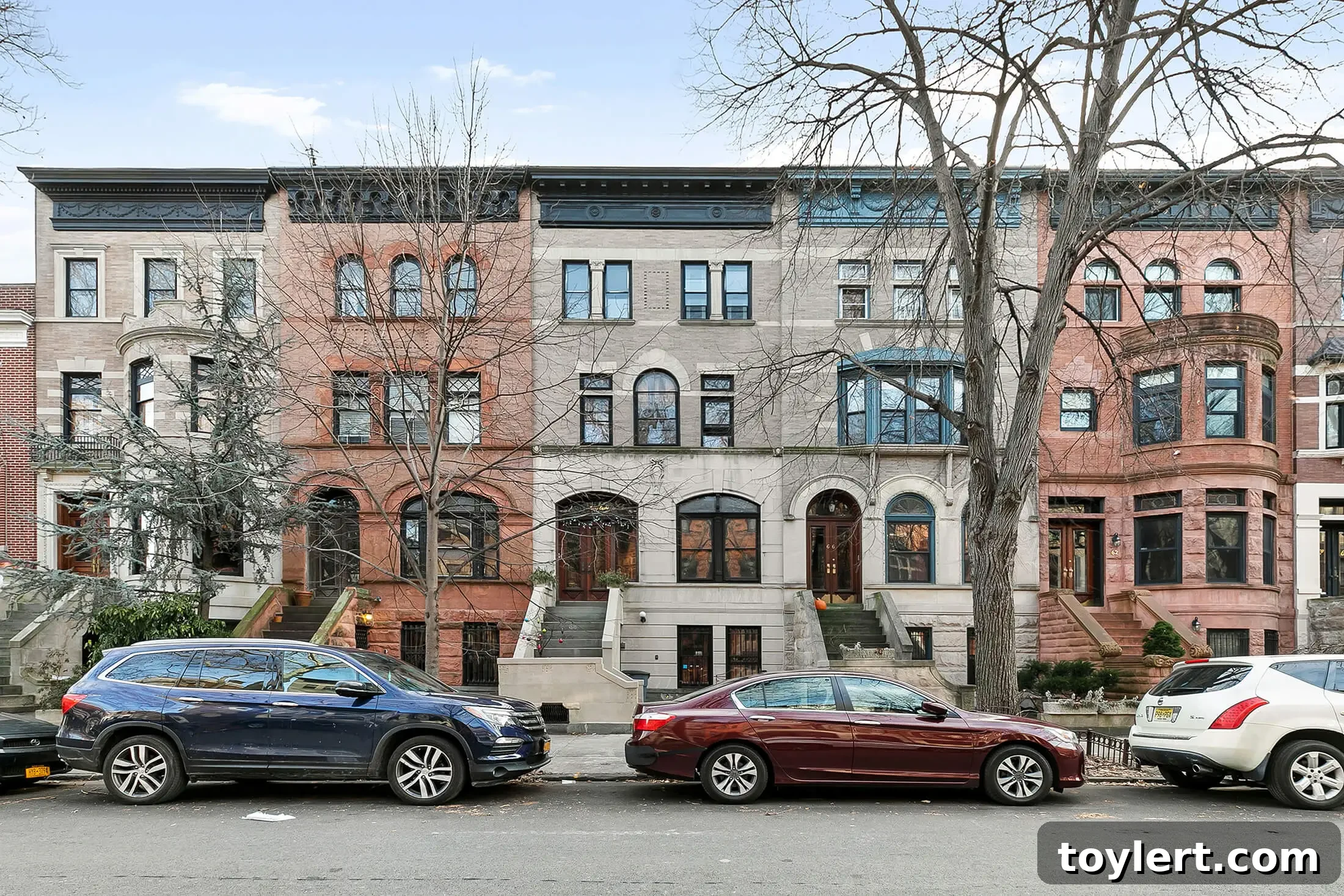
The development of Lefferts Manor was primarily spearheaded by James Lefferts, who, inspired by other carefully curated residential enclaves of the era, aimed to establish a neighborhood renowned for its exceptional architectural quality and enduring appeal. Unlike the often chaotic and unplanned development seen in many other areas of Brooklyn during this period, Lefferts Manor was conceived with a clear aesthetic and social purpose. Central to this vision were the strict architectural guidelines and protective covenants, first established in 1893 and rigorously enforced and reinforced over the subsequent decades. These covenants were groundbreaking for their time, mandating that all homes built within the Manor would be single-family dwellings, constructed primarily of brick or stone, set back uniformly from the street, and adhering to specific design principles that emphasized both quality craftsmanship and a cohesive, elegant appearance. The overarching goal was to create a harmonious streetscape of stately homes, thereby preserving property values and fostering a stable, attractive environment that would appeal to discerning residents for generations to come.
Architectural Heritage and the Power of Enduring Covenants
The architects commissioned to design the homes in Lefferts Manor drew inspiration from a rich palette of popular styles prevalent during the late Victorian and early 20th centuries. This resulted in a diverse yet harmonious collection featuring elements of Queen Anne, Romanesque Revival, Colonial Revival, and Neo-Renaissance architecture. Each street within the Manor is a testament to this thoughtful planning, telling a story through its distinctive architectural detailing, from intricate cornices and grand decorative stoops to inviting bay windows and varied, yet complementary, rooflines. These homes were crafted not only for their aesthetic beauty but also for spaciousness, comfort, and functionality, reflecting the aspirations and lifestyles of the families who chose to make this meticulously planned community their home.
The protective covenants, a defining characteristic of Lefferts Manor, proved remarkably effective in preserving the neighborhood’s unique character and exclusivity. By rigorously controlling what could be built, the materials that could be used, and how properties could be utilized, these covenants successfully prevented the encroachment of multi-family dwellings, commercial establishments, or drastic alterations that might have otherwise detracted from the area’s residential charm and historical integrity. This extraordinary foresight ensured that Lefferts Manor retained its distinctive aesthetic and serene, tree-lined atmosphere, even as the surrounding areas of Brooklyn continued to experience rapid development and densification. Crucially, many of these original covenants remain largely in effect today, standing as a powerful testament to the original visionaries’ unwavering commitment to safeguarding the integrity and appeal of their creation.
Prospect Lefferts Gardens Today: A Historic Gem with Modern Appeal
Today, Prospect Lefferts Gardens, with the historic Lefferts Manor at its heart, stands proudly as one of Brooklyn’s most cherished and historically significant neighborhoods. Its official designation as a historic district by the New York City Landmarks Preservation Commission underscores the community’s profound dedication to preserving its architectural treasures and rich cultural heritage. Residents and visitors alike are consistently drawn to its picturesque, tree-lined streets, where the grandeur of late 19th and early 20th-century architecture is not merely admired but lovingly maintained and celebrated. The neighborhood offers an exceptional blend of historical elegance and contemporary vibrancy, making it an extraordinarily desirable place to live for those who appreciate both past and present.
Beyond its undeniably stunning architecture, Prospect Lefferts Gardens boasts an enviable and highly convenient location. It is perfectly bordered by the sprawling expanse of Prospect Park, Brooklyn’s premier green oasis. This gives residents unparalleled access to a myriad of natural beauty, recreational activities, and diverse cultural events throughout the year. The community itself is renowned for its strong civic engagement, its richly diverse population, and its thriving ecosystem of local businesses, which include charming cafes, unique independent shops, and vibrant eateries that cater to a wide array of tastes. Furthermore, excellent transportation links, including multiple subway lines, seamlessly connect residents to Manhattan and other vital parts of Brooklyn, significantly enhancing its overall appeal and accessibility.
For individuals and families seeking to establish a home in a neighborhood steeped in history yet brimming with modern conveniences and a strong sense of community, Prospect Lefferts Gardens presents an exceptional opportunity. The allure of owning a tangible piece of Brooklyn’s storied past, particularly within the meticulously preserved and architecturally significant Lefferts Manor, continues to attract discerning homebuyers who value character, history, and a high quality of life. Navigating this unique and often competitive real estate market requires not only an appreciation for its deep historical roots but also the strategic guidance of seasoned professionals who possess an intimate understanding of its specific nuances.
Connecting Past and Present: Expert Guidance in Brooklyn’s Historic Real Estate
The remarkable journey from Henry Hudson’s initial explorations to the carefully crafted and vibrant streets of Lefferts Manor is a profound testament to Brooklyn’s continuous and dynamic evolution. This rich narrative, woven from threads of Dutch heritage, the influence of pioneering families, and visionary urban planning, culminates in a neighborhood that offers a truly distinct and unparalleled living experience. For prospective homeowners and astute investors, an in-depth understanding of this layered history is absolutely essential to fully appreciating the intrinsic and lasting value of properties within Prospect Lefferts Gardens.
When considering a significant investment in a historic and covenant-protected area like Lefferts Manor, the invaluable expertise of a trusted real estate advisor cannot be overstated. Professionals who possess an in-depth understanding of the local history, the architectural significance of various property styles, and the intricate details of historic district regulations can provide indispensable guidance to buyers throughout every stage of the process. They play a crucial role in connecting individuals with homes that not only perfectly align with their modern needs and lifestyle preferences but also deeply resonate with the area’s rich and storied past, ensuring a harmonious blend of old and new.
Whether you are captivated by the elegant brownstones, drawn to the vibrant, diverse community, or enticed by the unparalleled access to the expansive beauty of Prospect Park, Prospect Lefferts Gardens unequivocally remains a beacon of Brooklyn’s historical and architectural splendor. It is a unique and cherished place where centuries of history seamlessly converge with the demands and pleasures of contemporary urban living, offering a rare and exceptional opportunity to own a cherished piece of New York’s enduring legacy.