Transforming Downtown Brooklyn: The Rise of a New Residential Landmark at 300 Livingston Street
Downtown Brooklyn is a district constantly redefining its skyline and urban fabric. At the heart of this dynamic evolution lies the significant transformation at 300 Livingston Street. What once stood as a block-long parking lot, flanked by familiar retail establishments, has now been completely cleared, making way for an ambitious new chapter in the area’s development story. This pivotal site is set to welcome a modern, 25-story apartment building, a testament to Brooklyn’s relentless growth and its continued appeal as a premier urban living destination.
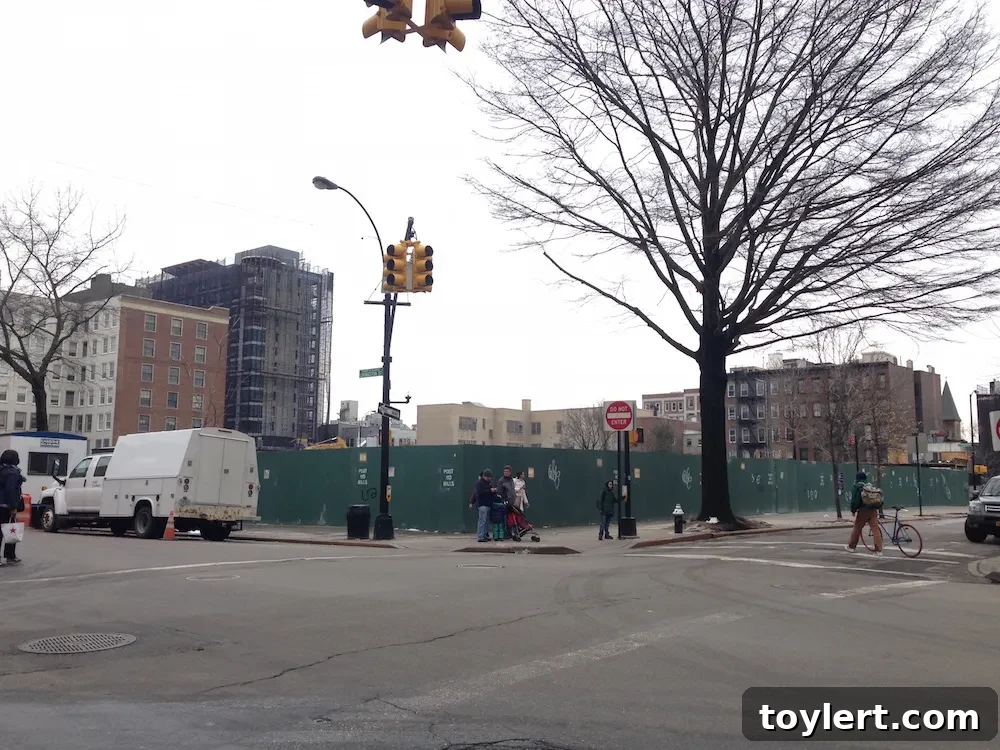
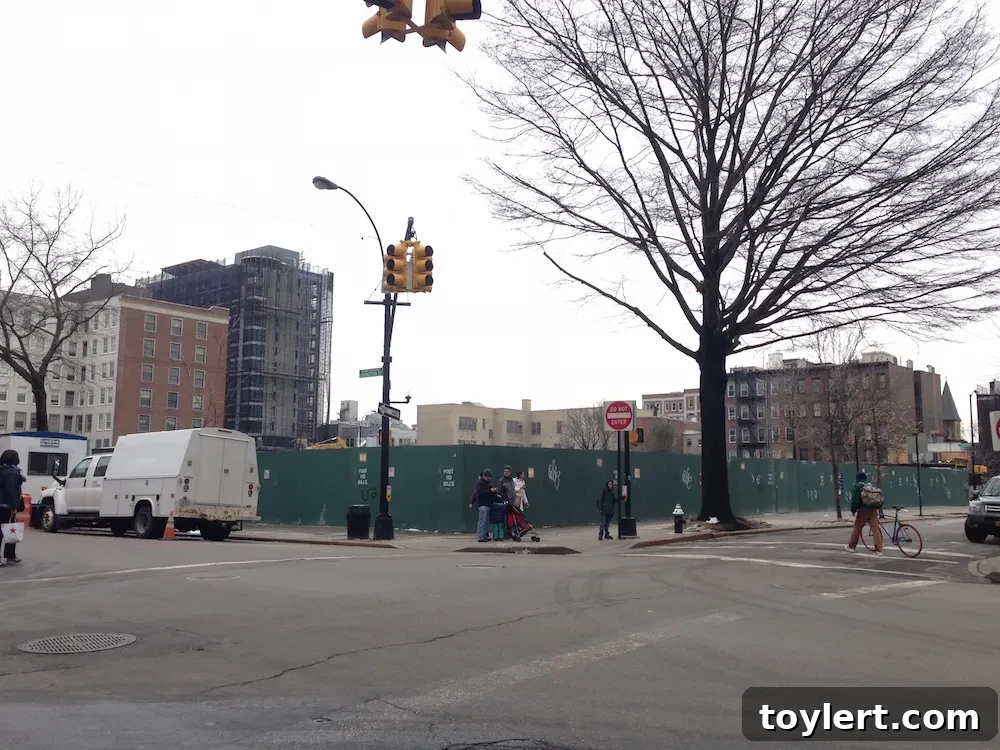
The developer behind this exciting project is TF Cornerstone, a name synonymous with large-scale, impactful urban developments across New York City. Their vision for 300 Livingston Street promises not just new residential units, but a complete reimagining of the site, contributing significantly to the vibrancy and functionality of one of Brooklyn’s most rapidly expanding neighborhoods. As residents and visitors alike have observed, the meticulous demolition process has erased the old structure, setting a clean slate for what is poised to become a prominent feature of the Downtown Brooklyn landscape.
A Pivotal Transformation: From Utilitarian Space to Premier Residence
For many years, 300 Livingston Street served a practical purpose, offering much-needed parking in a dense urban environment, alongside convenient ground-floor retail. This functional block, however, represented an underutilized asset in a district craving more residential and mixed-use spaces. The decision to demolish the existing structure underscores a broader trend in urban planning: to maximize density and utility in prime locations, converting single-purpose sites into multi-faceted living and commercial hubs.
The complete demolition of the former parking lot and its accompanying shops marks a significant milestone in this urban renewal effort. The site, once a patchwork of asphalt and low-rise commercial facades, is now a wide-open canvas, ready to support the foundations of a towering residential complex. This transformation is not merely about construction; it symbolizes the shift in Downtown Brooklyn’s identity from a primarily commercial and administrative center to a diverse, residential community, offering an enticing blend of convenience, culture, and connectivity.
TF Cornerstone, with its impressive portfolio of successful developments, is well-positioned to bring this vision to life. Their expertise in creating residential and mixed-use properties that resonate with contemporary urban dwellers will be crucial in shaping 300 Livingston Street into a desirable address. The development signifies more than just a new building; it represents an investment in the future of Downtown Brooklyn, enhancing its appeal for residents seeking modern amenities, excellent transit access, and a lively neighborhood experience.
The Vision for 300 Livingston Street: TF Cornerstone’s Blueprint for Modern Living
The proposed 25-story apartment building at 300 Livingston Street is expected to be a beacon of contemporary urban design, seamlessly integrating into Downtown Brooklyn’s evolving architectural narrative. While specific design details and unit counts are often refined throughout the development process, TF Cornerstone’s projects typically feature sleek, modern aesthetics, high-quality finishes, and thoughtful layouts designed to maximize space and natural light. We can anticipate an architectural style that employs a sophisticated interplay of glass, steel, and other modern materials, reflecting the dynamism of the surrounding area.
Architectural Design and Residential Offerings
The building’s façade will likely contribute to the increasingly sophisticated skyline of Downtown Brooklyn, adding another distinctive profile to the cluster of towers that define the district. Architects often aim for designs that offer both visual appeal and environmental efficiency, incorporating sustainable elements where possible. The structure will not only provide housing but also serve as a visual landmark, further solidifying Livingston Street’s role as a major artery within the neighborhood.
Regarding residential offerings, the 25-story tower is expected to house a diverse range of apartment types to cater to Brooklyn’s varied demographic. This typically includes efficient studios, versatile one-bedroom units, spacious two-bedroom apartments, and potentially a selection of larger three-bedroom residences. Each unit will likely boast modern kitchens with high-end appliances, luxurious bathrooms, and expansive windows offering stunning views of Brooklyn, Manhattan, or the harbor. The design will focus on creating comfortable, functional, and aesthetically pleasing living spaces that meet the demands of discerning urban residents.
Beyond the individual units, modern apartment buildings are defined by their comprehensive suite of amenities. Residents at 300 Livingston Street can anticipate a truly elevated living experience, with features such as a state-of-the-art fitness center, perhaps including yoga studios or spin rooms. Shared communal spaces like resident lounges, co-working facilities, and entertainment rooms are becoming standard, fostering a sense of community. Furthermore, a rooftop terrace with panoramic views, an outdoor grilling area, and green spaces would offer a serene escape from city life. Pet-friendly amenities, bicycle storage, and dedicated concierge services are also highly probable, ensuring convenience and comfort for all residents.
Ground-Floor Retail and Community Integration
A crucial aspect of TF Cornerstone’s plan, aligning with contemporary urban development principles, will be the incorporation of new ground-floor retail spaces. These commercial units are designed to replace the former shops and enhance the pedestrian experience along Livingston Street. By introducing a new array of retail, dining, or service establishments, the development aims to contribute to the street-level vibrancy, making the area more engaging and accessible for residents and the wider community.
This mixed-use approach is vital for fostering a ‘live-work-play’ environment, a hallmark of successful urban districts. The new retail tenants will not only serve the building’s residents but also attract foot traffic from the surrounding blocks, boosting the local economy and creating a more dynamic streetscape. The careful curation of these commercial spaces ensures that they complement the residential character of the building while adding to the diverse offerings of Downtown Brooklyn.
The Evolving Landscape of Downtown Brooklyn
Downtown Brooklyn has experienced an unparalleled boom in recent decades, transforming from a primarily business-oriented district into one of New York City’s most sought-after residential and cultural hubs. This rapid evolution has been fueled by a confluence of factors, including its strategic location with unparalleled access to nearly every subway line, its proximity to Manhattan, and a growing array of cultural institutions, dining, and entertainment options. Projects like 300 Livingston Street are not isolated developments but rather integral components of this broader urban revitalization.
A Hub of Growth and Development
The district’s growth trajectory has been nothing short of extraordinary. What was once characterized by office buildings and government facilities now boasts a glittering skyline dotted with residential towers, luxury condominiums, and stylish rentals. This influx of housing is crucial for New York City, which constantly faces a high demand for residential units. The development at 300 Livingston Street directly addresses this need, providing modern homes in a prime location that appeals to a diverse demographic, from young professionals and families to empty nesters seeking an active urban lifestyle.
The construction and subsequent occupation of new residential buildings injects significant vitality into the local economy. It spurs job creation in the construction sector, supports local businesses through increased consumer spending, and generates substantial property tax revenues for the city, which can then be reinvested into public services and infrastructure. Downtown Brooklyn’s revitalization is a powerful example of how strategic urban planning and private investment can lead to profound economic and social benefits.
Economic and Social Impact
The economic benefits extend beyond just construction jobs. Once completed, the new retail spaces will create permanent employment opportunities. The increased population density also supports a wider variety of local businesses, from independent cafes and boutiques to essential service providers, contributing to a more robust and diverse local economy. This cycle of investment and growth reinforces Downtown Brooklyn’s status as a vibrant economic engine for the borough.
On the social front, the influx of new residents brings a fresh wave of diversity and energy to the neighborhood. This increased population density, while generally positive, also presents challenges and opportunities for supporting infrastructure. Discussions around the need for more green spaces, improved public schools, and enhanced public services are always part of the conversation surrounding such rapid development. TF Cornerstone’s project, like others in the area, is part of a complex urban ecosystem where growth is balanced with community needs, aiming for a sustainable and inclusive future.
Farewell to Familiar Haunts: The Departure and Return of Local Establishments
The transformation of 300 Livingston Street necessitated the closure of several long-standing chain restaurants that had been mainstays in the neighborhood. Last summer, familiar establishments such as IHOP, Subway, and Papa Johns shut their doors, marking the end of an era for patrons who relied on these convenient dining options. The closures preceded the visible signs of impending demolition, as scaffolding soon enveloped the garage in the fall, signaling the irreversible start of the redevelopment process.
For many residents and workers in the area, these eateries provided quick, accessible, and affordable meals. Their departure, while expected as part of large-scale development, highlighted the transient nature of urban commercial landscapes. However, the story of these businesses isn’t entirely one of loss. Notably, IHOP, a beloved breakfast and diner chain, has already made plans to reopen just across the street at 276 Livingston. This relocation is a classic example of urban adaptation, where popular businesses seek to maintain their presence within a transforming neighborhood, demonstrating their commitment to their customer base and the enduring demand for their services.
The ability of businesses like IHOP to find new locations quickly speaks to the resilience and desirability of Downtown Brooklyn as a commercial hub. While the specific outlets for Subway and Papa Johns at 300 Livingston are gone, the broader retail landscape of the area continues to thrive and evolve. The new ground-floor retail at the TF Cornerstone development will undoubtedly introduce fresh dining and shopping options, reflecting contemporary consumer preferences and further diversifying the neighborhood’s commercial offerings. This constant churn of businesses is a characteristic feature of dynamic urban centers, where change often brings new opportunities and revitalized streetscapes.
What This Means for Livingston Street’s Future
The redevelopment of 300 Livingston Street is more than just a single construction project; it is a critical piece in the ongoing mosaic of Downtown Brooklyn’s future. Livingston Street itself is evolving into a vibrant corridor, increasingly characterized by high-rise residential buildings, a diverse array of retail, and enhanced pedestrian amenities. TF Cornerstone’s new apartment building will significantly contribute to this emerging character, creating a denser, more integrated urban environment.
This project will stand alongside other significant developments in the vicinity, collectively reshaping Downtown Brooklyn’s identity as a premier destination for living, working, and leisure. The long-term vision for the area includes a commitment to creating more walkable streets, expanding public transportation options, and fostering a robust local economy. The increased residential population will support a wider range of local businesses, from specialty stores to cultural venues, cementing Downtown Brooklyn’s reputation as a dynamic and desirable place to be.
In conclusion, the transformation at 300 Livingston Street is a powerful symbol of Brooklyn’s continuous evolution. From a functional parking lot to a modern, amenity-rich residential tower, this development by TF Cornerstone represents an exciting step forward in creating a more vibrant, diverse, and sustainable urban core. It underscores New York City’s ongoing commitment to urban renewal, ensuring that its neighborhoods remain at the forefront of contemporary city living. Residents, prospective tenants, and urban enthusiasts alike will keenly watch as this new landmark rises, promising to enrich the tapestry of Downtown Brooklyn for years to come.