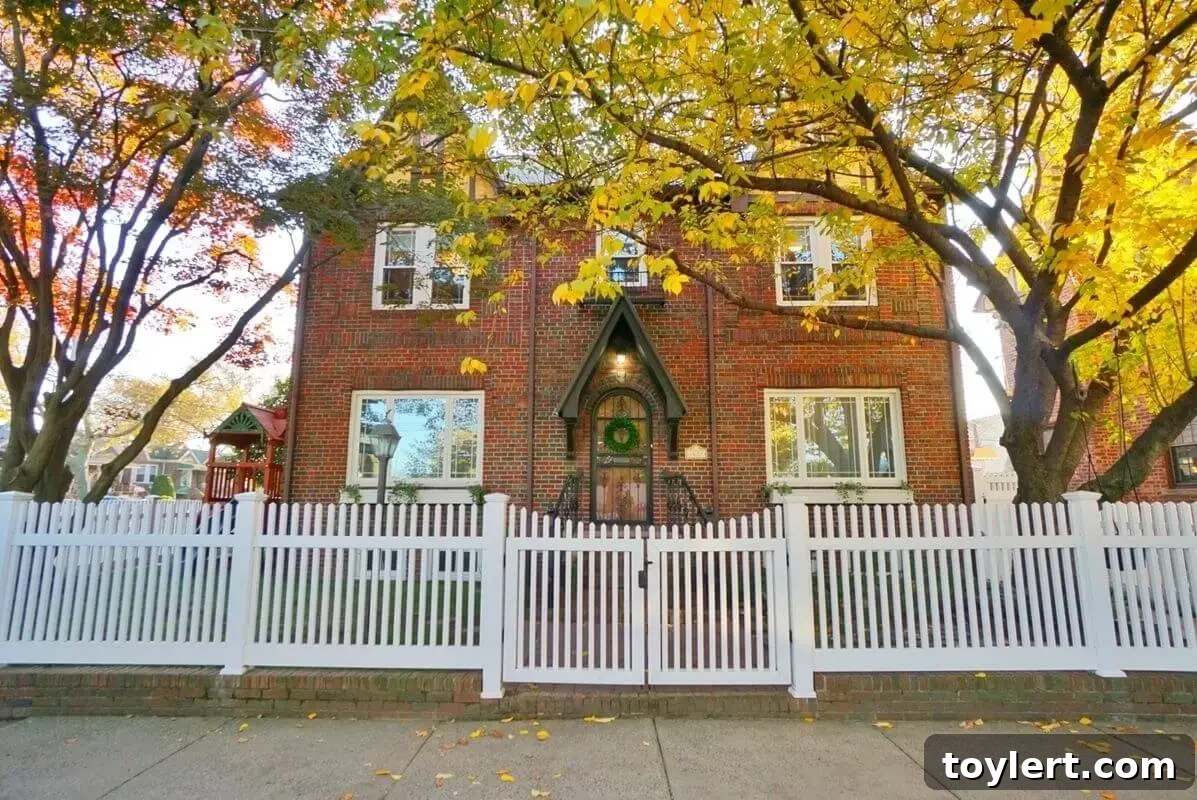
Discover the Timeless Charm of a 1930s Tudor Home in Marine Park, Brooklyn
Nestled within the tranquil and highly sought-after Marine Park neighborhood of Brooklyn, a remarkable piece of architectural history awaits discovery. This exquisite Tudor-style residence, located at 1684 Ryder Avenue, stands as a testament to classic design and enduring craftsmanship from an era defined by attention to detail. From its captivating exterior, reminiscent of an English countryside manor, to the meticulously preserved period details found within, this home offers a unique blend of historical elegance and modern potential, making it a truly exceptional find in today’s dynamic real estate market.
An Enduring Legacy: The Architecture and History of 1684 Ryder Avenue
The standalone single-family house at 1684 Ryder Avenue is not merely a structure; it is a meticulously preserved artifact from 1931, a year when the Stefano Building Company, under the skilled hand of architect G. J. Lobenstein, brought this and its equally charming neighbor to life. These homes were conceived in what was then known as Flatbush Gardens, an area already envisioning the residential appeal it would cultivate for decades to come.
The architectural genius of G. J. Lobenstein is evident in every detail of the Tudor revival style. The exterior boasts a striking combination of robust brickwork, dramatically peaked gables, and decorative half-timbering that adds a distinct storybook quality. This picturesque facade, complete with an attached garage that seamlessly integrates into the overall design, ensures exceptional curb appeal and functional convenience. The careful choice of materials and the intricate detailing speak volumes about the quality of construction that was paramount in its conception, promising a home built to withstand the test of time while maintaining its aesthetic allure.
A glimpse into a 1931 advertisement for these very homes reveals the forward-thinking amenities that were considered luxurious at the time. The ad proudly highlighted features such as electric refrigeration – a groundbreaking innovation for the early 20th century kitchen – alongside colored tiles in both the kitchen and bathroom, a practical cedar closet, and numerous other “modern improvements too numerous to mention.” These details not only underscore the quality of life promised to its original inhabitants but also offer fascinating insights into the domestic aspirations of the era. Owning such a home meant embracing comfort, style, and the very best of contemporary living.
Stepping Inside: A Journey Through Preserved Period Details
Entering 1684 Ryder Avenue is like stepping back in time, yet with all the comforts expected from a cherished family home. The journey begins at the original curved front door, an exquisite piece of craftsmanship adorned with a charming mail slot and an elegant leaded glass window. This grand entrance immediately sets the tone for the classic beauty that unfolds within, beckoning visitors into a world where architectural integrity and timeless design converge.
The home’s thoughtful center hall layout creates an immediate sense of grandeur and provides a natural flow throughout the first floor. This traditional configuration, highly prized for its functional elegance, effortlessly connects the main living spaces while maintaining a sense of privacy. Throughout the entire first floor, discerning eyes will appreciate the rich wood floors, distinguished by their inlaid borders – a clear indicator of superior artistry and the era’s commitment to quality materials. These floors, likely original, possess a warm patina that only decades of history can bestow, adding character and a foundation of enduring beauty to each room.
Gracious Living and Dining Spaces
The heart of the home’s communal spaces lies in its living and dining rooms, each designed for both comfortable daily living and elegant entertaining. The living room, a generous and inviting space, is anchored by a decorative mantel that serves as a focal point. While the specific design of the mantel hints at the prevailing styles of the early 1930s, perhaps incorporating subtle Art Deco influences or traditional Tudor motifs, it undoubtedly evokes a sense of warmth and history. This room, like the adjacent dining room, benefits immensely from two exposures, allowing an abundance of natural light to flood the interiors and offering delightful cross-ventilation, creating bright and airy environments ideal for relaxation and social gatherings.
The dining room, equally bathed in natural light from its dual exposures, provides an ideal setting for intimate family meals and larger celebrations alike. The continuity of the inlaid wood floors and the architectural moldings from the living room ensures a cohesive and sophisticated aesthetic throughout these principal entertaining areas, making them truly special places within the home.
The Charm of a Vintage Kitchen and Beyond
Perhaps one of the most captivating features of 1684 Ryder Avenue is its noteworthy original kitchen. Far from being merely functional, these cabinets are a testament to vintage design and quality construction. Imagine built-in units, possibly featuring classic hardware or unique pull-out elements, crafted from robust wood that has gracefully aged over nearly a century. This kitchen offers a rare opportunity to appreciate the enduring appeal of 1930s culinary spaces, presenting a canvas where modern conveniences could be thoughtfully integrated while respecting its historical character. The mention of colored tiles from the 1931 ad suggests a vibrant and stylish space for its time, a feature that discerning buyers today might cherish and restore to its original glory, or tastefully update while honoring its past.
While the initial descriptions focus on the first floor, a Tudor-style home of this vintage and size typically accommodates three well-proportioned bedrooms on the upper level, offering peaceful retreats for family members. These bedrooms would likely continue the theme of hardwood flooring, providing comfort and easy maintenance. The original bathrooms, as alluded to by the 1931 advertisement’s promise of “colored tiles,” would undoubtedly feature fixtures and finishes characteristic of the era, presenting an opportunity for either a sensitive restoration to highlight vintage charm or a stylish modern upgrade that respects the home’s overall aesthetic.
The presence of a cedar closet, a highly prized feature in the 1930s, underscores the home’s commitment to quality and thoughtful design, providing a natural deterrent for moths and a delightful aroma for stored garments and linens. Such details, often overlooked in contemporary construction, are part of what gives 1684 Ryder Avenue its unique and undeniable character.
Marine Park: A Coveted Brooklyn Enclave
Beyond the impressive architecture of 1684 Ryder Avenue, its location in Marine Park further elevates its appeal. Marine Park is renowned for its tranquil residential streets, strong community spirit, and abundant green spaces, including the expansive Marine Park itself – Brooklyn’s largest park. Residents enjoy access to recreational facilities, serene waterfront views, and a family-friendly atmosphere that makes it a highly desirable place to live. The neighborhood offers excellent schools, local shops, and convenient transportation options, providing a perfect balance of suburban calm with easy access to the vibrant energy of New York City.
This Tudor gem in Marine Park represents more than just a house; it’s an invitation to own a piece of Brooklyn’s rich history. With its stunning exterior, preserved original details, and prime location, 1684 Ryder Avenue is an ideal home for those who appreciate the beauty of classic architecture, the comfort of a well-established neighborhood, and the unique charm that only a home with such a storied past can offer. It stands as a rare opportunity to embrace a timeless lifestyle in one of Brooklyn’s most cherished communities.