Brooklyn’s Dynamic Canvas: Navigating Heritage, Innovation, and Urban Evolution
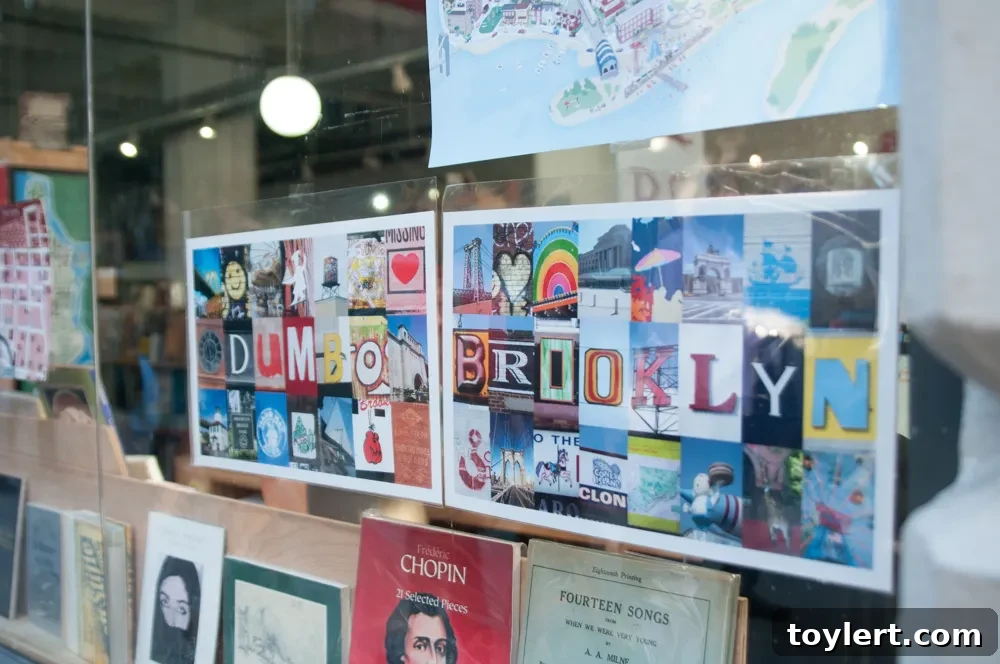
Brooklyn, a borough renowned for its distinctive neighborhoods, rich history, and relentless spirit of innovation, is a living testament to urban evolution. From its cobblestone streets and iconic waterfronts to its burgeoning tech scene and steadfast commitment to community, Brooklyn continues to redefine itself while carefully preserving its unique character. This vibrant tapestry weaves together threads of environmental stewardship, historical preservation, cultural renaissance, and economic dynamism, all contributing to the borough’s enduring appeal. Below, we delve into some of the pivotal developments and ongoing stories that capture the essence of Brooklyn’s multifaceted journey, highlighting both its challenges and remarkable progress. The image above, capturing a cozy bookstore in Dumbo, perfectly encapsulates the blend of historic charm and modern vibrancy that defines so much of Brooklyn’s appeal, inviting residents and visitors alike to explore its myriad narratives.
Environmental Stewardship and Urban Revitalization
Brooklyn’s rapid urbanization throughout the 20th century left a complex legacy, particularly concerning its waterways. Today, significant efforts are underway to remediate past environmental damage and restore ecological balance, demonstrating a strong commitment to sustainable urban living. These initiatives are not merely about cleaning up pollution; they are about revitalizing communities, enhancing public health, and creating new opportunities for recreation and connection with nature.
The Enduring Challenge of the Gowanus Canal Cleanup
The Gowanus Canal, a federally designated Superfund site, represents one of the most ambitious environmental cleanups in New York City’s history. Decades of industrial pollution have severely contaminated this waterway, prompting a massive undertaking to dredge toxic sludge and mitigate future contamination. However, such large-scale projects are often fraught with complexities, including funding, logistical hurdles, and community engagement challenges. Recent reports have indicated potential delays in the remediation timeline, pushing back the full completion of the cleanup. This news underscores the immense scale and intricate nature of environmental restoration projects in densely populated urban areas.
The Gowanus Canal Superfund Cleanup May Be Delayed by Four to Five Years, a development that undoubtedly impacts local residents and stakeholders who have long awaited a healthier, more accessible waterway. These delays often spark renewed discussions about the balance between urban development and environmental justice, emphasizing the critical need for sustained public and private commitment to see these vital projects through to fruition. Despite potential setbacks, the long-term vision for the Gowanus area includes a cleaner canal, new public spaces, and responsible development that integrates with the community’s needs, transforming a historical industrial corridor into a vibrant, ecologically sound neighborhood.
Newtown Creek’s Path Towards Ecological Recovery
Similarly, Newtown Creek, another Superfund site bordering Brooklyn and Queens, has been the focus of extensive environmental remediation. Once an open sewer and industrial dumping ground, the creek is slowly but surely being brought back to life. These efforts extend beyond mere cleanup, focusing on restoring the natural habitats necessary to support diverse aquatic and avian species. The incremental improvements signify a hopeful turn for urban ecosystems, showcasing how dedicated interventions can reverse severe environmental degradation. Community groups, environmental organizations, and government agencies are working collaboratively to monitor progress and advocate for continued action, ensuring that the creek’s recovery is sustained.
The encouraging news that Newtown Creek Just Became a Little More Hospitable to Living Creatures highlights the tangible results of these ongoing initiatives. Reports of returning wildlife, from various fish species to migratory birds, serve as powerful indicators of a recovering ecosystem. These biological markers offer a beacon of hope for urban environmentalism, proving that even the most polluted waterways can be rehabilitated with sustained effort and innovation. The revitalized creek promises not only ecological benefits but also enhanced recreational opportunities for nearby communities, fostering a deeper connection between residents and their natural surroundings.
Preserving History and Embracing Innovation
Brooklyn is a borough where history is palpable, woven into the very fabric of its architecture and streets. Yet, it is also a hub of innovation, constantly seeking new ways to connect with its past and shape its future. This duality is evident in efforts to restore historic landmarks and in creative projects that use modern technology to engage with historical narratives, alongside celebrating its rich literary heritage.
The Coignet Building: A Landmark Reawakens
The Coignet Building, a striking example of Second Empire architecture located at 360 Third Avenue in Gowanus, stands as a testament to Brooklyn’s industrial past and its commitment to architectural preservation. Dating back to 1873, this ornate brownstone structure, famously built as a showroom for the New York and Long Island Coignet Stone Company, has long captured the imagination of residents and preservationists. Its intricate facade, crafted from an early form of reinforced concrete, makes it a unique and invaluable piece of the borough’s heritage. After years of neglect and uncertainty, efforts to restore this magnificent edifice have finally gained momentum, breathing new life into a treasured landmark.
The news that The Coignet Building’s Comeback Takes a Step Forward marks a significant victory for preservationists and the community. This progress not only ensures the survival of an architectural marvel but also symbolizes the broader revitalization of the Gowanus neighborhood. Such restoration projects play a crucial role in maintaining Brooklyn’s distinctive urban character, providing a physical link to its industrial roots while contributing to the aesthetic and historical richness of its evolving streetscapes. The building’s renewed prominence will undoubtedly serve as a source of local pride and a beacon for future preservation initiatives.
Engaging with History: “Brooklyn 1776”
History comes alive in Brooklyn through innovative projects that bridge the past and the present. The interactive game “Brooklyn 1776” is a prime example of how technology can be harnessed to educate and engage the public, particularly younger generations, with pivotal moments in local history. This creative endeavor allows players to immerse themselves in the dramatic events of the American Revolution, specifically the pivotal Battle of Long Island, which took place right on Brooklyn soil. By blending historical accuracy with interactive gameplay, “Brooklyn 1776” offers a unique and memorable learning experience, fostering a deeper appreciation for the sacrifices and strategies that shaped the nation.
The call to Help Save Brooklyn From the British in Game “Brooklyn 1776” underscores the project’s interactive and community-driven appeal. Such initiatives are vital for keeping local history relevant and accessible in the digital age. They transform historical facts into an engaging narrative, allowing participants to understand the landscape, challenges, and decisions faced by historical figures like General Washington. Through games like this, Brooklyn ensures that its rich past, from revolutionary battles to significant cultural shifts, remains an active part of its contemporary identity, inspiring curiosity and learning across generations.
The Literary Legacy of Bay Ridge: Hubert Selby, Jr.
Brooklyn’s cultural tapestry is also profoundly enriched by its literary heritage. The borough has been home to countless influential writers whose works have captured the essence of city life, the human condition, and the unique spirit of its neighborhoods. Among these literary giants is Hubert Selby, Jr., a prominent figure whose raw and uncompromising depictions of urban existence have left an indelible mark on American literature. His connection to Bay Ridge, a distinct Brooklyn neighborhood, further roots his work in the borough’s diverse cultural landscape. Exploring the literary figures associated with specific areas helps to build a deeper understanding of those communities’ identities and contributions to the broader cultural sphere.
The exploration of The Bay Ridge Canon: Hubert Selby, Jr. delves into the profound impact of authors who draw inspiration from their immediate surroundings. Selby’s intense narratives, often exploring themes of desperation and redemption, reflect a gritty reality that resonates with the complexities of urban life. His work, while sometimes challenging, is an essential part of the Bay Ridge narrative and Brooklyn’s literary tradition, demonstrating how local experiences can transcend geographical boundaries to achieve universal relevance. Celebrating such literary legacies helps to maintain the cultural vibrancy of neighborhoods and ensures that the voices that have shaped Brooklyn’s story continue to be heard and appreciated.
Economic Dynamics and Cultural Vibrancy
Brooklyn’s economy is a fascinating blend of traditional industries, innovative startups, and a thriving cultural scene that fuels local commerce. This dynamic interplay creates a unique ecosystem where artisan markets flourish alongside cutting-edge technology companies, drawing both local talent and global investment. The borough’s resilience and adaptability are evident in how it embraces new economic models while sustaining its reputation as a cultural powerhouse.
Smorgasburg and Brooklyn Flea at Industry City: A Cultural and Economic Hub
Industry City in Sunset Park has emerged as a prime example of successful urban revitalization, transforming former industrial complexes into a vibrant mixed-use campus. Central to its allure are iconic events like Smorgasburg and Brooklyn Flea, which have become synonymous with Brooklyn’s creative and culinary spirit. These markets are far more than just places to shop or eat; they are social institutions that foster community, support local entrepreneurs, and showcase the immense talent residing within the borough. They draw crowds from across the city and beyond, contributing significantly to the local economy and enhancing Brooklyn’s reputation as a mecca for artisanal goods, innovative cuisine, and unique cultural experiences.
The phenomenon of Photos: Smorgasburg and Brooklyn Flea Invade Industry City captures the essence of these bustling gatherings. Smorgasburg, a renowned outdoor food market, offers an unparalleled array of culinary delights, from gourmet street food to artisanal desserts. Brooklyn Flea, on the other hand, is a treasure trove of vintage finds, antique furniture, handmade crafts, and unique collectibles. Together, they activate public spaces, create economic opportunities for small businesses, and provide a lively, interactive environment that reflects the diverse and creative energy of Brooklyn. Their continued success at Industry City highlights the power of cultural events to drive economic growth and community engagement in urban settings.
The Broader Landscape: Challenges in Real Estate Tech
While Brooklyn enjoys a vibrant local economy and significant investment, it’s also part of broader national and global economic trends that can present challenges. The real estate technology (proptech) industry, which has seen explosive growth and substantial investor capital, has recently faced a period of adjustment. This sector, which aims to innovate how real estate is bought, sold, and managed, is crucial for shaping future urban development, including in places like Brooklyn, where real estate is always a hot topic.
A look at the industry’s health, as described in Bloodbath: How $1.4 Billion in Investor Money Is Threatening the Real Estate Tech Industry, points to a potentially challenging environment for startups reliant on large capital injections. While this article describes a national trend, its implications are certainly felt locally. Brooklyn has a thriving tech startup ecosystem, particularly in areas related to urban planning, sustainable development, and property management. A downturn or “bloodbath” in investor confidence can impact the availability of capital for innovative companies working to address Brooklyn’s unique housing and development needs. Understanding these broader economic currents is essential for local planners, developers, and entrepreneurs as they navigate the future of Brooklyn’s built environment and technological integration.