Rediscovering Downtown Brooklyn: A Glimpse into its Golden Age of Retail Splendor
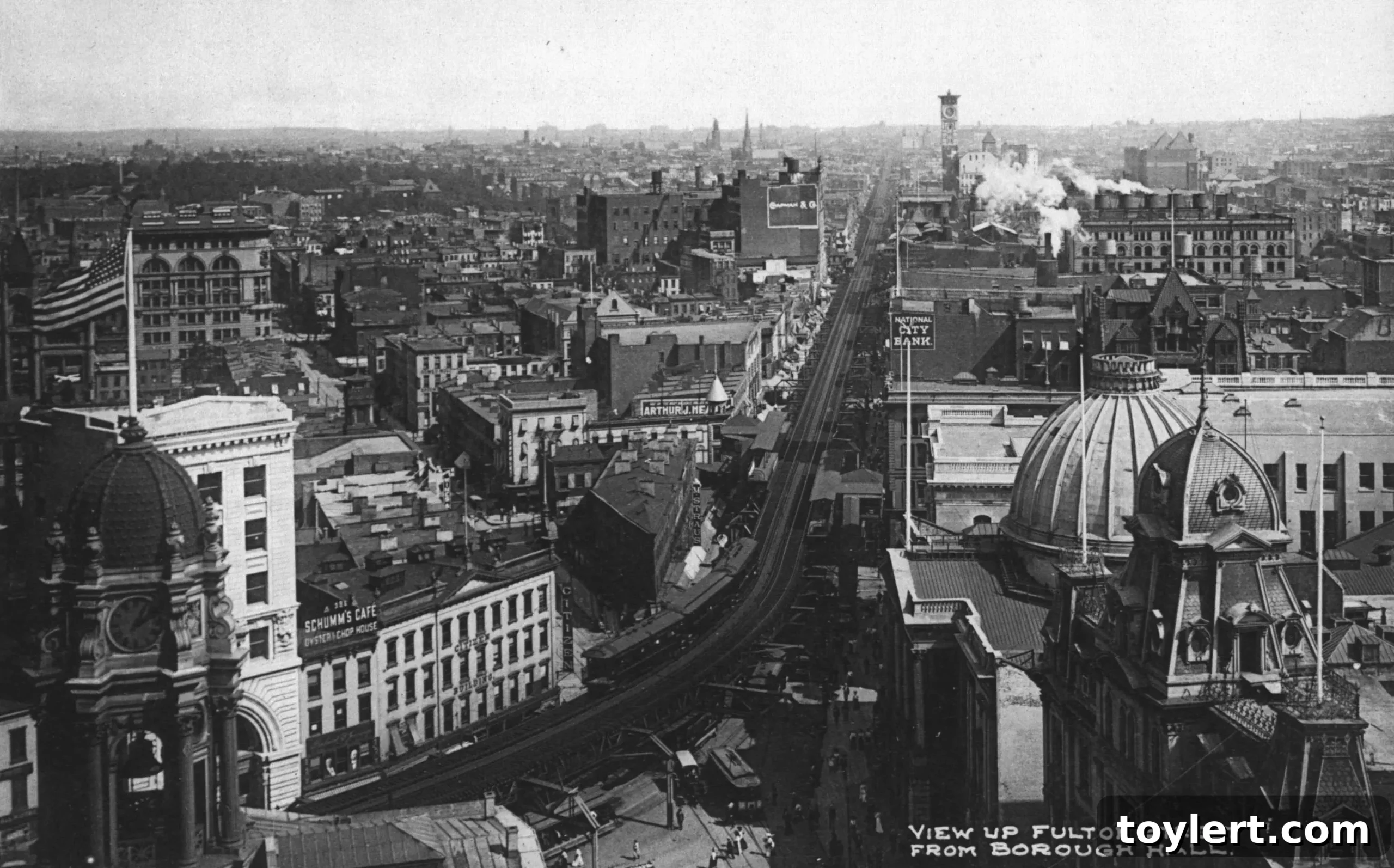
There was a time, not so long ago in the grand tapestry of urban history, when Downtown Brooklyn reigned supreme as an unparalleled shopping destination. Before the advent of sprawling suburban malls and the dominance of online retail, this vibrant district offered everything one could possibly desire for holiday gifting, everyday necessities, and the sheer joy of consumerism. By the close of the 19th century and extending well into the early 20th, the bustling nexus between Adams Street and Flatbush Avenue, along with its intricate network of side streets, pulsed with an energy unmatched anywhere else in New York City. This compact yet comprehensive hub was densely packed with an extraordinary array of establishments: magnificent department stores, intimate specialty boutiques, lively theaters, diverse restaurants, essential banks, and vital social amenities such as the YMCA.
What made Downtown Brooklyn truly unique was the sheer concentration of retail and entertainment venues within such a confined area. It wasn’t just another shopping street; it was a self-contained retail ecosystem. Even Manhattan’s celebrated thoroughfares, like the elegant Fifth Avenue or the bustling 34th Street, could not boast the same density and variety of offerings in a comparable footprint. Brooklyn’s downtown was a retail paradise, a magnet for shoppers from across the borough and beyond, establishing itself as a formidable commercial power center.
The Genesis of a Retail Empire: Downtown Brooklyn’s Rise to Prominence
The transformation of Downtown Brooklyn into a retail powerhouse was no accident. It was the culmination of several factors converging in the late 19th century. Brooklyn itself was a rapidly growing borough, experiencing a population boom fueled by immigration and industrial expansion. Improved transportation infrastructure, including elevated train lines, streetcars, and eventually the Brooklyn Bridge (completed in 1883), made the area highly accessible to a vast customer base. This influx of residents, coupled with increasing prosperity, created fertile ground for a flourishing commercial district.
Merchants, quick to recognize this potential, began investing heavily in grand, multi-story retail establishments designed to captivate and serve the burgeoning middle class. These weren’t just stores; they were temples of commerce, meticulously designed to offer an immersive shopping experience that blended convenience with luxury. The architectural ambition of these buildings mirrored the economic optimism of the era, creating an urban landscape that was both functional and aesthetically impressive.
Giants of the Dry Goods District: Brooklyn’s Iconic Department Stores
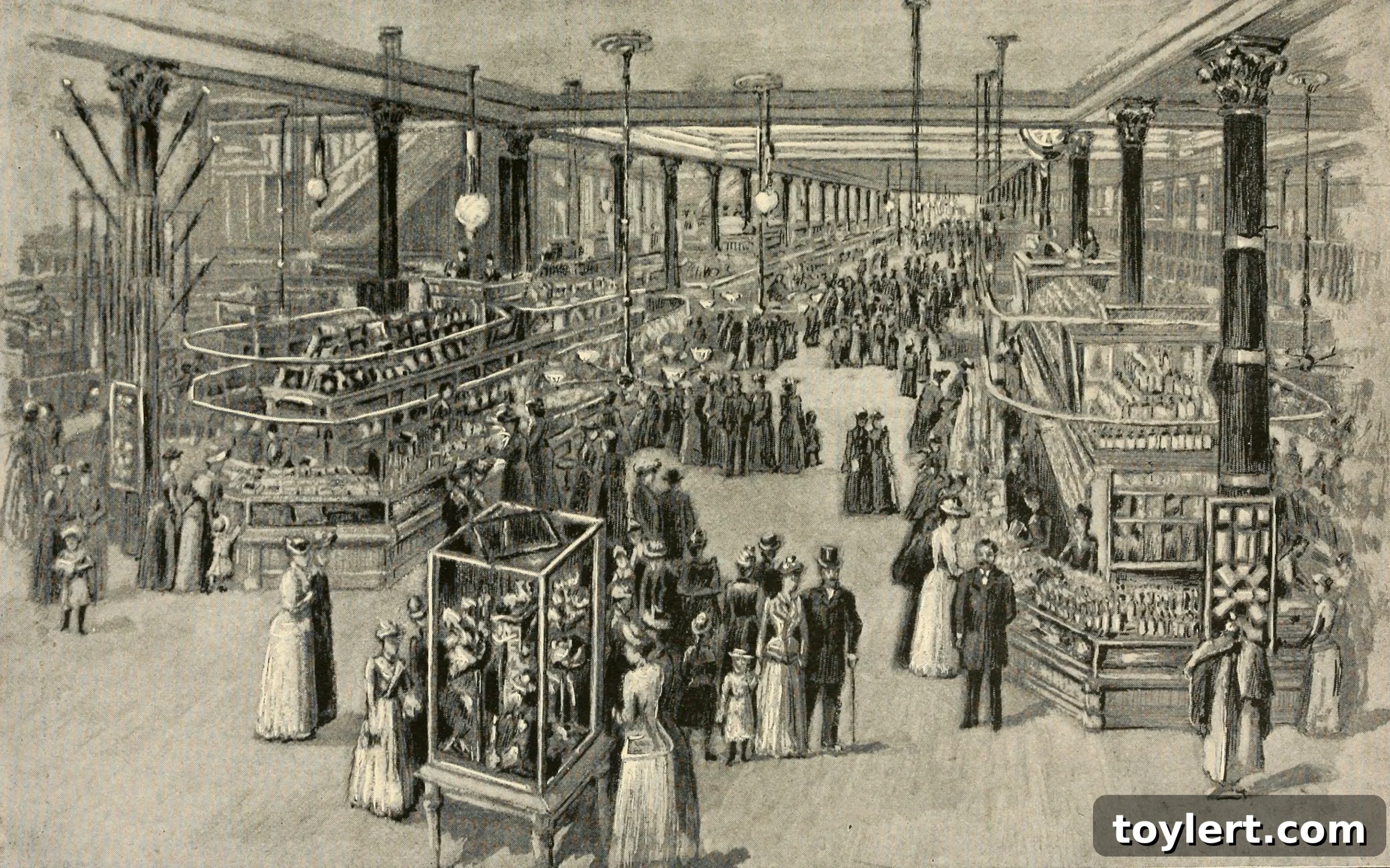
Much has been extensively documented about the colossal department stores that formed the backbone of what was affectionately known as the “Dry Goods District.” This area, meticulously charted in the 1904 Sanborn insurance map of Brooklyn, showcased a cluster of retail behemoths, each vying for the attention and loyalty of Brooklyn shoppers. Names that became synonymous with quality, selection, and service included Abraham & Straus, Frederick Loeser’s, A.D. Matthews, and Chapman & Co. As the district continued its meteoric rise, other prominent players like Namm’s and Oppenheimer Collins soon joined their ranks. Martin’s, another significant retailer, later took over the impressive Chapman space within the historic Offerman Building, further cementing the district’s status as a premier shopping destination.
Abraham & Straus: A Brooklyn Landmark
Among these titans, Abraham & Straus, universally known as A&S, stood out as an undisputed icon. Established in 1865, its flagship store on Fulton Street was not merely a place to buy goods; it was a cultural institution, a beacon of modernity, and a social hub. The building itself was an architectural marvel, evolving through expansions into a sprawling complex that covered an entire city block. A&S offered an astonishing array of merchandise, from fashionable apparel and home furnishings to fine jewelry and gourmet foods. It pioneered concepts like “one-price” selling, meaning prices were fixed and not open to haggling, fostering trust and transparency with its customers. Shoppers could spend an entire day within its opulent confines, enjoying lunch in its elegant tearoom, marveling at its festive holiday window displays, and perhaps even catching a glimpse of the latest fashions on display. For generations of Brooklynites, “meeting under the clock at A&S” became a cherished tradition, underscoring its pivotal role in the community’s social fabric.
Frederick Loeser & Co.: Elegance and Sophistication
Frederick Loeser & Co., another cornerstone of the Dry Goods District, cultivated a reputation for unparalleled elegance and sophisticated offerings. Loeser’s, with its distinctive architecture and refined interior, catered to a more discerning clientele, providing an atmosphere of exclusive luxury. Known for its high-quality fabrics, imported goods, and meticulously curated collections, it set a benchmark for refined taste. The store also prioritized exceptional customer service, with knowledgeable staff ready to assist shoppers in navigating its vast departments. Loeser’s played a crucial role in shaping the district’s image as a place where quality and class were paramount, making it a favorite for those seeking exquisite items and a genteel shopping experience.
The Competitive Landscape: A Retail Tapestry
The presence of so many major department stores in such close proximity fostered a vibrant, yet intensely competitive, retail environment. Each store developed its unique identity and customer base. A.D. Matthews was known for its solid, reliable offerings, while Chapman & Co. held its own before Martin’s took over its prime location. Namm’s, which opened later, quickly established itself as a formidable competitor, known for its extensive range and aggressive marketing. Oppenheimer Collins offered specialized apparel, further diversifying the district’s offerings. This dynamic interplay between the giants meant constant innovation in merchandising, advertising, and customer engagement, all contributing to Downtown Brooklyn’s legendary status as a shopper’s paradise.
Beyond the Behemoths: The Charm of Specialty Shops and Street Life
Nestled between these colossal department stores were countless smaller, independent shops, each contributing to the rich tapestry of Downtown Brooklyn’s retail scene. These specialty boutiques were the district’s hidden gems, catering to every conceivable niche market and offering personalized service that the larger stores, despite their grandeur, couldn’t always match. The sheer variety was astounding, ensuring that every shopper, regardless of their specific need or budget, could find exactly what they were looking for.
A World of Specialization
Imagine strolling down Fulton Street or one of its vibrant cross-streets, encountering a dazzling array of dedicated shops:
- Furriers: Offering luxurious coats, stoles, and accessories, particularly popular during Brooklyn’s colder months, often custom-made or tailored to perfection.
- Milliners: Creating exquisite hats for every occasion, from elegant church hats to fashionable cloches, a must-have accessory for women of the era.
- Furniture Stores: Showcasing everything from grand parlor sets to practical bedroom suites, reflecting the various styles and tastes of Brooklyn households.
- Footwear Retailers: Providing a vast selection of shoes for men, women, and children, emphasizing both comfort and the latest trends.
- Sports Equipment Shops: Catering to the growing interest in leisure activities and athletics, offering gear for everything from baseball to cycling.
- Jewelry Stores: Displaying dazzling precious metals, gemstones, and intricate timepieces, perfect for gifts or personal adornment.
- Print Shops and Stationery Stores: Supplying elegant writing paper, personalized cards, books, and office supplies, serving both personal and business needs.
There were also distinct shops meticulously tailored for men, women, and children, each offering clothing and accessories specific to their demographics and fashion trends. These smaller establishments added a layer of intimacy and expertise that complemented the broad offerings of the department stores.
A Holistic Urban Experience
The Downtown Brooklyn shopping district was more than just a collection of stores; it was a vibrant, living ecosystem. The air was thick with the sounds of commerce – the chatter of shoppers, the ringing of streetcar bells, the hawkers’ calls, and the distant rumble of horse-drawn carriages or early automobiles. The aroma of freshly baked goods from local bakeries mingled with the scent of coffee from bustling cafes. Beyond retail, the area provided a comprehensive suite of urban amenities that made it a true destination. Theaters offered the latest plays and vaudeville shows, providing evening entertainment after a day of shopping. Diverse restaurants catered to every palate and budget, from quick lunch counters to elegant dining rooms. Banks were readily available for financial transactions, and social institutions like the YMCA provided community services, recreational facilities, and meeting spaces. This rich blend of commerce, culture, and community services created an unparalleled urban experience, drawing people from all walks of life to its energetic streets.
Architectural Splendor and Lasting Legacy
The architectural grandeur of Downtown Brooklyn’s retail buildings spoke volumes about the era’s aspirations. These structures, often adorned with elaborate facades, large display windows, and intricate detailing, were designed to impress and invite. They transformed the streetscape, giving it a distinctive character that blended commercial functionality with aesthetic appeal. The information gleaned from historical documents like the Sanborn maps provides invaluable insights into the layout and scale of this remarkable district, allowing us to visualize the urban planning and architectural ambitions that shaped its development.
While the golden age of Downtown Brooklyn’s retail might have evolved with the changing tides of the 20th century – influenced by suburbanization, the rise of shopping malls, and shifting economic landscapes – its legacy endures. The grand buildings, many still standing, albeit repurposed, serve as architectural monuments to a bygone era of unparalleled commercial vibrancy. They remind us of a time when Downtown Brooklyn was not just a commercial center, but a cultural heart, a place where the daily rhythm of life intertwined with the excitement of discovery and the allure of aspiration. Its story is a testament to Brooklyn’s enduring spirit and its significant, though sometimes overshadowed, role in New York City’s historical and commercial narrative, remaining a compelling chapter in the annals of urban retail history.