Brooklyn’s Dynamic Evolution: Navigating Development, Community, and Culture
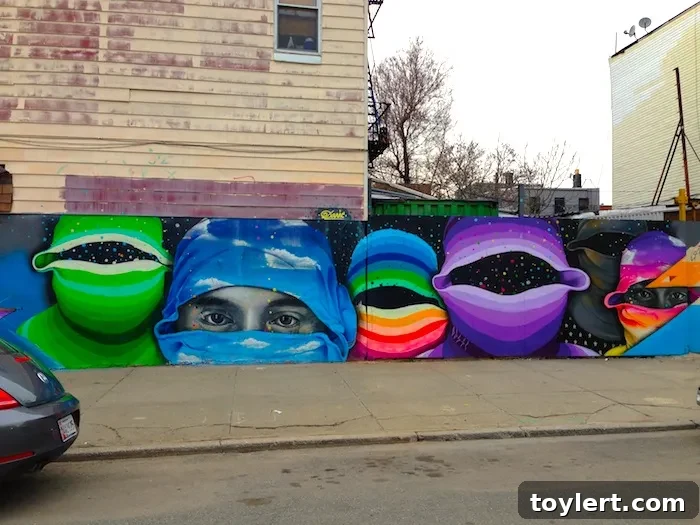
Brooklyn, a borough celebrated for its rich history, diverse neighborhoods, and vibrant cultural scene, is in a perpetual state of flux. From grand-scale urban planning initiatives to grassroots community efforts, every corner of Brooklyn tells a story of evolution. This article delves into various facets of this transformation, exploring new developments, shifting demographics, the preservation of history, and the unwavering spirit of its communities.
The Unfolding Landscape: Real Estate and Community Engagement
The pace of development in Brooklyn continues to accelerate, bringing both opportunities and challenges. New construction projects are reshaping skylines and neighborhood identities, often sparking vital conversations between developers and residents. One such instance highlights the ongoing tension between progress and preservation:
Community Voices: Challenging New Developments in Brighton Beach
In Brighton Beach, plans for a seven-story building have ignited significant debate among local residents. Community members, deeply invested in maintaining the character and scale of their neighborhood, have banded together to challenge the proposed development on Corbin Place. This scenario is a microcosm of a larger trend across Brooklyn, where communities actively engage in dialogue, protest, and negotiation to ensure new constructions align with existing neighborhood aesthetics and infrastructure capabilities. Such challenges underscore the importance of transparent planning processes and robust community input in shaping the urban environment, aiming for a balance between growth and the preservation of local heritage.
These instances are not merely about opposing development; they represent a fundamental desire to protect the quality of life, prevent overcrowding, and preserve the unique cultural fabric that makes each Brooklyn neighborhood distinct. As the borough continues to attract investment and new residents, the art of balancing new construction with community needs becomes increasingly critical for sustainable growth.
Economic Engines and Societal Shifts: The Core of Brooklyn’s Evolution
Beyond individual buildings, broader economic forces and demographic shifts are continually reshaping Brooklyn. Major institutions drive job creation and innovation, while the very composition of its neighborhoods evolves, reflecting global and local trends.
Leadership and Innovation at the Brooklyn Navy Yard
The reappointment of the Brooklyn Navy Yard’s leadership underscores the stability and continued ambition of this vital economic hub. Once a powerful naval shipbuilding facility, the Navy Yard has been masterfully transformed into a thriving industrial park, housing hundreds of businesses and employing thousands of New Yorkers. It stands as a testament to successful urban revitalization, fostering innovation in advanced manufacturing, creative industries, and technology. The continuity in its leadership signals a steady course for future growth, job creation, and its ongoing role as a cornerstone of Brooklyn’s industrial renaissance.
Demographic Transformations in Bath Beach
Further south, neighborhoods like Bath Beach are experiencing profound demographic changes. These shifts are often driven by a confluence of factors, including evolving economic opportunities, housing affordability pressures in other parts of the city, and new waves of immigration. As families move in and out, the cultural mosaic of areas like Bath Beach continuously reconfigures itself, influencing local businesses, schools, and community services. Understanding these demographic tides is crucial for city planners and community organizers to ensure that services and infrastructure adapt to the needs of a changing population, fostering inclusivity and support for all residents.
Bridging Past and Present: History, Residential Charm, and Modern Living
Brooklyn’s allure is deeply rooted in its history, a narrative that is constantly being reinterpreted through new architectural forms and modern residential offerings. The past provides context, while the present delivers innovative living spaces.
Unveiling Brooklyn’s Past: NYPL Maps and Historical Renderings
The release of old renderings from the New York Public Library maps offers a captivating glimpse into Brooklyn’s earlier eras. These historical documents are invaluable resources, showcasing how neighborhoods have transformed over centuries—from agrarian landscapes to bustling urban centers. They highlight the evolution of street grids, the appearance and disappearance of significant landmarks, and the changing architectural styles that define the borough. For history enthusiasts and urban planners alike, these maps provide a crucial lens through which to understand the foundations upon which modern Brooklyn is built, illustrating the dynamic interplay between historical continuity and radical transformation.
Contemporary Urban Living: Condos in Renovated Townhouses on Bergen Street
Reflecting Brooklyn’s ongoing appeal as a prime residential destination, the premiere of four condos in a renovated townhouse on Bergen Street exemplifies a popular trend in its housing market. This blend of historic architecture with modern interior design caters to a growing demand for luxury living spaces that retain neighborhood charm. These developments often feature high-end finishes, contemporary amenities, and a strategic location in sought-after areas. The conversion of single-family townhouses into multi-unit condominiums is a common strategy to maximize property value and meet the needs of a diverse urban population, while often preserving the iconic brownstone facades that characterize much of Brooklyn.
Culture, Community, and the Quest for Affordability in Vibrant Neighborhoods
Brooklyn’s cultural dynamism is undeniable, and its artistic communities are often at the forefront of addressing critical social issues, particularly housing. Meanwhile, the emergence of new social venues reflects the evolving lifestyle and commercial vibrancy of its neighborhoods.
Arts and Advocacy: Addressing Affordable Housing in Bushwick
The Arts in Bushwick organization hosted a crucial panel on the future of affordable housing, highlighting the significant role cultural communities play in urban advocacy. As neighborhoods like Bushwick experience rapid gentrification, the need for sustainable, affordable living options for artists and long-time residents becomes paramount. Such discussions are vital for fostering solutions that preserve the cultural diversity and economic accessibility that define these creative enclaves. The arts community often serves as a powerful voice, drawing attention to socio-economic disparities and championing policies that promote equitable urban development.
Bushwick’s Evolving Social Scene: The Well Beer Garden
Adding to Bushwick’s reputation as a burgeoning cultural and entertainment hub, the anticipation surrounding the opening of The Well, a massive new beer garden, signifies the neighborhood’s evolving social landscape. This type of establishment reflects a growing trend towards larger, community-oriented gathering spaces that offer diverse culinary and beverage options. Such venues not only provide entertainment but also contribute to the local economy, create jobs, and become new focal points for social interaction, further cementing Bushwick’s status as a destination for both residents and visitors seeking vibrant nightlife and community experiences.
Nurturing Local Life: The Fabric of Established Neighborhoods
While much attention is given to new developments and transformations, the stability and growth of local businesses remain fundamental to the everyday life and character of Brooklyn’s established neighborhoods.
Stability and Service: Brooklyn Heights Veterinary Hospital Update
In a testament to the enduring presence of local services, the Brooklyn Heights Veterinary Hospital’s renovation and reopening is welcome news for the community. Essential local businesses like veterinary clinics, grocery stores, and hardware shops form the backbone of neighborhood life, providing crucial services and fostering a sense of continuity. Updates such as these reassure residents that their local institutions are thriving and adapting, reflecting a healthy and stable community. The ongoing success and modernization of such establishments are critical for maintaining the high quality of life that residents in neighborhoods like Brooklyn Heights cherish.
Conclusion: Brooklyn’s Ever-Unfolding Narrative
Brooklyn is a borough defined by its relentless evolution. From the contentious debates over new construction in Brighton Beach to the economic revitalization of the Brooklyn Navy Yard, and from the shifting demographics of Bath Beach to the artistic advocacy in Bushwick, every story contributes to a larger narrative of dynamic change. The juxtaposition of historical preservation, as seen through NYPL maps, with modern residential innovation on Bergen Street, further illustrates this blend of past and present. Moreover, the dedication to community well-being, whether through panels on affordable housing or the renovation of vital local businesses like the Brooklyn Heights Veterinary Hospital, showcases the resilient spirit of Brooklynites.
As Brooklyn continues to grow and adapt, it remains a testament to urban vibrancy, where diverse communities, economic ambition, and a rich cultural tapestry continually weave together to create one of the most compelling narratives in New York City. The borough’s future will undoubtedly be as rich and multifaceted as its past, driven by the ongoing dialogue between development and community, innovation and heritage.