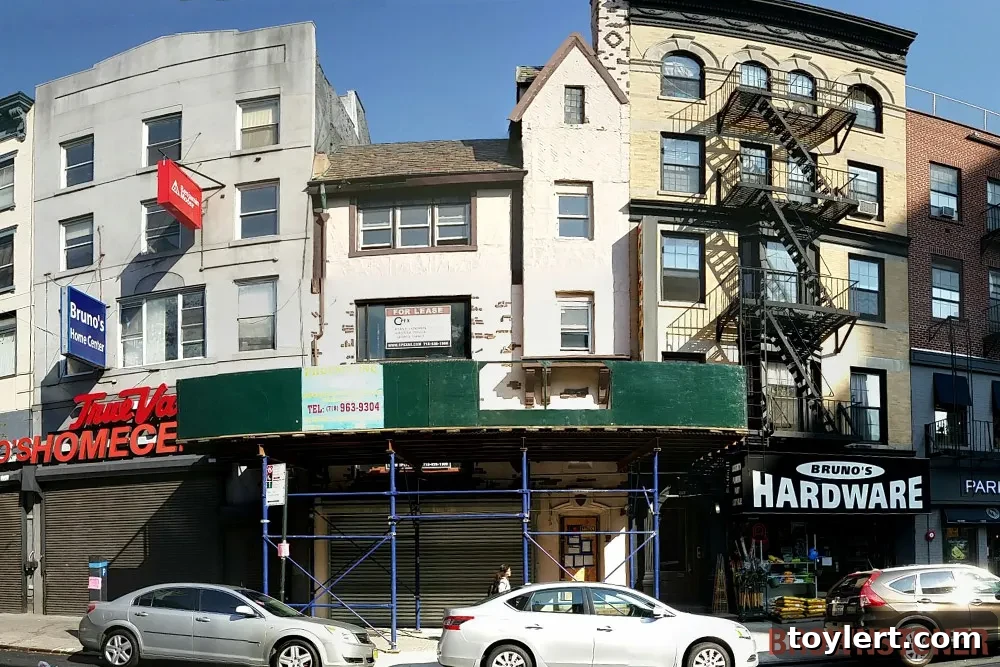
Revitalizing a Downtown Brooklyn Gem: The Tudor Renovation at 93 Court Street
Nestled amidst the bustling urban landscape of Downtown Brooklyn, a truly unique architectural marvel is undergoing significant restoration. The whimsical Tudor-style building at 93 Court Street has long captured the imagination of residents and visitors alike, standing out with its distinctive charm against the more prevalent brownstones and modern high-rises. Recent observations confirm that this beloved structure is finally receiving the much-needed attention it deserves, sparking renewed interest in its future.
For years, the building at 93 Court Street has been a topic of local discussion, a quirky landmark that many wished would be returned to its former glory. Back in 2012, when architectural historian Montrose Morris first highlighted the building on Brownstoner, the comments section overflowed with community members expressing their hope for a comprehensive restoration. This sentiment underscored the deep affection Brooklynites hold for their architectural heritage, especially for structures that break the mold and offer a glimpse into a different era. This building, once serving as an architect’s own office, carried an inherent promise of thoughtful design and aesthetic excellence, making its decline even more poignant for architectural enthusiasts.
Unveiling the Scope of the Renovation: Structural Integrity Takes Center Stage
While the full extent of the renovation at 93 Court Street remains a subject of public curiosity, the official permits provide a clear picture of the immediate work underway. These documents, publicly accessible, detail crucial structural repairs designed to fortify the building’s foundation and ensure its long-term stability. The listed tasks are extensive and fundamental, indicating a commitment to the building’s core integrity before any potential aesthetic enhancements. These include the strategic removal of compromised second-floor joists, which are vital components of the building’s horizontal support system, and the replacement of deteriorated interior stairs, enhancing safety and accessibility within the property.
Furthermore, the renovation plans address critical roof repairs, a common necessity for older buildings to prevent water infiltration and subsequent damage to the interior structure. Perhaps one of the most significant structural upgrades involves the installation of new structural steel lintels on both the first and second floors. Lintels are horizontal supports that bear the load over openings such as doors and windows, and the upgrade to steel ensures superior strength and longevity. These comprehensive structural interventions suggest a methodical approach to safeguarding the building’s future, ensuring it can withstand the test of time and continued urban pressures.
The financial commitment to these critical repairs is substantial, with records indicating an estimated cost of $370,000. This figure reflects not only the complexity and scale of the work but also the specialized labor and materials often required for renovating historic structures. Such an investment highlights the owner’s dedication to preserving this unique piece of Brooklyn’s architectural fabric, laying a robust groundwork for whatever its next chapter may entail.
The Charm of Tudor Architecture in Brownstone Brooklyn
The presence of a Tudor-style building like 93 Court Street in Downtown Brooklyn is quite remarkable. Tudor architecture, popularized in the early 20th century, draws inspiration from late medieval and early Renaissance English styles. Key characteristics include steeply pitched gable roofs, often with intersecting gables, decorative half-timbering (exposed wood framing with infill materials), tall, narrow windows, and sometimes elaborate chimneys. While the building on Court Street may not feature full half-timbering, its distinctive roofline, window styles, and overall whimsical aesthetic strongly evoke the Tudor revival spirit, setting it apart from its stately brownstone neighbors.
Brownstone Brooklyn, celebrated for its rows of elegant 19th-century brownstone and limestone townhouses, offers a relatively uniform architectural landscape. Against this backdrop, 93 Court Street truly shines as an individualistic statement. Its design language speaks of a different era and influence, providing a refreshing visual contrast. This distinctiveness is precisely why it has garnered such affection and why its potential restoration is met with widespread enthusiasm. It’s not just a building; it’s a character, a storyteller of Brooklyn’s diverse architectural history.
The Path to Full Restoration: Facade Versus Structural Repairs
A notable point of discussion among onlookers and preservationists is the current ambiguity regarding the facade’s restoration. The permits explicitly list structural repairs but do not yet indicate whether the building’s unique exterior will receive a full cosmetic overhaul. This distinction is common in historic renovations. Often, addressing structural integrity is prioritized to ensure the building is sound and safe before embarking on more visible aesthetic improvements. Facade restoration, especially for a building with distinct Tudor elements, can be a complex and costly endeavor, requiring specialized craftsmanship to match original materials and designs.
However, the hope remains strong within the community that the facade will eventually be restored to its former glory. A fully restored exterior would not only enhance the building’s visual appeal but also significantly contribute to the streetscape of Court Street, a vital artery in Downtown Brooklyn. Imagine the intricate details, the unique window treatments, and the overall period charm brought back to life. Such a restoration would serve as a testament to Brooklyn’s commitment to preserving its architectural gems, even those that stand out from the typical historical narrative.
The Broader Impact: Preserving Brooklyn’s Unique Architectural Heritage
The renovation of 93 Court Street transcends the mere repair of an old building; it represents a crucial chapter in Brooklyn’s ongoing narrative of architectural preservation. Historic buildings like this are more than just structures; they are tangible links to the past, embodying the stories, craftsmanship, and aesthetic values of previous generations. In a borough experiencing rapid modernization and development, the thoughtful preservation of such distinct properties becomes even more vital.
Preserving unique buildings contributes significantly to the character and identity of neighborhoods. It fosters a sense of place, offering visual diversity and a connection to history that newer constructions, however innovative, cannot replicate. For Downtown Brooklyn, an area that has seen considerable transformation from a commercial hub to a vibrant mixed-use district, maintaining structures like 93 Court Street adds invaluable layers of depth and texture. It reminds us that progress can coexist with preservation, creating environments that are both forward-looking and deeply rooted in their heritage.
The Future of 93 Court Street: A Symbol of Renewal
As the structural work progresses at 93 Court Street, the community watches with anticipation for what the future holds for this whimsical Tudor building. Whether it will once again serve as an architect’s office, find a new commercial tenant, or even be transformed into a unique residential space, its revitalization is a positive sign for Downtown Brooklyn. This renovation is a clear demonstration that architectural significance, even in unconventional forms, is valued and deserving of investment.
The meticulous repairs currently underway are laying the foundation for many more decades of the building’s existence. It is a powerful statement about the enduring appeal of unique design and the collective desire to protect and celebrate Brooklyn’s rich architectural tapestry. When complete, this Tudor gem will stand as a shining example of how structural integrity and historical appreciation can come together, ensuring that 93 Court Street continues to be a cherished landmark, inspiring awe and delight for generations to come. This ongoing project is a beacon of hope for other historic properties in the city, underscoring the importance of careful stewardship in preserving the urban fabric that makes Brooklyn so unique.