Brooklyn Buzz: Your Essential Neighborhood Update
Dive into the vibrant pulse of Brooklyn with our latest roundup of news and community highlights. From exciting new developments shaping our skylines to crucial community efforts strengthening our bonds, Brooklyn continues to be a borough defined by its dynamic spirit and unwavering resilience. We bring you the essential updates that matter to residents and anyone interested in the heart of New York City, exploring the stories that define our unique neighborhoods and foster a sense of collective growth and identity. Discover how local initiatives, urban planning decisions, and community activism are continuously shaping the future of this iconic borough.
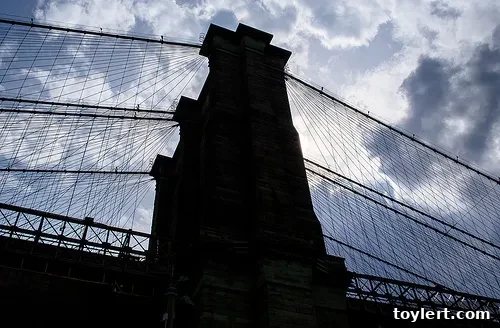
Photo by ekonon
Wyckoff Heights Sees New Development Top Out
The landscape of Wyckoff Heights, a vibrant and increasingly sought-after Brooklyn neighborhood, continues to evolve with significant new residential projects. A prominent example is the recent topping out of a new building located at 508 Seneca Avenue. This milestone marks a crucial step forward in the construction of what promises to be a modern addition to the area’s housing stock, reflecting the ongoing growth and transformation sweeping across parts of Bushwick and Ridgewood’s borders. As reported by Wyckoff Heights, the completion of the structural framework is an exciting development for future residents and the surrounding community.
The Impact of New Construction on Wyckoff Heights and Brooklyn Real Estate
New developments like the one at 508 Seneca are more than just buildings; they represent shifts in population, demographics, and the very fabric of a community. Wyckoff Heights, known for its historic charm, diverse population, and burgeoning artistic scene, is experiencing a revitalization driven by demand for urban living spaces. The introduction of modern residential units can attract a new wave of residents, potentially boosting local businesses, enhancing property values, and contributing to the area’s economic vibrancy. Developers are often keen to incorporate amenities that cater to a contemporary urban lifestyle, from rooftop gardens and fitness centers to shared co-working spaces, aiming to attract a diverse group of tenants or homeowners seeking comfort and convenience in a bustling Brooklyn locale.
However, with growth also comes discussion about maintaining neighborhood character and ensuring affordable housing options. Community organizations and existing residents often engage in dialogues with developers and city planners to balance progress with preservation, making sure that new projects integrate thoughtfully into the existing urban tapestry. The topping out at 508 Seneca, a significant event in the construction timeline, serves as a focal point for these conversations, symbolizing the continuous evolution of one of Brooklyn’s most engaging neighborhoods and its broader impact on the dynamic Brooklyn real estate market. These projects contribute to the ever-changing skyline, offering diverse living options while presenting opportunities for sustainable urban development that respects the rich history of the borough.
Volunteer for Love a Library Day at BPL Branches
Brooklyn’s public libraries are more than just repositories of books; they are vital community hubs offering educational resources, cultural programs, and safe spaces for residents of all ages. Recognizing the invaluable role these institutions play, the Brooklyn Public Library (BPL) regularly organizes events to foster community engagement and support. One such heartfelt initiative is Love a Library Day, an opportunity for residents to directly contribute to the well-being and success of their local branches. This special day encourages Brooklynites to connect with their neighborhood libraries and support the invaluable services they provide.
Strengthening Community Through Library Support and Literacy Advocacy
Volunteering at a BPL branch for Love a Library Day, as highlighted by Ditmas Park Corner (DPC), offers a unique chance to give back and become an integral part of the library’s mission. Volunteers can assist with a variety of tasks, from organizing shelves and helping with children’s programs to supporting administrative duties, event setup, and providing general assistance to patrons. These efforts, though seemingly small on an individual basis, collectively ensure that libraries can continue to offer their diverse array of services to the millions of Brooklynites who rely on them for everything from internet access and job search assistance to early literacy programs and cultural events. Engaging with the dedicated library staff and fellow community members creates a sense of shared purpose and strengthens local bonds, fostering a more connected and informed populace.
Beyond the practical help, volunteering sends a powerful message about the community’s unwavering commitment to literacy, education, and access to information. It reinforces the idea that libraries are collective assets, thriving on the support and active participation of the people they serve. Participating in Love a Library Day is a tangible way to celebrate these essential institutions and ensure they remain vibrant, accessible, and responsive to the evolving needs of Brooklyn’s diverse population. It underscores the belief that a strong library system is the bedrock of a thriving community, empowering individuals through knowledge and fostering a lifelong love of learning.
Cobble Hill Enhances Pedestrian Safety with New Crosswalk
Urban safety and thoughtful infrastructure planning are paramount in dense city environments like Brooklyn. Residents of Cobble Hill, known for its picturesque streets, historic architecture, and family-friendly atmosphere, are seeing crucial improvements aimed at enhancing pedestrian safety, particularly at busy intersections. The community’s proactive engagement, often led by local associations, has led to the installation of signs for a new crosswalk at Congress and Bergen Street, a significant step welcomed by locals and a testament to effective community advocacy. This improvement represents a commitment to safer streets for everyone.
The Importance of Pedestrian-Friendly Infrastructure and Urban Planning
The decision to implement a new crosswalk, championed by the Cobble Hill Association (CHA), addresses long-standing concerns about traffic flow, vehicle speed, and pedestrian vulnerability at this specific junction. Intersections like Congress and Bergen Street often experience a complex mix of vehicle and foot traffic, making clear pedestrian pathways and improved visibility essential for preventing accidents and ensuring the safety of children, seniors, and all residents navigating the neighborhood. Such infrastructure improvements reflect a broader city-wide commitment to Vision Zero initiatives, a comprehensive strategy aiming to eliminate traffic fatalities and serious injuries on city streets through engineering, enforcement, and education.
The process of getting a new crosswalk typically involves several stages, including community petitions, detailed traffic studies conducted by the Department of Transportation (DOT), and persistent advocacy from local associations. These efforts underscore the power of community organization in shaping urban environments and influencing city policy. For Cobble Hill, this new crosswalk signifies not just a painted line on the asphalt, but a tangible outcome of residents working together to create a safer, more walkable neighborhood, enhancing the quality of life for everyone who calls this charming area home. It’s a prime example of how local engagement translates into concrete improvements that benefit the entire community, making Brooklyn streets safer and more accessible.
Gowanus Community Mobilizes Against Lightstone Development
The Gowanus neighborhood, with its unique industrial history, environmental legacy, and emerging residential character, is frequently at the forefront of discussions concerning urban development, environmental stewardship, and community advocacy in Brooklyn. A prime example of this ongoing dialogue is the intense community scrutiny surrounding projects like the proposed Lightstone Development. Tonight, concerned residents are gathering for a crucial Save Gowanus meeting regarding the Lightstone Development, as highlighted by Pardon Me For Asking (PMFA). These meetings are essential forums for public discourse and community organizing in a neighborhood facing significant change.
Balancing Development and Preservation in Gowanus: A Complex Environmental and Urban Challenge
The Lightstone Development, like many large-scale projects proposed for Gowanus, presents a complex challenge for the community and city planners alike. On one hand, new developments promise economic growth, increased housing options, and the potential revitalization of underdeveloped parcels along the canal. On the other hand, the Gowanus Canal itself is a Superfund site, raising serious environmental considerations about remediation efforts, infrastructure capacity, and the potential impact of increased population density on a fragile ecosystem. Community groups like Save Gowanus are vocal proponents for responsible development, advocating for projects that respect the area’s environmental sensitivities and historical context, while also ensuring that new growth benefits existing residents and maintains the unique character of Gowanus.
Public meetings serve as critical forums for residents to voice their concerns, ask pertinent questions of developers and city officials, and organize collective action. Topics often include detailed discussions on zoning changes, environmental impact statements, the allocation of affordable housing components, and the preservation of arts and industrial spaces that define the Gowanus aesthetic. The ongoing debate surrounding developments like Lightstone’s underscores the democratic process inherent in urban planning and the persistent effort required by communities to shape their future effectively. It’s a testament to Brooklyn’s engaged citizenry and their dedication to ensuring that development is sustainable, equitable, and serves the long-term interests of the neighborhood and its unique environment.
Red Hook Rises: Neighborhood Hosts First Post-Sandy Celebration
Few Brooklyn neighborhoods experienced the devastating impact of Hurricane Sandy in 2012 as profoundly as Red Hook. Situated along the waterfront, the community faced widespread flooding, extensive power outages, and significant damage to homes and businesses. Yet, true to its resilient spirit, Red Hook has not only rebuilt but thrived, celebrating its powerful comeback. The community recently hosted its first major post-Sandy celebration, a testament to its unwavering spirit, as reported by Gothamist. This event marked a significant milestone in the neighborhood’s inspiring journey of recovery and renewal.
The Spirit of Resilience and Community in Red Hook: A Beacon of Recovery
The celebration in Red Hook was more than just an event; it was a powerful declaration that the neighborhood is “BACK!” It symbolized the collective efforts of residents, local businesses, and countless volunteers who worked tirelessly to restore their beloved community. Following the hurricane, Red Hook became a beacon of mutual aid and community organizing, showcasing how neighbors rallied together to support each other through immense hardship, demonstrating extraordinary solidarity and determination. This spirit of cooperation was palpable in the celebratory atmosphere, bringing together families, entrepreneurs, and artists who contribute to Red Hook’s unique charm, a blend of maritime history, industrial grit, and contemporary creativity.
Events like these are crucial for collective healing, fostering community cohesion, and moving forward. They provide an opportunity to acknowledge the progress made, recognize the challenges overcome, and look towards a future of continued growth, enhanced preparedness, and sustained vibrancy. Red Hook’s journey from recovery to resurgence offers an inspiring narrative of resilience, demonstrating how a strong community can rebuild, reconnect, and reclaim its vitality even in the face of significant adversity. The neighborhood’s unique blend of industrial heritage, thriving arts scene, innovative businesses, and tight-knit community continues to make it one of Brooklyn’s most compelling and resilient destinations, a true testament to the power of human spirit.
Stay Connected with Brooklyn’s Vibrant Neighborhoods
From the ongoing evolution and exciting new developments in Wyckoff Heights and the dedicated efforts supporting our invaluable Brooklyn Public Library branches, to crucial pedestrian safety upgrades in charming Cobble Hill, the critical dialogues shaping the future of Gowanus, and the inspiring comeback story of resilient Red Hook, Brooklyn remains a borough in constant motion. These diverse stories reflect the dynamic interplay of urban development, passionate community activism, environmental stewardship, and the enduring spirit of its residents.
Staying informed about local news and events is key to understanding and actively participating in the growth, preservation, and continuous improvement of these unique neighborhoods. Each update shared here underscores the importance of local journalism and robust community engagement in fostering a vibrant, responsive, and truly connected Brooklyn. We encourage you to explore these topics further, delve into the details of these fascinating stories, and get involved in the conversations and initiatives that actively shape our borough’s remarkable future. Your participation helps keep Brooklyn dynamic, diverse, and deeply connected.