Exploring Brooklyn & Manhattan: A Glimpse into Real Estate Dynamics, Urban Development, and Community Life
New York City, a global beacon of culture, commerce, and innovation, is an ever-evolving metropolis defined by the distinctive character of its boroughs. Among them, Brooklyn and Manhattan stand out as epicenters of dynamic activity, each boasting a rich tapestry of history, modern development, and vibrant community life. This article offers an in-depth exploration into the myriad facets shaping these two iconic boroughs, examining key trends in their robust real estate markets, significant urban development projects, local sustainability initiatives, and the human stories that resonate through their streets. By looking at specific events and overarching themes, we gain a comprehensive understanding of the forces continually molding the urban landscape and the daily lives of New Yorkers.
The Enduring Allure of Brooklyn’s Residential Charms: Architectural Heritage and Neighborhood Identity
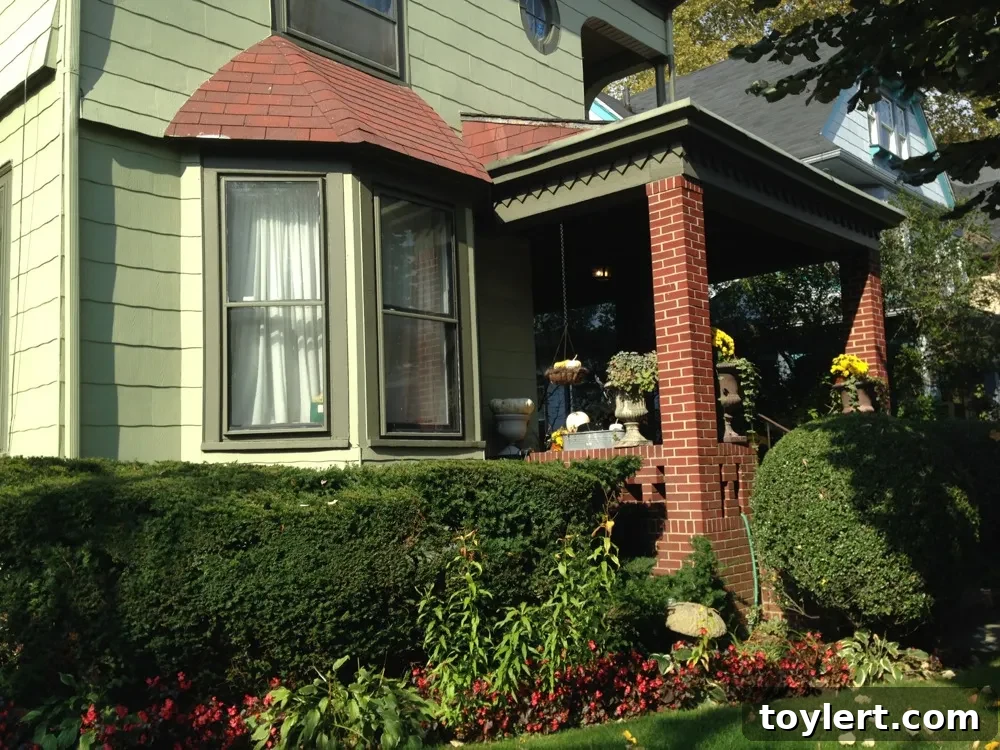
The image presented above, depicting a classic residential building, serves as a poignant reminder of the architectural splendor and residential appeal that define many of Brooklyn’s most cherished neighborhoods. While a specific address like ‘238 Argyle Road’ might immediately bring to mind the picturesque streets of areas such as Ditmas Park or Flatbush, famous for their magnificent Victorian and Edwardian homes, it also symbolizes a broader truth about Brooklyn’s diverse housing stock. These tree-lined avenues, graced with meticulously preserved historic properties, offer a serene and distinctive contrast to the high-rise living often synonymous with major urban centers. Such homes represent not merely an investment in real estate but a commitment to a particular lifestyle—one that champions spaciousness, a strong sense of community, and a tangible connection to the past.
The unique blend of classic architectural charm with the conveniences of modern living makes these residences exceptionally desirable. This sustained demand reflects a continuous appreciation for unique, character-filled homes amidst the city’s relentless pace of development. The relative tranquility found on these residential blocks, often just a short distance from bustling commercial corridors and efficient public transit, highlights the delicate balance Brooklyn skillfully maintains between urban dynamism and a more suburban-like serenity. These homes contribute significantly to the borough’s unique identity, drawing residents who seek a blend of historical elegance and contemporary comfort, all within a vibrant metropolitan context. The appeal of these residential gems underscores Brooklyn’s position as a premier destination for those seeking a rich and authentic New York City living experience.
Unlocking Urban Dreams: The Quest for Park Views Under a Million in Brooklyn and Manhattan
The aspiration to own a property with a park view in New York City traditionally conjures images of exclusivity and astronomical prices, especially when one considers the vast green expanses of Central Park in Manhattan or the majestic Prospect Park in Brooklyn. Yet, a noteworthy trend from a few years prior, as highlighted by the New York Times, revealed a tantalizing possibility: securing such a coveted vista for under a million dollars in both boroughs. This remarkable insight speaks volumes about the unpredictable and sometimes surprising pockets of relative affordability that have historically punctuated NYC’s notoriously competitive real estate market.
While the market dynamics have undeniably evolved since this initial observation, the intrinsic desire for proximity to green space remains a premium amenity for urban dwellers. In Manhattan, neighborhoods such as Washington Heights, Inwood, and even specific sections of Harlem, particularly those adjacent to the scenic Fort Tryon Park or Highbridge Park, have periodically presented more accessible avenues for individuals dreaming of panoramic park views. These areas, deeply imbued with rich history and cultural diversity, offer spectacular perspectives of the Hudson River, the iconic George Washington Bridge, and lush urban parks, often at a significantly lower price point compared to properties closer to Central Park. The typical compromise involves a slightly extended commute to Midtown or Downtown; however, for many, the profound enhancement in quality of life afforded by direct access to nature far outweighs this consideration. It’s a pursuit of value that transcends mere square footage, embracing a lifestyle where daily routines might include invigorating morning jogs or tranquil evening strolls through expansive green havens.
Brooklyn, with its magnificent 585-acre Prospect Park at its heart, has similarly offered unique opportunities. Neighborhoods like Flatbush, Prospect Lefferts Gardens, and certain parts of Crown Heights, located along the park’s fringes, have historically featured co-ops and condominiums with park views that fell within the sub-million-dollar range. These communities, characterized by their vibrant diversity, thriving cultural scenes, and excellent accessibility, provide an appealing alternative to the more established and often costlier brownstone districts immediately bordering the park. The magnetic appeal of living near Prospect Park—meticulously designed by Frederick Law Olmsted and Calvert Vaux, the same landscape architects behind Central Park—is immense, providing hundreds of acres of recreational facilities, a renowned zoo, botanical gardens, and serving as a bustling community hub. The prospect of owning a home here, especially one that directly overlooks this verdant urban oasis, for a price once considered “under a million,” represented a rare intersection of value and luxury that astute buyers eagerly pursued. Such opportunities, though potentially rarer in today’s market, continually underscore the exhilarating challenge and rewarding journey of navigating New York City’s intricate real estate landscape to discover that elusive perfect equilibrium of location, amenity, and financial feasibility.
Park Views for Under a Million in Brooklyn and Manhattan [NY Times]
Commercial Ventures: Packer’s Strategic Acquisition at 100 Clinton Street, Brooklyn Heights
Brooklyn’s commercial real estate market is as dynamic and diverse as its residential counterpart, with significant transactions frequently serving as indicators of evolving economic priorities and neighborhood development trajectories. The acquisition by Packer of a prominent retail building located at 100 Clinton Street stands out as a prime example of strategic investment within one of Brooklyn’s most prestigious and historically significant enclaves: Brooklyn Heights. This neighborhood, celebrated globally for its architecturally preserved brownstones, breathtaking waterfront panoramas, and a strong, community-oriented atmosphere, also boasts a thriving commercial corridor that caters exceptionally well to both its affluent residents and a steady stream of visitors.
A property transaction of this magnitude transcends a simple exchange of ownership; it acts as a powerful declaration of confidence in the local economy and an optimistic outlook on the area’s future potential. Clinton Street, a pivotal artery within Brooklyn Heights, is characterized by its eclectic mix of upscale boutiques, essential service providers, and highly sought-after dining establishments. The introduction of a new owner, particularly one with a clear vision for enhancing the retail landscape, has the potential to inject fresh concepts, invigorate local commerce, and subsequently attract a new wave of businesses to this esteemed thoroughfare. Such an investment is often a catalyst for the revitalization of retail spaces, leading to improved shopping experiences, broader consumer choices, and increased employment opportunities for the local community. It is emblematic of the broader trend showcasing Brooklyn’s maturation into a formidable economic powerhouse, drawing the attention of serious investors who keenly recognize the borough’s sustained growth, diverse demographic appeal, and robust market resilience. This type of transaction vividly illustrates how individual properties, even those that might appear as modest retail units, play an indispensable role in shaping the commercial fabric and overall desirability of a revered neighborhood, thereby solidifying its status as an exceptionally attractive place to live, work, and engage in leisure activities.
Packer to Purchase Retail Building at 100 Clinton Street [Eagle]
Deconstructing Development: The Barclays Center Sale and Forest City Ratner’s Evolving Strategy
The sale of the Barclays Center, a towering architectural and cultural landmark anchoring Prospect Heights, Brooklyn, coupled with the subsequent public debate surrounding its valuation, provided a compelling and intricate window into the complexities of large-scale urban development and sophisticated corporate strategy. For many observers, the query, “Why is Ratner selling Barclays for a seeming low price?” as articulated by the Atlantic Yards Report, cut directly to the core of understanding the delicate interplay between long-term vision, prevailing market realities, and the often-divergent public perception of asset value.
Forest City Ratner, under the visionary leadership of Bruce Ratner, served as the primary driving force behind the contentious yet ultimately transformative Atlantic Yards project (now comprehensively known as Pacific Park Brooklyn), with the Barclays Center gleaming as its undisputed centerpiece. This ambitious mixed-use development, encompassing the state-of-the-art arena and an extensive plan for surrounding residential and commercial high-rises, fundamentally reshaped a significant portion of downtown Brooklyn and its adjacent neighborhoods. The divestiture of such a high-profile, strategic asset, particularly if it was perceived to be at a discounted rate, naturally invited intense scrutiny and speculation. Several multifaceted factors could plausibly contribute to such a perception:
- Strategic Re-alignment and Portfolio Rebalancing: Major development firms frequently engage in proactive portfolio management. Divesting from mature, operational assets allows them to strategically reallocate capital into new, emerging ventures or to sharpen their focus on other core business competencies. A sale, even if falling below a perceived peak valuation, might align perfectly with a broader corporate strategy shift towards novel projects or untapped market segments.
- Debt Reduction or Essential Equity Infusion: Monetizing a substantial asset can be an effective mechanism for reducing existing corporate debt burdens or injecting critical liquidity into the company for other strategic investment purposes. The “low price” might, therefore, represent not a loss, but a highly advantageous deal structured with long-term benefits in mind that are not immediately apparent to external analysts or the general public.
- Fluctuating Market Dynamics and Precise Timing: Real estate markets are inherently cyclical and influenced by numerous macroeconomic factors. The perceived “low price” could have been significantly shaped by the prevailing market conditions at the precise moment of sale, where a swift transaction might have been deemed more strategically advantageous than holding out for a potentially higher but uncertain future valuation, especially given interest rate environments or investor sentiment.
- Disparity Between True Value and Public Perception: The public often formulates its understanding of asset value based on readily available data such as initial construction costs and visible income streams. However, the true intrinsic value of a complex, integrated asset like a major urban arena, especially one woven into a massive multi-use development, involves intricate financial modeling, sophisticated future revenue projections, and the potential for synergistic gains from adjacent, complementary properties. What might superficially appear as a “low” price to an uninformed outsider could, in fact, represent a significant strategic victory for the seller when all intricate factors, including the transfer of operational risks and future responsibilities, are comprehensively evaluated.
- Completion of Initial Vision and Project Lifecycle: With the Barclays Center fully operational and a substantial number of components within the broader Atlantic Yards/Pacific Park project actively underway or completed, Ratner’s foundational vision for the arena as an anchoring element for the expansive development might have been largely fulfilled. Consequently, selling the asset could represent the natural and planned conclusion of that specific phase of their extensive involvement in the project.
Ultimately, the Barclays Center undeniably remains an integral and vibrant component of Brooklyn’s modern identity, serving as a dynamic hub for major sports events and world-class entertainment that continues to attract countless visitors and stimulate significant economic activity throughout the area. Its sale, irrespective of any external perceptions regarding its price, stands as a testament to the complex financial engineering, astute strategic foresight, and intricate urban planning inherently involved in shaping the ever-evolving metropolitan landscape of New York City, and the continuous adaptation of major corporate portfolios in direct response to market forces and paramount long-term objectives.
Why Is Ratner Selling Barclays for a Seeming Low Price? [AYR]
Community and Sustainability: Park Slope’s Composting Conundrum and NYC’s Green Future
Park Slope, Brooklyn, has long been revered as a quintessential bastion of progressive values, celebrated for its picturesque tree-lined streets, meticulously preserved historic brownstones, top-tier educational institutions, and a deeply engaged community actively committed to social justice and environmental stewardship. The neighborhood’s affectionate designation as “crunchy”—a term commonly used to describe its eco-conscious and health-aware residents—makes a particular finding from DNAinfo all the more intriguing: Park Slope was reported to be among the neighborhoods that were surprisingly slow to enthusiastically adopt city-wide composting initiatives.
This apparent paradox highlights the complex practical challenges inherent in implementing widespread sustainability programs, even within communities where environmental awareness and commitment are exceptionally high. Composting, while offering substantial benefits in terms of waste reduction, methane gas mitigation, and nutrient-rich soil enrichment, fundamentally requires a significant shift in established household habits, the development of accessible and robust infrastructure, and consistent, clear public education campaigns. For a densely populated urban environment such as Park Slope, several interrelated factors could contribute to a slower initial adoption rate:
- Severe Space Constraints: A significant portion of residents live in multi-unit apartments or traditional brownstones lacking private outdoor space, which makes traditional backyard composting impractical or impossible. This necessitates a greater reliance on city-provided drop-off points or curbside collection services, requiring specific logistical planning and convenient accessibility.
- Bridging the Awareness-to-Action Gap: While residents may possess a strong intellectual understanding of composting’s ecological importance, the crucial step from passive awareness to consistent, active participation can be hampered by perceived inconveniences, a lack of clear, user-friendly instructions, or legitimate concerns regarding potential issues like pests and unpleasant odors.
- Accessibility and Usability of Programs: The ultimate success of any public composting program is critically dependent on its ease of use and widespread accessibility. If dedicated drop-off locations are scarce or inconveniently placed, collection schedules are infrequent or inconsistent, or educational materials are not broadly distributed and easily comprehensible, even genuinely well-intentioned residents may face considerable hurdles in participating consistently.
- Inertia and Initial Resistance to Behavioral Change: Introducing any new waste management system invariably requires overcoming inherent human inertia. It takes considerable time for new habits to become ingrained, for residents to fully integrate the new practice into their daily routines, and for the community at large to perceive it as a standard and straightforward aspect of urban living.
Despite these initial implementation challenges, the ongoing discourse surrounding composting in Park Slope powerfully underscores a broader, unwavering commitment to environmental sustainability within New York City. The city has persistently endeavored to expand and refine its organic waste collection programs, recognizing the critical environmental imperative to divert massive quantities of food scraps and yard waste away from already overburdened landfills. Neighborhoods like Park Slope, even after navigating initial hurdles, frequently evolve into exemplary leaders once effective and user-friendly programs are firmly established, thereby demonstrating the profound power of dedicated community advocacy and enthusiastic public participation in driving forward urban sustainability initiatives. This unique struggle to efficiently implement composting in a neighborhood often labeled as “crunchy” serves as an invaluable case study, meticulously revealing the nuanced and multi-pronged efforts required to successfully translate aspirational environmental ideals into widespread, tangible urban practices, and brilliantly illuminating the continuous journey towards a visibly greener and more sustainable New York City.
“Crunchy” Park Slope Among Neighborhoods Slow to Adopt Composting[DNA]
Navigating Urban Realities: A Storefront Explosion in Borough Park and Community Resilience
Amidst the daily currents of groundbreaking real estate developments, intricate market transactions, and vital community-led initiatives, urban life in New York City also encompasses unexpected and often somber events that serve as stark reminders of the city’s inherent complexities and the remarkable resilience of its inhabitants. The news reporting a man severely burned in a Borough Park storefront explosion serves as a potent and sobering reminder of the unpredictable nature of living in a densely populated and ceaselessly active metropolis. Such incidents, while thankfully not commonplace occurrences, critically highlight the indispensable role of highly trained emergency services and the immediate, profound impact they have on deeply rooted local communities.
Borough Park, a particularly vibrant, culturally rich, and incredibly close-knit Hasidic Jewish community nestled in Brooklyn, is distinctively characterized by its bustling commercial avenues, which are densely lined with a myriad of diverse storefronts catering to every need. An explosion occurring within such a densely packed environment is not merely a personal tragedy for the individuals directly affected, but also an intensely disruptive and unsettling event for the entire neighborhood. It immediately ignites pressing concerns regarding public safety, the structural integrity and stability of surrounding buildings, and the immediate and long-term economic well-being of the local businesses that form the lifeblood of the community.
Incidents of this nature invariably trigger thorough investigations into their root causes, which can span a wide spectrum from undetected gas leaks and critical electrical malfunctions to other unforeseen and unfortunate circumstances. They powerfully underscore the paramount importance of exceptionally stringent safety regulations, the necessity of regular and comprehensive inspections of commercial properties, and the swift, highly coordinated response capabilities of the FDNY and other essential emergency personnel. The community’s collective response in the immediate aftermath of such an event often serves as an inspiring testament to its intrinsic strength, profound solidarity, and deep communal bonds, with neighbors coming together in acts of profound compassion and mutual support to aid those affected and assist significantly in the arduous recovery process. While such stories are inherently challenging and sensitive to report, they constitute an absolutely essential component of the broader, ongoing narrative of urban living, reflecting both the inherent vulnerabilities and the indomitable, enduring spirit of New Yorkers in the face of profound adversity. This specific event, meticulously reported by DNAinfo, firmly reminds us that beneath the grand narratives of expansive development and sweeping market trends, there always remain deeply human stories at the very heart and soul of this extraordinary city.
Man Severely Burned in Borough Park Storefront Explosion [DNA]