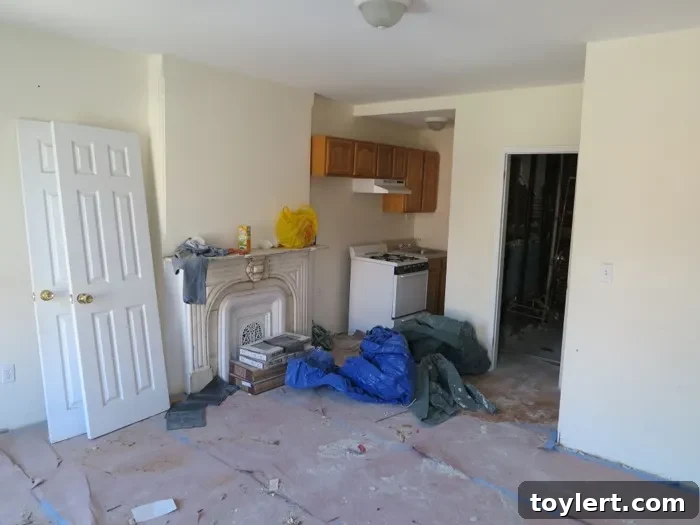
Optimizing Your Home Renovation: A Deep Dive into the FHA 203K Inspection Process
Embarking on a home renovation project can be both exciting and daunting. For many prospective homeowners and those looking to revitalize their current properties, the FHA 203K loan offers a lifeline, blending the cost of a home purchase or refinance with renovation expenses into a single, convenient mortgage. This unique loan program, backed by the Federal Housing Administration, is designed to facilitate the purchase or refinancing of properties that require repairs, ensuring they meet FHA’s minimum property standards and providing the necessary funds for improvements. However, the smooth execution of a 203K loan heavily relies on a meticulous and often misunderstood component: the 203K inspection. This isn’t just a bureaucratic hurdle; it’s the lynchpin that ensures quality, compliance, and proper financial disbursement throughout your renovation journey.
The Cornerstone of Renovation: Understanding the FHA 203K Inspection
At its core, the FHA 203K inspection is the official verification of work completed on a property undergoing rehabilitation under the 203K loan program. It’s an indispensable step that connects the physical progress of your renovation with the financial aspects of your loan. Unlike a standard home inspection that assesses a property’s condition before purchase, the 203K inspection specifically validates that approved repair and renovation work has been carried out according to the scope of work, budget, and FHA guidelines. This critical oversight ensures that funds are only released for work that has been demonstrably completed and meets the required standards. Without this crucial verification, the integrity of the renovation could be compromised, potentially leading to costly future repairs or disputes.
Why Inspections Are Crucial for All Stakeholders
The importance of these inspections extends far beyond a simple checklist. For the homeowner, it provides peace of mind, knowing that their investment is protected and that the contractor is delivering on their promises. It acts as a safeguard against shoddy workmanship, ensuring that the property will meet the structural integrity and aesthetic quality expected. It’s their assurance that the renovation funds are being used wisely and effectively to enhance their home. For the lender, it mitigates risk by guaranteeing that the loan funds are being appropriately allocated to enhance the property’s value, thereby securing their investment. The lender needs to ensure the property’s value increases in line with the disbursed funds. From a contractor’s perspective, while sometimes viewed as a bottleneck, the inspection is the gateway to payment, providing a structured mechanism for receiving funds for completed work. This system ensures contractors are compensated fairly for verifiable progress. Without these regular inspections, the entire renovation process could devolve into disputes over progress and payment, leading to costly delays and potential financial strain for all parties involved.
The Indispensable Role of the FHA 203K Consultant
Central to the success of any FHA 203K project is the 203K consultant. This individual is not merely an inspector; they are a project manager, an advisor, and the official FHA representative for your renovation. You are required to select a qualified 203K consultant when applying for the loan, and their expertise is invaluable from the initial planning stages right through to the final sign-off. Their primary role is to act as an impartial third party, ensuring that the renovation adheres to FHA standards, the approved scope of work, and the budget. They are the eyes and ears on the ground, making sure your renovation journey is smooth and compliant.
Who is a 203K Consultant and What Do They Do?
An FHA 203K consultant is a specially trained and FHA-approved professional with extensive knowledge of construction, rehabilitation, and FHA guidelines. Their journey with your project begins long before any hammer is swung. Initially, they help assess the property’s needs, define a clear scope of work, and assist in developing a detailed renovation budget. This initial consultation is vital, as it lays the groundwork for the entire project, ensuring that all necessary repairs and desired improvements are factored in realistically. They act as a bridge between the homeowner, the contractor, and the lender, translating complex construction plans into actionable steps that align with the 203K program requirements. Their expertise helps prevent costly oversights and ensures a realistic approach to your renovation goals.
From Scope to Budget: The Consultant’s Responsibilities
Based on the initial assessment, the consultant generates a comprehensive “Work Write-Up” and “Feasibility Study.” The Work Write-Up details every aspect of the renovation, from materials to labor, providing a clear roadmap for the contractor to follow. The Feasibility Study ensures that the proposed renovation makes financial sense, confirming that the post-renovation value of the home will adequately support the total loan amount. This protects both the homeowner from over-investing and the lender’s security interest. Moreover, it is the consultant who determines the number of “draws” — the scheduled payments and corresponding inspections. This critical decision is based on the project’s complexity, budget, and duration, ensuring that funds are released incrementally as work progresses. This systematic approach prevents contractors from receiving large sums upfront without demonstrable progress, thereby safeguarding the homeowner’s interests and the lender’s investment.
Ensuring Compliance and Quality Throughout the Project
Beyond the initial planning, the 203K consultant conducts mandatory inspections at various stages of the renovation. These inspections are not superficial; they involve a thorough review of the work completed against the approved Work Write-Up and FHA property standards. They verify the quality of materials used, the adherence to local building codes, and the overall progress of the project. This ensures that the construction is not only cosmetically appealing but also structurally sound and up to code. If any deficiencies are found, the consultant will require them to be rectified before approving the draw for that stage. This continuous oversight ensures that the renovation remains on track, within budget, and meets all regulatory requirements, ultimately leading to a higher quality finished product and a smooth closing process for the homeowner. Their vigilance is key to a successful outcome.
Navigating the Financial Flow: Draws, Inspections, and Contractor Payments
The system of “draws” is fundamental to how funds are disbursed in an FHA 203K renovation. Understanding this process is crucial for both homeowners and contractors, as it directly impacts project timelines and financial stability. Draws are essentially scheduled payments released from the renovation escrow account to the contractor as specific phases of work are completed and verified by the 203K consultant. This staggered payment system is a key protective measure built into the 203K program, designed to minimize risk and ensure accountability.
What are “Draws” in 203K Loans?
A “draw” signifies a portion of the total renovation loan amount that is disbursed to the contractor upon the satisfactory completion of a predefined set of work. The number of draws typically ranges from two to five, depending on the scale and complexity of the renovation. For instance, a small project might only have an initial draw for materials and a final draw upon completion, while a major overhaul could involve multiple draws for demolition, framing, plumbing, electrical, finishes, and final touch-ups. Each draw is contingent upon a successful inspection by the 203K consultant, ensuring that financial releases are directly tied to tangible progress and quality. This structure safeguards the homeowner’s investment, as funds are only released for work that has been verified.
The Draw Schedule: A Step-by-Step Guide
The draw schedule is established by the 203K consultant at the outset of the project, taking into account the various phases of construction. Here’s a typical progression:
- Initial Draw Request: Often, a small initial draw may be approved for the contractor to purchase necessary materials to begin work. This is usually released after the first consultant inspection confirms the project’s commencement and validates the contractor’s initial setup.
- Intermediate Draws: As significant milestones are reached (e.g., plumbing rough-in complete, electrical work done, new roof installed), the contractor requests a draw. The consultant then visits the site, inspects the completed work, and if satisfied, approves the release of funds for that specific phase. This iterative process ensures continuous oversight.
- Final Draw: The final draw is released only after all renovation work has been completed to the satisfaction of the 203K consultant and the homeowner, and all necessary permits have been closed. This typically includes a comprehensive final inspection to confirm overall quality, compliance with all specifications, and the successful completion of the entire project.
Each draw request necessitates an on-site visit from the 203K consultant to verify the completion of the specific items outlined for that draw. This methodical approach ensures accountability and transparency throughout the renovation, giving homeowners confidence in the process.
The Inspection-Payment Link: A Contractor’s View
From the contractor’s perspective, the 203K inspection is probably the single most important part of the 203K process when it comes to getting paid. Contractors don’t receive payment for their work until an inspection actually takes place and the consultant approves the draw. This direct link between inspection and payment incentivizes contractors to perform quality work in a timely manner, as delays in completing work or addressing deficiencies directly impact their cash flow. While contractors must understand and adapt to this structured payment system, it also offers them assurance that funds are available once their work is verified, reducing the risk of non-payment often associated with less regulated private projects. It creates a fair and verifiable system for all parties.
Protecting Your Investment: Why Timely Inspections Are Key
Timeliness in scheduling and conducting 203K inspections is paramount. Delays can ripple through the entire project, impacting material deliveries, subcontractor schedules, and ultimately, the project completion date. These delays can also lead to increased carrying costs on the loan for the homeowner. Homeowners should actively engage with their consultant and contractor to ensure inspections are scheduled promptly once a draw phase is nearing completion. A proactive approach here helps maintain momentum, keeps the project on budget, and minimizes the risk of extended carrying costs on the loan. It’s a collaborative effort where clear communication among all parties—homeowner, contractor, lender, and consultant—is essential for a smooth and efficient renovation process.
Preparing for Your 203K Inspection: A Homeowner’s Guide
As a homeowner utilizing an FHA 203K loan, understanding your role in the inspection process is vital for a successful renovation. Your active participation and informed decisions can significantly streamline the project and ensure your vision comes to life, turning a property into your ideal home.
Selecting the Right Consultant
The choice of your 203K consultant is one of the most critical decisions you’ll make. Seek out professionals with a strong track record, excellent communication skills, and a deep understanding of local building codes and FHA requirements. Don’t hesitate to interview several candidates and check references. A competent consultant will be your greatest asset, guiding you through the complexities and advocating for your best interests, ensuring the renovation aligns with both your vision and FHA standards.
Communicating with Your Contractor
Establish clear lines of communication with your contractor from day one. Ensure they fully understand the 203K process, especially the draw schedule and the requirement for consultant inspections before payment. Regular meetings, clear project updates, and prompt addressing of any concerns will foster a collaborative environment and minimize misunderstandings. The contractor should inform you when they believe a phase is ready for inspection so you can coordinate with your consultant, maintaining a proactive approach to scheduling.
Understanding the Inspection Report
After each inspection, the consultant will provide a report detailing their findings. Review this report carefully. It will outline what work has been completed, what funds are approved for release, and any issues or incomplete items that need attention before the next draw. Don’t be afraid to ask questions if something is unclear. This report is your official record of progress and an important document for your loan file, providing transparency and accountability.
Addressing Potential Issues Proactively
Should an inspection reveal deficiencies or deviations from the approved scope of work, address them immediately with your contractor and consultant. Proactive problem-solving is key to preventing minor issues from escalating into major delays or cost overruns. The consultant is there to mediate and ensure that corrective actions meet FHA standards and your project’s specifications, protecting your investment and ensuring the quality of the final outcome.
Maximizing Your 203K Renovation Success
The FHA 203K loan program, with its rigorous inspection and consultant involvement, is designed to protect all parties and ensure a high-quality outcome. By embracing its structure, you can transform a property into your dream home with confidence and financial security.
Collaboration is Key
A successful 203K renovation is inherently a team effort. The homeowner, contractor, lender, and consultant must work in concert, communicating openly and respecting each other’s roles. This collaborative spirit minimizes friction, resolves issues efficiently, and keeps the project moving forward effectively, ensuring everyone is aligned towards a common goal.
Documentation and Transparency
Maintain thorough documentation of all communications, agreements, change orders, and inspection reports. Transparency throughout the process builds trust and provides a clear audit trail should any questions arise regarding progress, payments, or scope. This meticulous approach safeguards your investment and streamlines the entire renovation experience, making it less stressful and more predictable.
Long-Term Benefits of the 203K Process
While the 203K process might seem more detailed and complex than a conventional renovation, its structured nature offers significant long-term benefits. It ensures that renovations are performed to a high standard, increasing your home’s value and structural integrity for years to come. Furthermore, by consolidating renovation costs into your mortgage, it offers a financially sensible way to achieve your homeownership goals without incurring high-interest personal loans or depleting savings, making your dream home more accessible and affordable.
Empowering Your Home Transformation with the FHA 203K Loan
The FHA 203K loan program stands as an excellent opportunity for individuals looking to acquire or refinance a home that needs significant TLC. While the intricacies of the 203K inspection and consultant involvement may initially seem complex, they are fundamental safeguards designed to ensure your renovation project is executed professionally, within budget, and to the highest quality standards. By understanding the pivotal role of the 203K consultant and the systematic process of draws and inspections, homeowners can confidently navigate their renovation journey. This structured approach empowers you to transform a property, not just into a house, but into a cherished, well-built home, secured by the diligent oversight inherent in the FHA 203K program, ultimately realizing your vision for a perfect living space.