Brooklyn’s Ever-Evolving Landscape: A Deep Dive into Recent Developments
Brooklyn, a borough renowned for its vibrant culture, diverse communities, and relentless pace of change, continually finds itself at the forefront of urban transformation. From groundbreaking architectural projects that honor its past while building its future, to critical discussions on environmental protection and equitable development, staying informed about Brooklyn’s latest happenings is essential for residents and enthusiasts alike. This comprehensive overview delves into the pivotal stories shaping Brooklyn, examining how various sectors are adapting to new challenges and opportunities.
Architectural Innovation and Urban Infill: Blending Past and Future
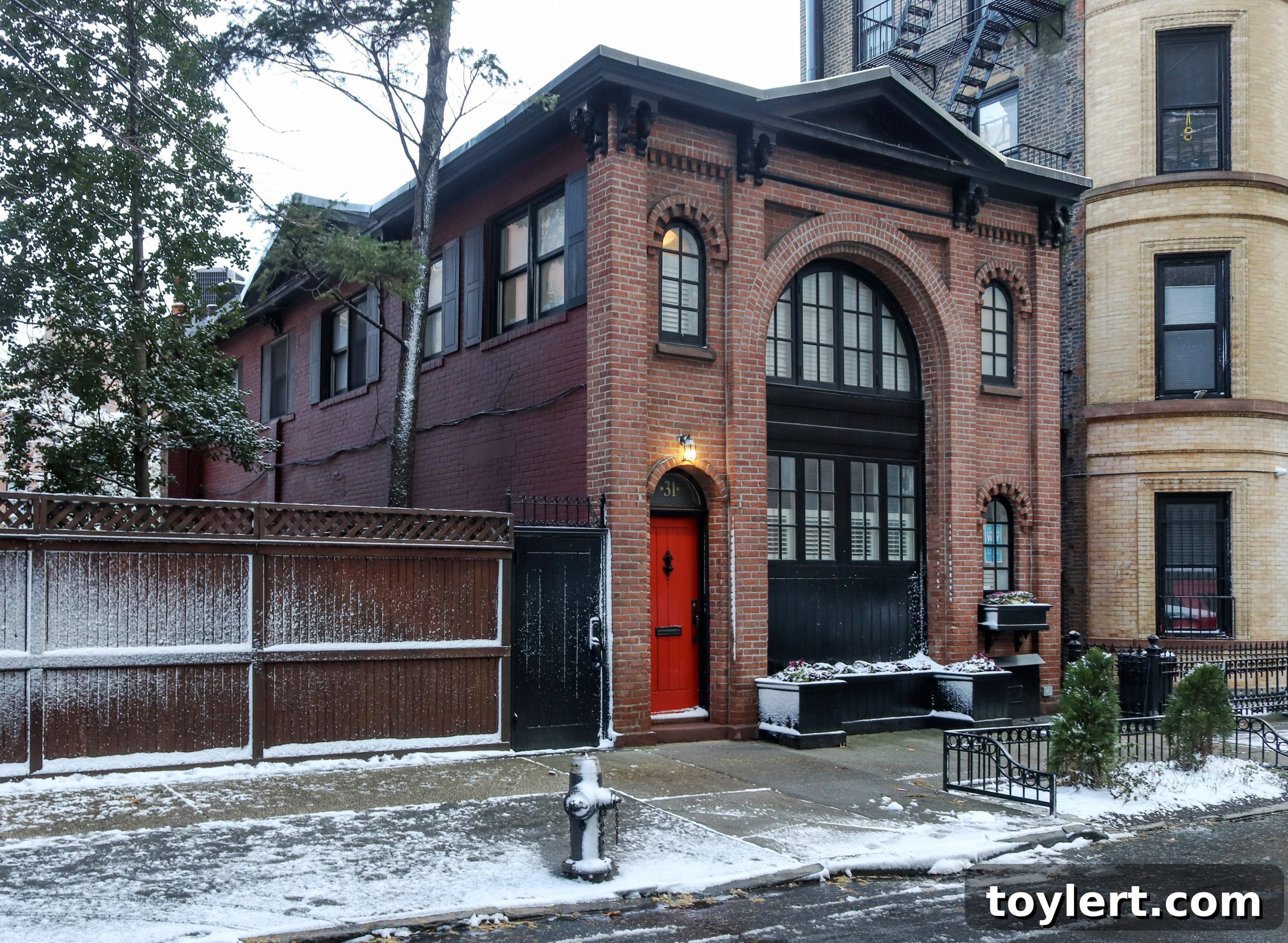
The urban fabric of Brooklyn is a fascinating tapestry woven from historic brownstones and cutting-edge contemporary designs. This ongoing dialogue between preservation and progress is particularly evident in neighborhoods undergoing rapid development. For instance, the thoughtful design of a new building in Bed-Stuy that intentionally echoes the architectural styles of the past to fill a vacant lot exemplifies a growing trend. This approach seeks to integrate modern structures seamlessly into existing historic streetscapes, ensuring that new developments enhance rather than detract from the borough’s unique charm. Such projects are crucial for addressing the perennial demand for housing and commercial spaces while maintaining the aesthetic integrity that defines so many of Brooklyn’s beloved neighborhoods.
However, large-scale developments also face their share of complexities. The Brooklyn Navy Yard, a historic industrial site reimagined as a hub for innovation and manufacturing, offers a case in point. While it continues to attract a diverse array of businesses, the commercial real estate market remains dynamic and challenging. Reports indicating stalled leasing at sites like the Navy Yard highlight the broader economic pressures and shifting demands within the co-working and office space sectors. The performance of major players like WeWork can significantly influence the trajectory of these large-scale revitalization projects, impacting everything from job creation to the overall economic health of the area. These commercial shifts underscore the need for adaptability and strategic planning in large urban development initiatives.
Environmental Stewardship: Tackling Persistent Challenges
Beyond bricks and mortar, Brooklyn’s future is intrinsically linked to its environmental health. Efforts to reclaim and protect its precious waterways, such as Newtown Creek, remain paramount. This infamous industrial waterway, which has long suffered from severe pollution, including raw sewage overflows, is a focal point for environmental advocacy. The ongoing challenge of managing Combined Sewer Overflows (CSOs) necessitates innovative and sometimes controversial solutions. Reports detailing the EPA’s approach to getting raw sewage out of Newtown Creek, particularly when opting for what some consider the “cheap route,” spark important debates about long-term sustainability versus immediate cost-effectiveness. Community groups and environmental organizations consistently advocate for more robust and permanent solutions, emphasizing the critical importance of clean water for public health, local ecosystems, and the quality of life for surrounding communities. These discussions highlight the delicate balance between urban development, economic constraints, and environmental responsibility.
Ensuring Urban Safety and Mitigating Infrastructure Risks
With its dense population and bustling streets, urban safety remains a constant concern in Brooklyn. Incidents involving reckless driving and infrastructure hazards underscore the vulnerabilities inherent in a rapidly expanding metropolis. The tragic event where a speedster plowed through scaffolding in Downtown Brooklyn, resulting in a fatality, serves as a stark reminder of the critical need for enhanced traffic safety measures and stricter oversight of urban construction sites. Downtown Brooklyn, like many other commercial hubs, features a significant amount of scaffolding, essential for building maintenance and new construction. However, these structures can pose risks, especially when combined with high-speed traffic. Such incidents prompt urgent calls for improved pedestrian safety initiatives, more stringent enforcement of traffic laws, and continuous review of building site regulations to protect residents and visitors navigating the borough’s busy thoroughfares.
The Dynamic Pulse of Brooklyn’s Local Economy and Culture
Brooklyn’s economic landscape is characterized by its vibrant small business scene and an ever-evolving cultural identity. Success stories like a Park Slope pasta shop expanding to a sprawling new space exemplify the entrepreneurial spirit thriving across the borough. These expansions not only create local jobs but also reinforce the neighborhood’s culinary reputation, contributing to Brooklyn’s status as a gastronomic destination. Such growth reflects a strong local economy and a community that values and supports independent businesses.
Concurrently, Brooklyn’s cultural fabric is constantly being rewoven. The transformation of iconic spaces, such as a beloved bar and cinema in Williamsburg being replaced by a comedy club, illustrates the ongoing shifts in entertainment preferences and neighborhood character. While some residents may feel nostalgic for institutions that have become part of the local lore, new ventures bring fresh energy and diverse offerings. Similarly, the emergence of niche businesses, like an “ASMR Spa” in Dumbo, showcases Brooklyn’s capacity for innovation and its embrace of unique wellness trends. These developments highlight the borough’s adaptability and its role as a trendsetter in both lifestyle and entertainment.
Community Governance and the Quest for Equitable Development
Beyond individual businesses and buildings, broader issues of governance and social equity significantly shape Brooklyn’s future. The impact of political scandals, as seen in the community of Sea Gate becoming “adrift” after a local politician’s corruption scandal, can have profound effects on public trust and local services. Such events underscore the importance of transparency and accountability in local government and the deep impact political decisions have on daily lives within tightly-knit communities.
Furthermore, the contentious issue of urban rezonings continues to be a central topic in Brooklyn’s development discourse. Proposals for the City Council to mandate studies on the racial impact of rezonings represent a crucial step towards fostering more equitable urban planning. Critics often argue that rezonings can exacerbate gentrification and lead to the displacement of long-standing minority communities. By requiring a thorough analysis of racial impact, policymakers aim to ensure that development benefits all residents and that growth does not come at the expense of existing community cohesion and diversity. These discussions are fundamental to shaping a Brooklyn that is inclusive and sustainable for everyone.
Conclusion: A Borough in Constant Motion
Brooklyn remains a borough in perpetual motion, a microcosm of urban life’s complexities and triumphs. From architectural feats that honor its past while envisioning its future, to critical environmental battles and the vibrant ebb and flow of its local economy and culture, the narratives emerging from Brooklyn are as diverse as its population. The ongoing debates surrounding urban planning, social equity, and public safety are testament to a community deeply engaged in shaping its destiny. As Brooklyn continues to evolve, the collective efforts of its residents, businesses, and policymakers will define its path forward, ensuring it remains a dynamic and vital part of New York City’s landscape.
Stay informed about these and other crucial developments as Brooklyn navigates its promising yet challenging future.