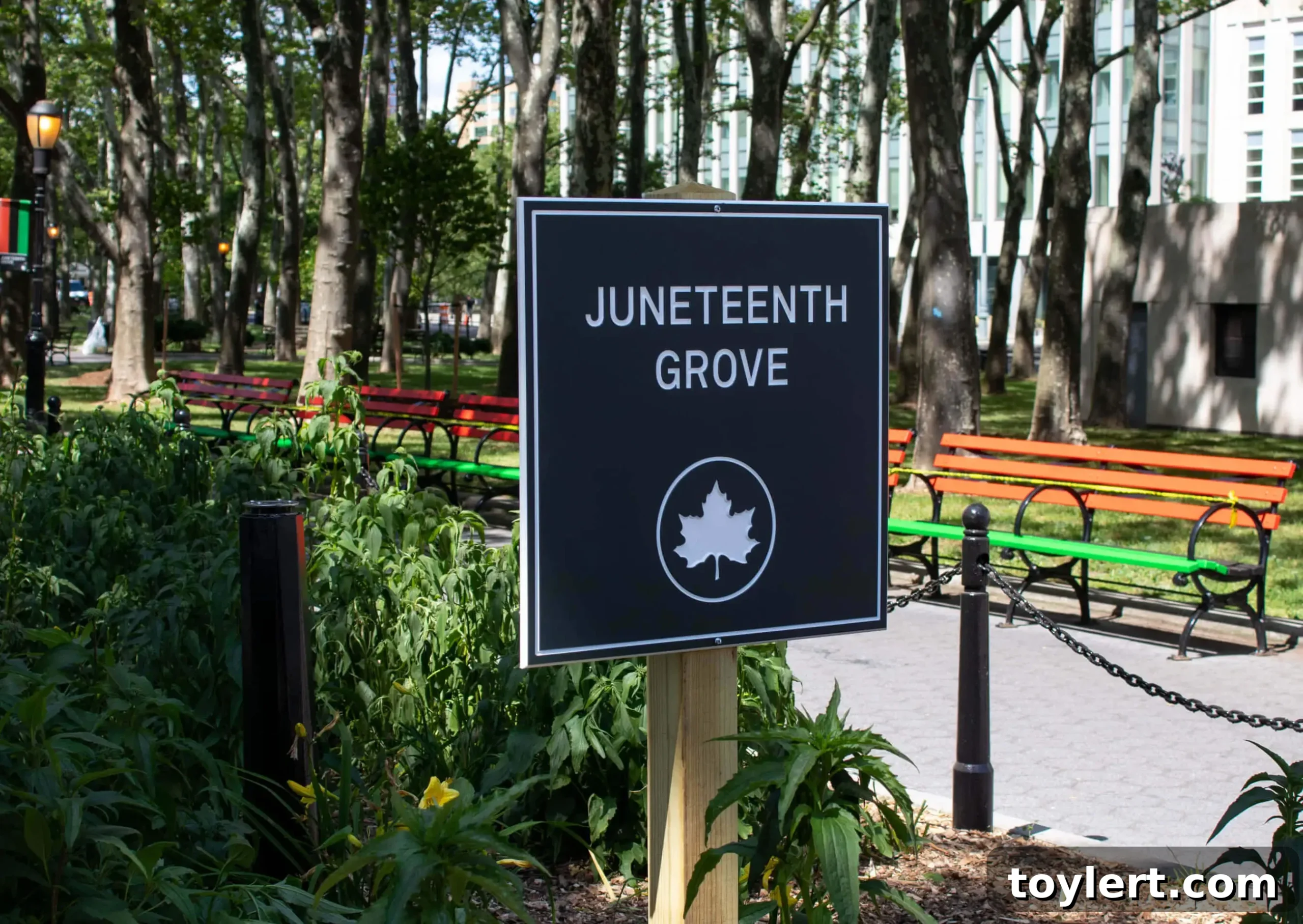
Juneteenth in Brooklyn: A Profound Celebration of Freedom and Resilience
Every year, as the warmth of June envelops Brooklyn, the borough readies itself for a deeply significant observance: Juneteenth. Far more than just a day off, Juneteenth is a powerful testament to endurance, a beacon of hope, and a vital moment for education and reflection. Across Brooklyn’s diverse neighborhoods, a vibrant array of in-person and virtual events are thoughtfully curated, offering Brooklynites unique opportunities to immerse themselves in history, celebrate African American culture, and honor the true meaning of liberation.
This article delves into the historical roots of Juneteenth, traces its evolution into a nationally recognized holiday, and explores how Brooklyn stands as a pivotal hub for commemorating this monumental day. Join us as we uncover the profound significance of Juneteenth, understanding its journey from a deferred promise to a cherished national holiday, and how Brooklyn’s community embraces its spirit with unparalleled fervor.
The Genesis of Juneteenth: Freedom’s Delayed Dawn
To truly appreciate Juneteenth, one must understand its historical context. The holiday commemorates the pivotal day of June 19, 1865, when Union Army General Gordon Granger arrived in Galveston, Texas, and issued General Order No. 3, announcing the complete emancipation of enslaved people in the state. This declaration came more than two and a half years after President Abraham Lincoln’s groundbreaking Emancipation Proclamation, which had officially taken effect on January 1, 1863.
The stark reality was that despite the Proclamation, thousands of enslaved individuals in Texas remained unaware of their freedom due to various factors, including the limited presence of Union troops in the remote state, deliberate suppression of the news by slaveholders, and the sheer logistical challenges of disseminating information across a vast land amidst a civil war. For those in Texas, June 19, 1865, was truly the day their freedom became a tangible reality, marking an end to generations of brutal bondage. This day became known as “Juneteenth,” a portmanteau of “June” and “nineteenth,” symbolizing a new dawn for African Americans.
Early Commemorations and Brooklyn’s Unique History
While Juneteenth took root in Texas, communities of newly freed African Americans across the nation often held celebrations at different times. Interestingly, Black Brooklynites of the 19th and early 20th centuries frequently held their own emancipation celebrations on or near January 1. This date aligned with the official release of the Emancipation Proclamation itself, highlighting a profound understanding and immediate embrace of Lincoln’s decree within the borough’s burgeoning Black communities. These early celebrations in Brooklyn underscored a keen awareness of national events and a proactive spirit in observing the steps toward freedom, even before Juneteenth gained widespread recognition beyond Texas.
This historical nuance reminds us that the struggle for freedom was multifaceted, and its celebrations varied. Yet, the core essence – the yearning for and celebration of liberation – remained universal among African American communities. As the nation moved through Reconstruction and into the 20th century, the significance of June 19th gradually began to resonate more broadly, evolving from a regional observance into a national touchstone for African American history and pride.
From Regional Observance to National Holiday
The journey of Juneteenth from a deeply personal, regional observance in Texas to a nationally recognized holiday is a powerful testament to the persistence and advocacy of countless individuals and communities. For decades, Juneteenth celebrations were primarily organized by African American communities, particularly descendants of those freed in Texas. These gatherings were often marked by vibrant festivities, historical reenactments, family reunions, and educational programs – all designed to keep the memory of emancipation alive and to instill pride in African American heritage.
By the late 20th century, the momentum for broader recognition grew significantly. Juneteenth transformed from a predominantly Texan commemoration into a more expansive national celebration of African American family, freedom, and achievement. It became a day to reflect on the ongoing journey toward equality, to honor the sacrifices of ancestors, and to celebrate the rich cultural tapestry woven by generations of Black Americans.
The Path to Official Recognition
Texas led the way in 1980, becoming the first state to declare Juneteenth a public holiday. This monumental step provided a crucial blueprint for other states and ignited a nationwide movement for official recognition. The call for Juneteenth to be recognized beyond community-led events gained increasing traction, fueled by a desire to bring this vital piece of American history into the mainstream public consciousness.
New York State played its part in this national movement. Initially, Juneteenth was established as a commemorative day in New York State in 2004, acknowledging its historical importance. Building on this recognition and reflecting a growing understanding of Juneteenth’s national significance, it officially became an official public holiday in the state in 2020. This move by New York State preceded the federal recognition of Juneteenth as a national holiday in 2021, underscoring the growing consensus and collective understanding of its profound place in American history.
Juneteenth in Brooklyn: A Beacon of Community and Culture
Brooklyn, a borough with a profound and storied history within the African American community, has naturally become a significant hub for Juneteenth celebrations. Its vibrant cultural landscape and deeply rooted community organizations ensure that Juneteenth is not just observed but truly celebrated and understood. This year, as in previous years, Brooklyn embraces the holiday with a mix of in-person gatherings and innovative virtual events, reflecting both tradition and adaptability.
The borough’s diverse events offer something for everyone. From educational workshops hosted by historical societies like Weeksville Heritage Center and the Wyckoff House Museum, which delve into the lives and resilience of early Black Brooklynites, to spirited musical performances that showcase the rich heritage of African American artists, Juneteenth in Brooklyn is a tapestry of learning and celebration. Community centers and local organizations host family-friendly festivals with storytelling, art exhibitions, and culinary experiences that highlight African diasporic traditions. These events serve as crucial platforms for intergenerational dialogue, ensuring that the stories of freedom and perseverance are passed down, fostering a sense of shared identity and pride.
The spirit of Juneteenth in Brooklyn is one of unity and purpose. It’s a time when neighbors come together not just to enjoy festivities, but to engage in meaningful conversations about racial justice, equality, and the ongoing work required to uphold the ideals of freedom for all. These celebrations are deeply woven into the fabric of Brooklyn, reflecting its commitment to honoring history while actively shaping a more equitable future.
Embracing Education and Legacy
A core component of Brooklyn’s Juneteenth observances is a strong emphasis on education. Many events are designed to be didactic, shedding light on lesser-known aspects of emancipation and the sustained struggle for civil rights. Museums and cultural institutions host lectures, panel discussions, and interactive exhibits that challenge attendees to deepen their understanding of American history, encouraging critical thought about the legacy of slavery and its impact on contemporary society.
For instance, historical sites often highlight how communities, even those far from Galveston, organized themselves, advocated for their rights, and built institutions that continue to thrive. This focus on local history enriches the Juneteenth experience, connecting national narratives to the specific contributions and struggles of Black Brooklynites through the centuries. By fostering environments for learning and remembrance, Brooklyn ensures that Juneteenth remains a dynamic and relevant holiday, one that not only looks back at a pivotal historical moment but also inspires forward momentum toward a more just society.
Why Juneteenth Matters More Than Ever
In an era demanding greater understanding and reconciliation, Juneteenth resonates with profound significance. It serves as a vital reminder that the promise of freedom and equality, though declared, often required sustained struggle and advocacy to be realized for all Americans. The delayed emancipation in Texas symbolizes the uneven and often frustrating path toward true liberation, underscoring that freedom is not merely granted but often hard-won and continually defended.
Today, Juneteenth is a powerful opportunity for all Americans to reflect on the nation’s past, acknowledge its complexities, and commit to the ongoing pursuit of justice and equity. It’s a moment to celebrate the immense resilience, creativity, and contributions of African Americans to the fabric of the United States. For younger generations, particularly in a vibrant and historically rich borough like Brooklyn, Juneteenth offers an invaluable lesson in history, perseverance, and the importance of civic engagement. It’s a call to action, reminding us that the fight for civil rights is an enduring one, requiring constant vigilance and collective effort.
Join the Celebration: Experience Juneteenth in Brooklyn
As Brooklyn observes Juneteenth, it extends an open invitation to all its residents and visitors to participate in the rich tapestry of events. Whether you choose to attend an insightful historical lecture, enjoy a spirited musical performance, partake in a community festival, or simply engage in personal reflection, there are countless ways to honor this significant day.
Juneteenth in Brooklyn is more than just a holiday; it’s an experience that celebrates resilience, educates on a pivotal chapter of American history, and fosters a renewed commitment to justice and equality. By participating, you contribute to a legacy of remembrance and hope, helping to ensure that the stories of freedom and the journey toward it are never forgotten. Embrace the opportunity to connect with history, celebrate culture, and strengthen the bonds of community in one of the most dynamic boroughs in the world.