Brooklyn, one building at a time.
St. Philips Episcopal Church: A Beacon of History and Community in Stuyvesant Heights
Nestled within the picturesque and historically rich neighborhood of Stuyvesant Heights, Brooklyn, stands a building that transcends mere architecture, embodying a vibrant narrative of faith, community, and resilience. Originally known as the Episcopal Church of the Good Shepherd, this distinguished edifice at 334 MacDonough Street, now recognized as St. Philips Episcopal Church, is a profound testament to how the events unfolding within a structure can be as significant, if not more so, than its physical form. Since 1944, this church has been an indispensable cornerstone of African-American life and culture in the heart of Bedford Stuyvesant, shaping generations and serving as a spiritual and social anchor.
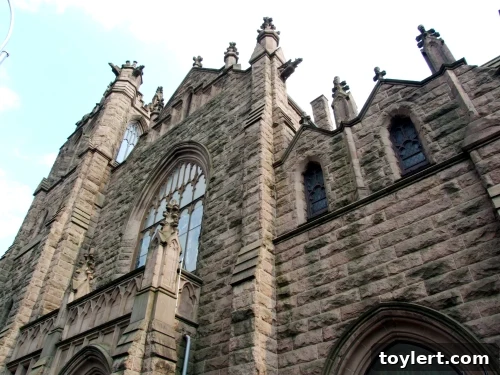
Its striking English Gothic architecture, conceived by the notable architect Arnie Delhi, provides a visual anchor in the streetscape, beckoning observers to delve into its storied past. This article will explore the architectural grandeur, the historical evolution, and the enduring communal importance of this pivotal Brooklyn landmark.
Architectural Splendor: An English Gothic Masterpiece by Arnie Delhi
The Episcopal Church of the Good Shepherd, completed between 1898 and 1899, is a quintessential example of the English Gothic revival style that captivated architects and patrons in the late 19th century. This period saw a renewed appreciation for the intricate details, verticality, and spiritual grandeur of medieval European cathedrals, translated into an American context. Arnie Delhi, the architect behind this Brooklyn gem, was a significant figure in metropolitan area ecclesiastical design, known for his work on numerous churches and other buildings, including the notable St. Jerome Roman Catholic Church in the Bronx.
Delhi’s design for 334 MacDonough Street skillfully incorporates the hallmark features of English Gothic architecture. One would typically observe pointed arches, which are fundamental to the style, guiding the eye upwards and symbolizing aspiration towards the divine. The structure likely features robust masonry, possibly of local brownstone or brick, meticulously crafted to emulate the durability and aesthetic of its European predecessors. Intricate stone carvings, known as tracery, would adorn window frames, lending delicate beauty to the formidable stone. Gable roofs, often steeply pitched, would contribute to the church’s commanding presence, possibly complemented by decorative finials or parapets.
The exterior composition of the church would almost certainly feature a prominent tower or spire, a defining element of Gothic architecture, serving as a visual landmark and housing bells that once tolled across the neighborhood. Stained-glass windows, though not explicitly mentioned for this specific church, are an integral part of Gothic churches, designed to filter light and depict biblical narratives or symbolic imagery, creating an ethereal atmosphere within the sanctuary. Inside, one might anticipate a lofty nave, perhaps with ribbed vaulting overhead, creating a sense of expansive space and solemnity. The use of natural light, carefully controlled through strategically placed windows, would illuminate the interior, enhancing the spiritual experience and fostering a sense of reverence.
Arnie Delhi’s expertise in religious architecture allowed him to imbue St. Philips with both aesthetic beauty and functional reverence. His ability to adapt historical styles to contemporary needs, while maintaining a high degree of craftsmanship, cemented his reputation in the late 19th and early 20th century. The enduring presence of this church stands as a testament to his architectural legacy and the timeless appeal of the English Gothic style, making it a significant piece of Brooklyn’s architectural heritage.
A Pillar of Stuyvesant Heights: Historical Context and Landmarking
The choice of Stuyvesant Heights as the location for the Episcopal Church of the Good Shepherd was no accident. In the late 19th century, Brooklyn was experiencing rapid growth, and neighborhoods like Stuyvesant Heights were developing into desirable residential enclaves for the burgeoning middle and upper-middle classes, many of whom were seeking refuge from the increasingly crowded Manhattan. The area became renowned for its magnificent rows of brownstones and tree-lined streets, creating a distinct and elegant urban landscape that attracted discerning residents.
Churches of this era often served as central institutions in these new communities, providing not only spiritual guidance but also social cohesion, educational programs, and a venue for civic engagement. They were gathering places that helped to forge a sense of identity and shared purpose among residents. The establishment of the Episcopal Church of the Good Shepherd reflected the aspirations and values of its early parishioners, contributing significantly to the social and cultural fabric of a rapidly evolving neighborhood.
The architectural and historical significance of 334 MacDonough Street did not go unnoticed. In 1971, the building was officially landmarked as part of the broader Stuyvesant Heights Historic District. This designation is a crucial acknowledgement of the area’s unique character and historical integrity, ensuring that architectural treasures like St. Philips Episcopal Church are protected for future generations. Landmark status means that significant alterations to the exterior are carefully reviewed and regulated, preserving the original design and the overall aesthetic harmony of the district. This recognition underscores the church’s role not just as a religious institution, but as an irreplaceable piece of Brooklyn’s architectural heritage, reflecting the historical development and cultural identity of Stuyvesant Heights.
St. Philips Episcopal Church: A Living Legacy for the African-American Community
While the architectural details and the era of its construction are vital to its story, the true heart of St. Philips Episcopal Church lies in its profound connection to the African-American community of Bedford Stuyvesant. Beginning in 1944, a pivotal year in its history, the church embraced a new and vital role, becoming a central hub for African-American life and culture during a period of significant social and demographic change in New York City.
The mid-20th century witnessed the Great Migration, a mass movement of African Americans from the Southern states to Northern cities, including New York. Bedford Stuyvesant, with its growing African-American population, transformed into a vibrant cultural and social center. Churches, in this context, were far more than simply places of worship; they were indispensable community centers, organizing points for civil rights activism, educational institutions, and safe havens for cultural expression. The Episcopal Church of the Good Shepherd, under its new identity as St. Philips, rose to meet these multifaceted needs with unwavering dedication and commitment.
Throughout the Civil Rights Movement and the subsequent decades, St. Philips Episcopal Church played a critical role in advocating for social justice, racial equality, and community empowerment. It likely hosted numerous meetings, rallies, and discussions that shaped local political discourse and galvanized action within the community. Beyond activism, the church became a nurturing ground for cultural identity, offering spaces for vibrant gospel choirs, impactful youth programs, essential adult education initiatives, and wide-ranging community outreach programs that addressed pressing social issues like poverty, housing disparities, and access to quality education. Its influence extended beyond its walls, fostering a sense of collective strength and progress.
The renaming to St. Philips Episcopal Church itself symbolizes a renewed purpose and a profound commitment to its congregation and the wider community. It signifies a church that adapted, evolved, and steadfastly served its community through periods of immense challenge and transformative change. Its doors have remained open, providing spiritual guidance, crucial social support, and an invaluable sense of belonging to countless individuals and families. From baptisms and weddings that mark new beginnings, to funerals that honor lives lived, and weekly services that offer solace and inspiration, the church has been a constant witness to the joys and sorrows, triumphs and struggles, that define human experience.
Today, St. Philips Episcopal Church continues its legacy with robust vitality, standing as a living monument to the strength, faith, and enduring spirit of the African-American community in Brooklyn. It remains a testament to the powerful idea that a building’s true value is measured not just by its architectural design, but by the lives it touches, the history it helps to write, and the unwavering hope it inspires.
Key Details at a Glance:
Former Name: Episcopal Church of the Good Shepherd
Current Name: St. Philips Episcopal Church
Address: 334 MacDonough Street
Cross Streets: Lewis Avenue and Stuyvesant Avenue
Neighborhood: Stuyvesant Heights, Bedford Stuyvesant
Year Built: 1898-1899
Architectural Style: English Gothic
Architect: Arnie Delhi
Other Noteworthy Work by Architect: St. Jerome Roman Catholic Church, Bronx, and various other ecclesiastical and secular structures across the metropolitan area.
Landmark Status: Yes, a designated part of the Stuyvesant Heights Historic District since 1971.
Visiting St. Philips Episcopal Church: An Invitation to Explore
For those interested in Brooklyn’s rich architectural tapestry and social history, a visit to St. Philips Episcopal Church offers a uniquely rewarding experience. Located conveniently at the intersection of significant thoroughfares, it is easily accessible within the vibrant Stuyvesant Heights neighborhood, a locale celebrated for its historical integrity and charming streetscapes. As you approach 334 MacDonough Street, take a moment to appreciate the intricate details of its English Gothic facade—the pointed arches, the robust stone masonry, and the overall verticality that defines the style. Imagine the meticulous craftsmanship that went into its construction over a century ago and the countless stories it has silently witnessed through generations.
The surrounding blocks of Stuyvesant Heights are themselves a living museum, characterized by impeccably preserved brownstones and a serene, tree-lined atmosphere that harks back to an earlier era of Brooklyn elegance. Walking through this historic district provides a deeper understanding of the context in which St. Philips was built and how it has remained an integral part of the community’s identity, seamlessly blending historical reverence with contemporary life. The church is not merely an old building; it is an active, breathing entity that continues to serve its congregation and the wider community, fostering spiritual growth, social engagement, and a strong sense of collective purpose.
Whether you are an architecture enthusiast eager to study late 19th-century revival styles, a history buff keen on exploring the African-American experience in Brooklyn, or simply someone looking to connect with the heart and soul of this dynamic borough, St. Philips Episcopal Church offers a poignant reminder of the enduring power of community and heritage. Its majestic presence on MacDonough Street is a testament to the continuous evolution of Brooklyn, a city constantly reinventing itself while holding fast to the cherished landmarks that define its soul. This cherished landmark continues to stand as a beacon, guiding, inspiring, and connecting generations with its profound spiritual and historical significance.