The Enduring Spirit: Hurricane Sandy’s Impact on Coney Island’s Historic Shore Theater
In October 2012, Hurricane Sandy unleashed its devastating force upon the East Coast of the United States, leaving a trail of unprecedented destruction in its wake. Among the many communities profoundly affected was Coney Island, Brooklyn, a vibrant emblem of American amusement and coastal culture. While the storm’s fury spared little, its impact on the iconic, landmarked Shore Theater became a poignant symbol of the wider challenges faced by historic structures in the face of extreme weather. The theater, a testament to Coney Island’s rich past, sustained visible and heartbreaking damage, particularly to its grand exterior signage, drawing immediate concern for its future and the safety of the surrounding area.
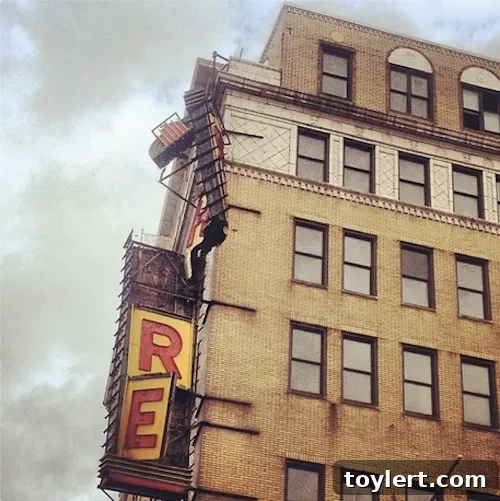
The initial reports from the aftermath painted a grim picture. As noted by Coneyislandfun on Twitter, the “damage is extensive and heartbreaking,” with an immediate focus shifting to public safety. While the extent of interior damage to the Shore Theater remained an initial question mark, the visible wreckage was alarming enough to warrant urgent attention. The iconic sign, which had graced the theater’s facade for decades, was violently twisted and appeared precariously attached, threatening to collapse onto the street below. This immediate hazard necessitated the blocking off of the area with caution tape, as documented by Amusing the Zillion, underscoring the severe and tangible threats posed by the storm’s powerful winds.
The Fury of Hurricane Sandy and Coney Island’s Vulnerability
Hurricane Sandy was an extraordinary event, characterized by its immense size, unusual trajectory, and potent combination of high winds, torrential rain, and a historic storm surge. When it made landfall near Atlantic City, New Jersey, on October 29, 2012, it sent a massive wall of water crashing into the shores of New York and New Jersey. Coney Island, situated at the southwestern tip of Brooklyn, found itself directly in the path of this ferocious storm. Its low elevation and extensive coastline made it exceptionally vulnerable to the catastrophic flooding that submerged streets, homes, and businesses. Beyond the inundation, the hurricane’s sustained high winds battered structures, tearing at anything not firmly anchored.
The amusement district, famous for its Cyclone roller coaster and Wonder Wheel, faced unprecedented levels of destruction. Saltwater infiltration corroded vital machinery, sand choked vital infrastructure, and boardwalk sections were ripped apart. Amidst this widespread devastation, the integrity of Coney Island’s historic buildings became a significant concern. Many of these structures, built decades ago, were not designed to withstand the kind of climate challenges that Sandy presented, highlighting a critical need for enhanced resilience strategies for urban heritage sites.
The Historic Shore Theater: A Glimpse into Coney Island’s Past
The Shore Theater, a magnificent example of early 20th-century architecture, stands as a grand sentinel on Surf Avenue, a silent witness to Coney Island’s evolving narrative. Opened in 1925, it was originally known as the Loew’s Coney Island Theatre, an opulent movie palace designed by the prolific architectural firm of DeRosa & Pereira. Its facade boasted a distinctive blend of Neo-Renaissance and Art Deco elements, featuring elaborate terra cotta ornamentation, grand arches, and a towering marquee that once illuminated the vibrant streetscape below. Inside, the theater featured lavish decorations, intricate plasterwork, and seating for thousands, offering an escape into the magical world of cinema and live performances.
Beyond its architectural grandeur, the Shore Theater holds immense cultural significance. It was more than just a place to watch films; it was a community hub, a gathering place where generations of Coney Island residents and visitors shared collective experiences. Its designation as a New York City landmark underscores its invaluable contribution to the city’s architectural and cultural heritage, signifying its protected status and the collective desire to preserve its historical integrity. However, prior to Hurricane Sandy, the theater had been vacant for many years and was reportedly for sale, its once-glorious interiors succumbing to neglect and decay. You can still see interior shots of the theater taken that same year, offering a haunting glimpse of its former splendor before the storm. This pre-existing vulnerability only amplified the concerns surrounding its post-Sandy condition.
The Immediate Aftermath: Damage and Disruption
The immediate visual impact of Hurricane Sandy on the Shore Theater was dramatic and deeply unsettling. The photographs circulated in the storm’s aftermath, including those shared by Amusing the Zillion, clearly showed the theater’s iconic sign, a beacon of its identity, grotesquely contorted. Twisted metal, shattered glass, and dangling components created a perilous scene. This wasn’t merely cosmetic damage; the structural integrity of the sign was severely compromised, posing a direct threat to anyone passing below. The quick action to cordon off the area with caution tape was a testament to the immediate danger and the swift response required to protect public safety amidst the chaos.
While the focus of early reports naturally gravitated towards the visible exterior damage, questions lingered about potential interior harm. A vacant building, especially one with a compromised roof or facade, is particularly susceptible to water infiltration during a major storm. The relentless rain and powerful storm surge could have caused extensive damage to the theater’s already decaying interior, accelerating its deterioration. Structural integrity, water damage to historical elements, and the proliferation of mold would have become immediate concerns, adding layers of complexity to any future restoration efforts. The sight of the damaged sign served as a stark reminder of the fragile nature of historic preservation when confronted by the immense power of natural disasters.
Coney Island’s Road to Recovery and the Theater’s Future
In the years following Hurricane Sandy, Coney Island embarked on a resilient journey of recovery and rebuilding. The community, along with city agencies and private investors, worked tirelessly to restore the beloved amusement park, repair the boardwalk, and revitalize local businesses. The spirit of Coney Island, known for its enduring optimism and festive atmosphere, shone through the challenging times. This broader recovery effort, however, brought the future of individual landmarks like the Shore Theater into sharper focus.
Restoring a landmarked building of the Shore Theater’s scale and historical significance is a monumental undertaking, made even more challenging by the damage inflicted by Sandy and its pre-existing state of disrepair. Such a project requires substantial financial investment, specialized architectural expertise, and a delicate balance between preserving historical authenticity and incorporating modern safety and functionality standards. Discussions have long revolved around potential new uses for the theater – from a revived performance venue to a mixed-use cultural and commercial space – each option presenting its own set of opportunities and obstacles. The hope remains that this architectural gem can once again become a vibrant part of Coney Island’s future, an anchor for cultural events, and a testament to the community’s perseverance. Its rebirth would not only honor its past but also serve as a beacon of renewed life for the entire neighborhood.
Lessons in Resilience: Protecting Our Heritage from Future Storms
Hurricane Sandy served as a harsh but invaluable lesson for New York City and coastal communities worldwide. It underscored the increasing vulnerability of urban infrastructure, including precious historic sites, to the impacts of climate change and more frequent extreme weather events. For landmarks like the Shore Theater, the storm highlighted the critical need for proactive disaster preparedness plans, comprehensive risk assessments, and robust mitigation strategies. This includes fortifying structures, implementing flood protection measures, and having rapid response protocols in place to minimize damage and accelerate recovery.
The fate of the Shore Theater in the wake of Sandy is a powerful reminder that preserving our cultural heritage is not just about appreciating the past; it’s about safeguarding it for future generations in an increasingly challenging environment. As Coney Island continues to evolve and adapt, the story of the Shore Theater’s damage and its potential for restoration remains a vital narrative within the broader discussion of urban resilience, architectural preservation, and the enduring spirit of a community that refuses to be diminished by the forces of nature. The dream of seeing its grand marquee lit once more, signaling a new chapter for this historic landmark, continues to inspire hope and action.
Photo via ConeyIslandFun