Exploring Brooklyn’s Dynamic Landscape: Real Estate, Community, and Urban Evolution
Brooklyn, New York’s most populous borough, stands as a vibrant testament to urban dynamism, a place where history intertwines with relentless modernization. From its iconic brownstones to its soaring new developments, Brooklyn offers a compelling narrative of growth, community spirit, and continuous transformation. This diverse borough continues to capture the imagination of residents, developers, and investors alike, driven by its unique blend of cultural richness, economic opportunity, and distinct neighborhood identities. Understanding Brooklyn’s evolving landscape requires a closer look at its pivotal real estate trends, significant community initiatives, and the delicate balance between preserving its cherished past and embracing an ambitious future.
The borough’s allure is multifaceted, drawing individuals and businesses with its thriving arts scene, diverse culinary offerings, expansive green spaces, and a strong sense of local community. However, this popularity also brings challenges, particularly in the realm of housing affordability and infrastructure development. As Brooklyn continues its trajectory as a global urban center, the discourse around sustainable growth, equitable development, and community impact becomes increasingly vital.
The Evolving Fabric of Brooklyn Real Estate: Development and Affordability
Brooklyn’s real estate market is a powerhouse, consistently showcasing significant activity across residential and commercial sectors. New developments are continually reshaping skylines and neighborhood demographics, reflecting both the borough’s economic vitality and the pressing demand for housing. However, the narrative of growth is incomplete without addressing the critical component of affordability, a topic at the forefront of urban planning discussions.
Pioneering Affordable Housing Initiatives
Major projects, such as those within Pacific Park, exemplify Brooklyn’s commitment to addressing the housing crisis. The completion of large-scale affordable housing towers represents a significant step towards providing accessible living options within a rapidly gentrifying urban environment. These developments are not merely buildings; they are foundational to fostering diverse communities and ensuring that Brooklyn remains a place for everyone, not just the affluent. The success of such projects often hinges on intricate public-private partnerships, navigating complex zoning regulations, and community input to ensure that new housing genuinely serves the needs of the borough’s diverse population. The drive for more affordable units continues to be a cornerstone of Brooklyn’s long-term urban strategy, aiming to balance economic growth with social equity.
Developers and city planners face the continuous challenge of integrating these large-scale projects into existing neighborhoods while preserving local character and minimizing displacement. The dialogue around affordable housing in Brooklyn is robust, involving residents, advocacy groups, and government agencies, all striving to forge a path that supports both robust development and inclusive communities. The impact of these towering structures extends beyond their physical footprint, influencing local economies, transportation networks, and the overall quality of life for thousands of residents.
Luxury and Modern Living Amidst Historic Charm
Beyond affordability, Brooklyn also caters to a market seeking luxury and innovative design. Neighborhoods like Park Slope, renowned for their stunning brownstones and tree-lined streets, perfectly illustrate the borough’s ability to blend classic architectural beauty with modern sensibilities. Here, homes often undergo meticulous renovations that preserve their historic charm while incorporating state-of-the-art amenities and contemporary design elements. This harmonious blend creates truly eclectic living spaces that appeal to a wide array of residents, from young professionals to growing families, who appreciate both heritage and modernity. The demand for such unique properties underscores Brooklyn’s reputation as a desirable place to live, where quality of life and aesthetic appeal go hand in hand.
The architectural landscape of Brooklyn is a dynamic canvas, reflecting centuries of development. From the ornate details of Victorian-era homes to sleek, minimalist new constructions, the borough offers a visual journey through various periods and styles. This architectural diversity is a key part of Brooklyn’s identity, attracting those who seek unique living environments that tell a story. The preservation of historical districts, alongside the advent of cutting-edge design, ensures that Brooklyn remains visually captivating and structurally diverse.
Neighborhood Spotlights: A Tapestry of Brooklyn Life
Brooklyn is a mosaic of distinct neighborhoods, each possessing its own unique character, challenges, and charm. From industrial-turned-trendy zones to verdant suburban oases, these communities form the backbone of the borough’s identity and contribute significantly to its allure. Exploring these areas offers a deeper understanding of Brooklyn’s multifaceted appeal.
Sunset Park’s Commercial Renaissance and Investment Opportunities
Sunset Park, a neighborhood historically known for its industrial roots and vibrant immigrant communities, is undergoing a significant commercial renaissance. The acquisition of properties for substantial sums, such as the $40 million purchase of a pair of buildings, signals strong investor confidence in the area’s burgeoning potential. This investment is transforming parts of Sunset Park into hubs for creative industries, tech startups, and diverse retail establishments, attracting new businesses and residents. The revitalization is breathing new life into once-dormant industrial spaces, converting them into modern commercial complexes while striving to maintain the neighborhood’s unique cultural heritage. This blend of new capital with existing community fabric presents both exciting opportunities and complex challenges for local stakeholders.
The waterfront areas of Sunset Park, in particular, are witnessing extensive redevelopment, with plans for new parks, commercial centers, and transportation improvements. These projects aim to harness the area’s strategic location and diverse workforce, positioning Sunset Park as a key economic engine within Brooklyn. The evolving commercial landscape promises job creation and economic diversification, further solidifying the neighborhood’s place as an integral part of Brooklyn’s future.
Prospect Park and the Importance of Green Spaces
At the heart of Brooklyn lies Prospect Park, a magnificent urban oasis designed by Frederick Law Olmsted and Calvert Vaux, the same architects behind Central Park. This expansive green space is crucial for the borough’s residents, offering a respite from urban life, recreational opportunities, and a vital connection to nature. However, even these cherished natural havens face modern environmental challenges. Recurring issues like toxic algae blooms in Prospect Park Lake highlight the ongoing need for environmental stewardship and sustainable urban planning to protect these invaluable resources. Community organizations and the city work tirelessly to monitor water quality, educate the public, and implement solutions to preserve the park’s ecological health for future generations.
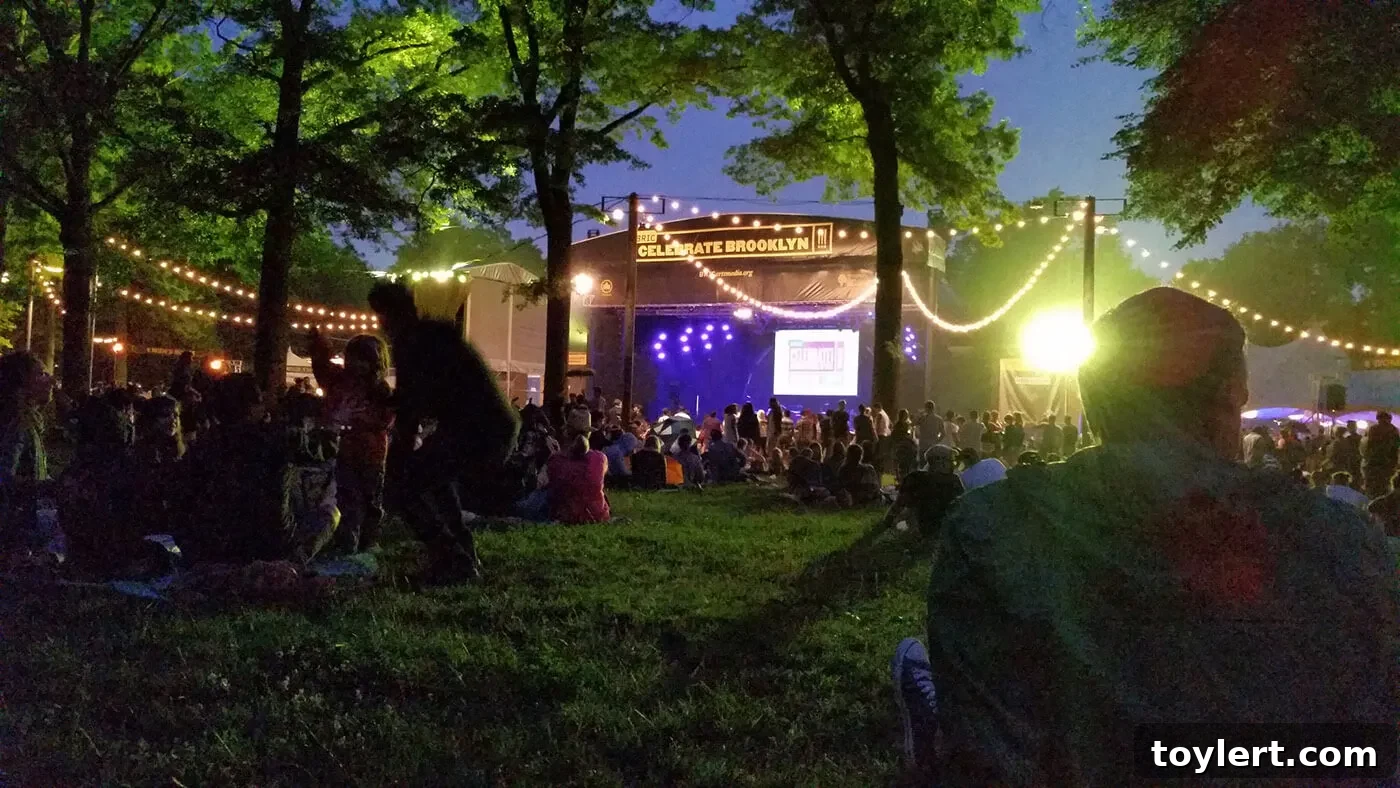
The park serves as a community gathering place, hosting myriad events, from concerts and cultural festivals to farmers’ markets and sports leagues. Its significance extends beyond recreation, acting as a critical habitat for diverse flora and fauna. The continuous efforts to maintain and improve Prospect Park underscore Brooklyn’s commitment to providing high-quality public spaces that enhance urban living and promote environmental awareness.
Brooklyn Heights: History Meets Development
Brooklyn Heights, with its stately brownstones, historic architecture, and breathtaking views of the Manhattan skyline, epitomizes classic Brooklyn elegance. This neighborhood is a living museum, deeply cherished for its architectural preservation and tranquil atmosphere. However, even in areas so rich in history, the pressures of modern development are ever-present. Discussions and occasional legal battles surrounding major redevelopments, such as the former Brooklyn Heights Library site, illustrate the ongoing tension between preserving historical integrity and accommodating contemporary needs for new infrastructure and housing. These situations often spark passionate debate within the community, balancing the desire for growth with the imperative to protect irreplaceable heritage.
The residents of Brooklyn Heights are deeply invested in maintaining the unique character of their neighborhood. Preservation societies and local activists play a crucial role in advocating for responsible development practices that respect the historical context and aesthetic values of the area. The outcomes of such debates often set precedents for how other historic districts within Brooklyn approach their own development challenges, making Brooklyn Heights a focal point for urban preservation efforts.
Sheepshead Bay: Shifting Commercial Tides
Farther south, Sheepshead Bay presents another facet of Brooklyn’s evolving commercial landscape. Once primarily a fishing village, this waterfront community has retained much of its distinct charm, but its commercial corridors are undergoing significant change. Experts have observed a shift that could lead to the demise of independent shops, replaced by larger chain stores or new residential developments. This trend reflects broader economic forces impacting local businesses across urban areas, where rising rents and changing consumer habits often favor larger commercial entities. The transformation of commercial thoroughfares in Sheepshead Bay underscores the constant evolution of urban retail environments and its profound impact on local economies and community identity.
The vitality of independent businesses is often seen as a cornerstone of neighborhood character. As Sheepshead Bay adapts to new economic realities, the community faces the challenge of supporting its unique local businesses while embracing new growth. This delicate balance is crucial for maintaining the authenticity and economic diversity that make Brooklyn’s neighborhoods so special.
Driving Economic Growth: Commercial Ventures and Strategic Zoning
Beyond residential development, Brooklyn’s economic engine is robustly fueled by its expanding commercial sector. The borough has emerged as a significant hub for innovation, technology, and creative industries, attracting major investments and reshaping its industrial zones.
Office Market Expansion in “The Burg” and Beyond
Areas like Williamsburg, affectionately known as “The Burg,” are no longer solely defined by their trendy residential appeal. They are rapidly becoming significant centers for commercial office space, attracting technology firms, design agencies, and startups. Strategic zoning votes by NYC officials have played a crucial role in facilitating this expansion, paving the way for new office projects that cater to a growing professional workforce. This commercial boom is creating thousands of new jobs and diversifying Brooklyn’s economy, moving it beyond traditional industries and into the forefront of the innovation economy. The development of modern office complexes complete with state-of-the-art facilities reflects a broader trend of companies seeking vibrant, culturally rich locations outside of traditional Manhattan business districts.
The impact of this commercial growth extends to local businesses, transportation infrastructure, and residential patterns. As more companies choose Brooklyn for their operations, the demand for local services, housing, and efficient transit solutions increases, driving further development and investment across the borough. This cycle of growth reinforces Brooklyn’s position as a dynamic economic player in the greater New York City area.
Investment and Future Development Trends
The continued influx of investment into Brooklyn is a clear indicator of its perceived value and future potential. Investors are drawn to the borough’s strong demographic trends, diverse economic base, and ongoing urban revitalization projects. From large-scale mixed-use developments to boutique commercial spaces, Brooklyn offers a spectrum of opportunities. Future trends suggest a continued focus on sustainable development, smart city technologies, and community-centric urban planning, ensuring that Brooklyn’s growth is both economically prosperous and socially responsible. The borough remains a magnet for talent and capital, promising an exciting and complex future.
Brooklyn’s appeal as an investment destination is further bolstered by its strong public transport links, proximity to Manhattan, and a burgeoning creative economy. The strategic development of infrastructure, including improved transit options and public amenities, will be key to sustaining this growth and ensuring that Brooklyn remains a competitive and desirable location for businesses and residents.
Conclusion: Brooklyn’s Enduring Appeal and Dynamic Future
Brooklyn stands as a microcosm of urban evolution, a borough constantly in motion, balancing its rich historical legacy with an ambitious vision for the future. From the intricate challenges of providing affordable housing and preserving beloved green spaces to the exciting opportunities presented by commercial expansion and strategic urban planning, Brooklyn’s story is one of continuous adaptation and resilience. Its diverse neighborhoods, each with its distinct pulse, contribute to a vibrant tapestry that defines the borough’s unique identity.
The ongoing dialogue among developers, community leaders, and residents shapes Brooklyn’s trajectory, ensuring that its growth is not only economically robust but also socially equitable and environmentally conscious. As Brooklyn continues to attract new residents, businesses, and investment, its dynamic landscape promises to remain a compelling subject, offering endless insights into the complexities and triumphs of modern urban life. The borough’s enduring appeal lies in its ability to reinvent itself while holding onto the very essence that makes it unmistakably Brooklyn – a place of innovation, community, and boundless possibility.