Unveiling the Future: A New Architectural Chapter Behind Bed-Stuy’s Historic Bedford Avenue Church
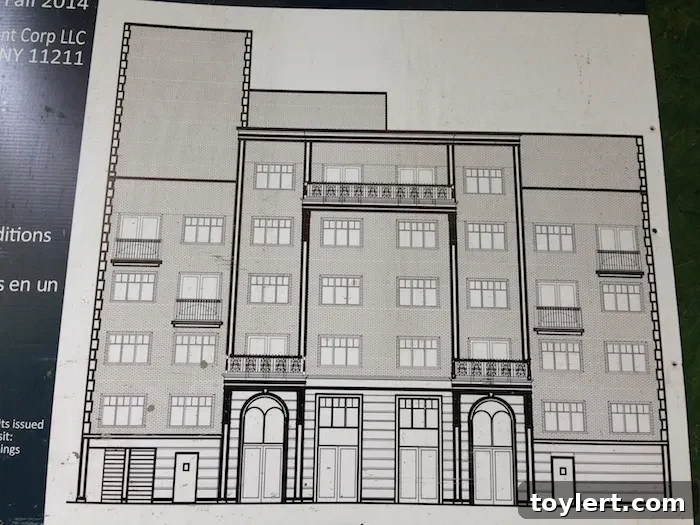
Bedford-Stuyvesant, Brooklyn, a neighborhood renowned for its rich history, distinct brownstones, and vibrant community spirit, is once again at the forefront of architectural transformation. A significant new development is taking shape at 261 Skillman Street, promising to add a fresh dynamic to an already evolving urban landscape. This ambitious project, nestled discreetly behind a prominent church at 1010 Bedford Avenue, signifies a fascinating interplay between historic preservation and modern urban growth, a common theme in New York City’s most cherished districts.
The genesis of this development becomes clearer through schematics recently unveiled on the construction fence. These plans reveal a six-story building destined to house 36 residential units, a considerable addition to the local housing stock. What makes this particular development intriguing is its foundation: it rises from the remnants of an older religious structure, parts of which, notably a gothic exterior, will likely be integrated or referenced in the new design. This approach speaks volumes about the current trends in Brooklyn real estate, where developers often seek to blend the character of the past with the demands of contemporary living.
The Skillman Street Development: A Glimpse into Modern Bed-Stuy Living
The new edifice at 261 Skillman Street represents a substantial investment in the Bed-Stuy community. Spanning a lot that remarkably stretches from Bedford Avenue all the way through to Skillman Street, the building is strategically positioned to offer both accessibility and a unique connection to the neighborhood’s bustling thoroughfares. With 36 units, the development is poised to cater to a diverse range of residents, from young professionals to families, drawn to Bed-Stuy’s unique blend of historical charm and burgeoning amenities.
While specific details about the interior finishes and amenities are still emerging, the scale and location suggest a focus on modern conveniences. Residents can anticipate well-designed living spaces, potentially featuring open-plan layouts, high-end appliances, and access to common facilities such as a fitness center, rooftop terrace, or communal lounge areas. The integration of an existing gothic exterior suggests an attempt to create a visually striking facade that acknowledges its historical roots while presenting a definitively modern structure. This architectural dialogue between old and new is crucial for developments in historic districts, aiming to enhance the streetscape rather than detract from it.
The choice to build upon the foundation of an existing religious building presents both challenges and opportunities. It requires meticulous planning and execution to ensure structural integrity while creatively reimagining the space. However, it also offers a unique narrative and aesthetic, potentially incorporating historical elements into a contemporary design, thereby enriching the character of the development. This approach to adaptive reuse is becoming increasingly popular in dense urban environments, allowing for sustainable growth that respects the existing architectural fabric.
The Enigmatic Church at 1010 Bedford Avenue: A Pending Fate?
Adjacent to this new construction, the historic church at 1010 Bedford Avenue presents a captivating counterpoint. For years, there has been widespread speculation about its future, with earlier reports suggesting a potential conversion into apartments. However, despite these discussions and an interior demolition that occurred approximately two years prior, the church has remained largely untouched from an external perspective. Its imposing presence on the Bedford Avenue side, nestled between Kosciuszko Street and Dekalb Avenue, continues to evoke curiosity among residents and passersby.
The original plan for an apartment conversion, a trend seen in numerous historic churches across Brooklyn, often involves preserving the exterior while completely transforming the interior into modern residential units. This strategy allows developers to capitalize on the unique architectural grandeur of these structures, offering residents distinctive homes with soaring ceilings, stained-glass windows, and a sense of history. The fact that this particular project has stalled after initial demolition raises questions. Was it due to unforeseen structural issues, regulatory hurdles, funding challenges, or a shift in development strategy? The answers remain elusive, adding to the intrigue surrounding this majestic edifice.
The current state of the 1010 Bedford Avenue church underscores the complexities of urban redevelopment, particularly when it involves historically significant buildings. While the new development on Skillman Street pushes forward, the church stands as a silent observer, its future yet to be fully determined. Its continued vacancy and the lack of visible progress on its conversion highlight the delicate balance between ambitious development plans and the practical realities of construction and preservation in a densely populated urban environment.
Bed-Stuy’s Evolving Landscape: A Blend of Past and Future
The simultaneous progression of the 261 Skillman Street development and the prolonged stasis of the 1010 Bedford Avenue church serve as a microcosm of Bed-Stuy’s ongoing evolution. This neighborhood, once a bastion of African-American culture and history, has experienced significant gentrification over the past two decades. With its tree-lined streets, historic brownstones, and convenient access to Manhattan, Bed-Stuy has become a highly desirable location, driving demand for new housing and amenities.
New construction projects like 261 Skillman Street are direct responses to this demand, offering modern living spaces to a growing population. These developments often bring with them an influx of new residents, businesses, and services, contributing to the neighborhood’s economic vibrancy. However, they also raise important discussions about affordability, displacement, and the preservation of neighborhood character. The challenge for urban planners and developers alike is to foster growth that is inclusive and respectful of Bed-Stuy’s rich heritage.
The juxtaposition of a sleek, modern residential building rising behind a venerable, yet dormant, gothic church tells a compelling story of urban dynamism. It illustrates the continuous cycle of renewal and reinvention that defines New York City. As Bed-Stuy continues to attract new residents and investment, these architectural projects become tangible markers of its transformation, reflecting both the aspirations for the future and the enduring legacy of its past.
Architectural Dialogue and Community Impact
The architectural choices made in projects like 261 Skillman Street are critical for their long-term impact on the community. Integrating elements of the original gothic structure into the new building on Skillman Street could provide a valuable link to the area’s historical aesthetic, preventing the new development from feeling entirely foreign to its surroundings. This mindful approach to design can help bridge the gap between historic architecture and modern requirements, creating a cohesive and visually appealing streetscape.
From a community perspective, new residential developments bring both excitement and scrutiny. While they provide much-needed housing and contribute to economic growth, concerns often arise regarding increased traffic, strain on local infrastructure, and changes in neighborhood demographics. Local residents and community boards play an essential role in voicing these concerns and advocating for developments that align with the community’s vision for its future. The schematic posted for the Skillman Street project provides an early opportunity for such dialogue.
Moreover, the ultimate fate of the 1010 Bedford Avenue church remains a point of interest. Should its conversion eventually proceed, it would add another layer to Bed-Stuy’s narrative of adaptive reuse, showcasing how historic religious buildings can find new purpose in a changing urban environment. Until then, its impressive architecture stands as a testament to the neighborhood’s enduring past, while the construction behind it heralds an undeniable future.
Looking Ahead: The Future of Bedford-Stuyvesant
As Bed-Stuy continues its journey of revitalization, the development at 261 Skillman Street and the unresolved status of the 1010 Bedford Avenue church serve as powerful symbols. They represent the ongoing negotiation between preservation and progress, tradition and modernity, that defines so many of Brooklyn’s historic neighborhoods. The successful integration of new residential buildings with existing historical structures is key to maintaining the unique charm that draws people to Bed-Stuy in the first place.
The completion of the Skillman Street development will undoubtedly bring new life and energy to this particular block, contributing to the area’s vibrancy. It will offer modern homes in a highly sought-after location, enriching the housing options available in the neighborhood. Meanwhile, the Bedford Avenue church stands as a reminder of projects awaiting their next chapter, a grand architectural piece poised for a future that is yet to unfold. Together, these two sites encapsulate the dynamic and multifaceted character of Bedford-Stuyvesant – a neighborhood proudly embracing its future while steadfastly honoring its profound past.