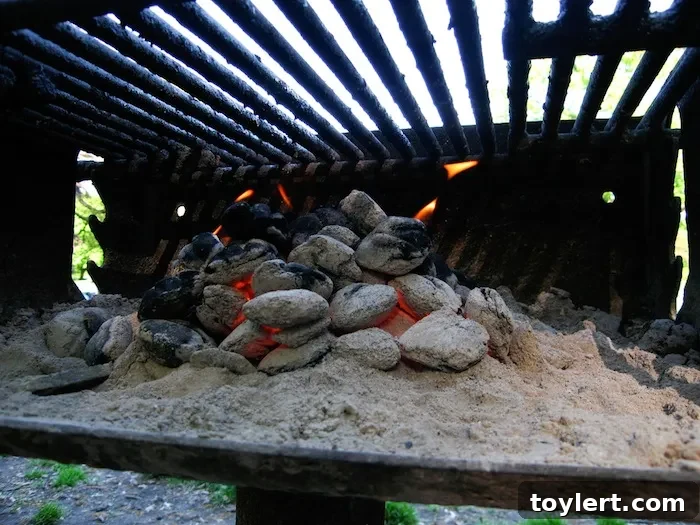
The Great Prospect Park Grilling Debate: Balancing Recreation with Public Health
Prospect Park, a beloved urban oasis in Brooklyn, New York, serves as a vital green space for relaxation, recreation, and community gatherings. From picnics to leisurely strolls, the park offers a refuge from city life for millions of visitors annually. However, a long-standing tradition of outdoor grilling within the park has sparked a significant debate among local residents, raising concerns about air quality, environmental impact, and public health. This ongoing discussion highlights the complex challenge of managing shared public spaces to meet diverse community needs while ensuring the well-being of all.
At the heart of this contentious issue is a growing movement advocating for a ban on grilling in Prospect Park. Concerned residents, citing persistent issues with smoke and airborne pollutants, argue that the current grilling practices pose substantial health risks to park-goers and those living in adjacent neighborhoods. The debate has galvanized community action, bringing to the forefront questions about responsible park usage and the potential long-term effects of unchecked outdoor cooking in dense urban environments.
Residents Rally for a “Toxic-Free” Prospect Park
The call for a grilling ban gained considerable traction through the efforts of dedicated community members. Park Sloper Daz Ryan emerged as a prominent voice in this movement, initiating a Change.org petition titled “Make Prospect Park Toxic Free by 2015.” This petition quickly garnered significant support, collecting 132 signatures in its initial phase, demonstrating a clear appetite for change among local residents. While the target year of 2015 has passed, the petition’s sentiment and the underlying concerns it raised remain highly relevant today, fueling ongoing discussions about sustainable park management and public welfare.
Daz Ryan’s personal experience underscores the urgency of the issue for many. Living near the park on 14th Street, she has endured years of hazardous smoke infiltrating her home. Her daily life has been significantly impacted, forcing her to keep all windows closed, even during pleasant weather, to prevent the noxious fumes from seeping indoors. Alarming incidents, such as the smoke triggering her carbon monoxide detector, have only intensified her resolve and amplified the call for immediate action. These experiences are not isolated; many residents report similar struggles, painting a vivid picture of the pervasive impact of grilling smoke on their quality of life.
The Pervasive Threat: Understanding Toxic Fumes from Grilling
The residents’ primary concern revolves around the “toxic fumes” emanating from barbecue grills. While outdoor grilling is often associated with pleasant aromas, the combustion of charcoal and wood, as well as the cooking of meat, releases a complex mixture of pollutants into the atmosphere. These include particulate matter (PM2.5), volatile organic compounds (VOCs), polycyclic aromatic hydrocarbons (PAHs), and carbon monoxide. These substances are known to have significant adverse effects on human health and local air quality.
Particulate matter, particularly fine particles (PM2.5), is especially problematic. These microscopic particles can penetrate deep into the lungs and even enter the bloodstream, contributing to respiratory illnesses like asthma and bronchitis, cardiovascular diseases, and other chronic health conditions. For playgrounds within Prospect Park, this poses a direct threat to children, who are particularly vulnerable due to their developing respiratory systems and higher rates of breathing. Public walkways also become hazardous zones, exposing pedestrians and joggers to elevated levels of pollutants. The proximity of residential homes means that these fumes do not dissipate harmlessly but instead infiltrate living spaces, turning homes into unwilling recipients of outdoor air pollution.
Impact on Health and Well-being: A Closer Look
The health implications of continuous exposure to barbecue smoke are a central pillar of the argument for a ban. Beyond the immediate discomfort of irritating smoke, long-term exposure can lead to more severe outcomes. Individuals with pre-existing respiratory conditions, such as asthma or COPD, can experience exacerbated symptoms, leading to increased hospitalizations and reduced quality of life. Children, the elderly, and pregnant women are also considered high-risk groups, making the proximity of grilling areas to playgrounds and residential zones particularly concerning.
Daz Ryan told the Daily News that the smoke has even set off her carbon monoxide detector. The specific mention of a carbon monoxide detector being triggered is especially alarming. Carbon monoxide is an odorless, colorless, and highly toxic gas that can cause severe illness or even death by depriving the body’s cells of oxygen. While outdoor grilling typically disperses CO more effectively than indoor cooking, the concentration can still become hazardous in stagnant air conditions or when fumes are directed into enclosed spaces like homes. This incident underscores the potential for grilling practices to pose acute, rather than just chronic, health risks to nearby residents.
The Environmental Perspective: Air Quality in Urban Green Spaces
Urban parks like Prospect Park are vital for improving city air quality by absorbing pollutants and releasing oxygen. However, widespread grilling can counteract these benefits, especially when done frequently and by many individuals. The concept of a “toxic-free” park extends beyond human health to encompass the overall ecological balance of the green space. Sustained air pollution from grilling can impact local flora, affecting plant health and the delicate ecosystem within the park.
Moreover, the environmental footprint of grilling includes not just the smoke but also the disposal of charcoal, ashes, and food waste. While park management strives to maintain cleanliness, the sheer volume of waste generated by grilling can strain resources and contribute to litter, further detracting from the park’s natural beauty and ecological integrity. Advocating for a ban, therefore, isn’t just about personal health; it’s about preserving the park as a clean, healthy environment for all species and future generations.
Weighing Traditions Against Modern Concerns: The Other Side of the Grill
Despite the compelling arguments for a ban, it’s crucial to acknowledge the deep-seated cultural significance of grilling in public parks. For many families and communities, barbecues are cherished traditions—opportunities for social bonding, celebration, and enjoyment of the outdoors. Prospect Park, like many urban parks, has long been a place where people can gather, share food, and create lasting memories. A blanket ban on grilling could be seen as an infringement on these recreational freedoms and a blow to cultural practices.
Proponents of grilling often argue that designated grilling areas, if properly managed and maintained, offer a compromise. They suggest that education on responsible grilling practices, stricter enforcement of existing rules, and investment in better ventilation or more distanced grilling zones could mitigate the issues without resorting to an outright prohibition. For many, grilling is an accessible and affordable way to enjoy the park, making it an equitable form of recreation that should be protected where possible.
Navigating Solutions: Park Management and Community Dialogue
The challenge for park authorities, such as the New York City Department of Parks & Recreation, is to strike a balance between allowing traditional recreational activities and ensuring public health and environmental protection. This often involves reviewing current regulations, assessing their effectiveness, and considering innovative solutions. Many urban parks across the country and globally have implemented various strategies, from strict no-grilling policies to highly regulated, designated grilling zones equipped with proper infrastructure for waste disposal and smoke management.
Potential solutions for Prospect Park could include:
- Redesignated Grilling Areas: Moving grilling sites further away from residential zones and playgrounds.
- Enhanced Enforcement: Stricter monitoring and penalties for violating grilling rules, such as grilling outside designated areas or improper waste disposal.
- Public Education Campaigns: Informing users about the health risks of smoke and best practices for minimizing environmental impact.
- Alternative Cooking Methods: Encouraging the use of electric grills in designated areas, which produce significantly less smoke, or promoting picnicking without cooking.
- Community Participation: Establishing forums for residents, park users, and officials to discuss concerns and collaboratively develop sustainable solutions.
The Path Forward: A Call for Sustainable Park Enjoyment
The debate over grilling in Prospect Park is more than just about barbecues; it’s about the future of urban green spaces and how communities can harmoniously coexist within them. Daz Ryan’s petition and the collective voice of concerned residents highlight a crucial need for park management to adapt to evolving environmental awareness and public health standards. As cities become denser, the role of parks as sanctuaries for both nature and people becomes even more critical, necessitating careful stewardship and thoughtful regulation.
Ultimately, achieving a “toxic-free” Prospect Park—or at least minimizing harmful exposures—requires a multi-faceted approach. It calls for continued advocacy from residents, responsive policy-making from park authorities, and a willingness from all park users to embrace more sustainable and considerate practices. The goal is to ensure that Prospect Park remains a vibrant, accessible, and most importantly, healthy environment for everyone to enjoy for generations to come, fostering a sense of community that values both recreation and ecological responsibility.