Demolition Planned for Seven-Story Office Building in Vibrant Downtown Brooklyn
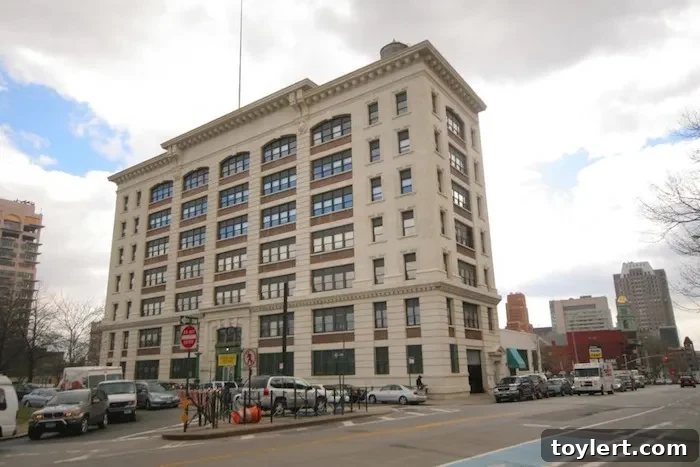
A significant development is on the horizon for one of Brooklyn’s most dynamic neighborhoods. On December 31, a demolition application was officially filed with the New York City Department of Buildings, signaling the impending removal of a seven-story office building located at the prominent corner of Jay and Nassau Streets. This move paves the way for a potential new chapter at a prime address, sitting strategically between the bustling heart of Downtown Brooklyn and the trendy, sought-after Dumbo waterfront.
The property, identified as 199 Jay Street, occupies a substantial 17,085-square-foot lot, boasting generous dimensions of approximately 175.92 feet by 100 feet. Such a sizable footprint in a rapidly developing urban core presents immense opportunities for future redevelopment. The filing of this application marks the initial, critical step in what will undoubtedly be a closely watched transformation, reflecting the ongoing evolution and escalating demand for modern spaces within these highly desirable Brooklyn enclaves.
Unveiling 199 Jay Street: A Strategic Location Poised for Transformation
The seven-story structure at 199 Jay Street, while currently an office building, stands on land that carries immense strategic value. Its location is truly exceptional, bridging two of Brooklyn’s most vibrant and economically powerful districts. Downtown Brooklyn has undergone a dramatic revitalization over the past two decades, transforming from a largely commercial and civic center into a thriving mixed-use neighborhood. It now boasts a vibrant retail scene, an expanding residential population, numerous educational institutions, and a growing tech sector. Just steps away, Dumbo (Down Under the Manhattan Bridge Overpass) is internationally recognized for its cobblestone streets, converted warehouse lofts, stunning waterfront parks, and a concentration of creative agencies, tech startups, and high-end boutiques and restaurants.
This advantageous positioning means any future development at 199 Jay Street will benefit from unparalleled access to public transportation, including multiple subway lines, and a diverse array of amenities, cultural institutions, and employment opportunities. The sheer size of the lot further amplifies its potential, allowing for significant architectural vision and a substantial contribution to the area’s ongoing urban fabric. The decision to demolish the existing structure underscores the developers’ confidence in the long-term value and growth trajectory of this specific intersection of Brooklyn, indicating that the current building may no longer align with the highest and best use for such a coveted parcel of land.
Amtrust Realty’s Strategic Move: Insights into Ownership and Intent
Public records reveal no recent sales of the 199 Jay Street property, and permits consistently list the owner as Amtrust Realty Corp. This prominent real estate investment and development firm acquired the building back in 2006. Amtrust Realty is known for its extensive portfolio primarily consisting of office properties in major urban centers, with a significant presence in New York City. Their strategic timing in filing a demolition application suggests a calculated long-term vision for the site, likely aimed at maximizing its potential in today’s dynamic real estate market.
The fact that the demolition permit has not yet been issued, noted by an “application processed — no plan exam” status, is a standard procedural step. This simply means that while the application has been officially received and logged by the Department of Buildings, the detailed plans for the demolition have not yet undergone the necessary examination by city officials to ensure compliance with all safety regulations, zoning laws, and environmental standards. This phase often involves a thorough review of structural integrity assessments, asbestos abatement plans, and detailed methodologies for safely dismantling the building. The eventual issuance of the permit will signify the green light for the physical demolition work to commence, following a rigorous vetting process designed to protect workers, the public, and the surrounding environment.
The Demolition Process in NYC: A Glimpse Behind the Scenes
Undertaking a demolition project of a seven-story building in a densely populated area like Downtown Brooklyn is a complex endeavor, governed by strict regulations set forth by the New York City Department of Buildings (DOB) and other agencies. The initial filing of a demolition application is just the tip of the iceberg. Following submission, a series of detailed plans and documents must be provided and subsequently approved. These include, but are not limited to, engineering reports, structural analysis of the existing building, environmental assessments for hazardous materials like asbestos and lead-based paint, and comprehensive safety plans for workers and the public.
The “no plan exam” status indicates that these detailed technical plans are still awaiting review by the DOB’s engineers and architects. Once the plans are deemed compliant with all applicable codes and safety protocols, the permit can be issued. The actual demolition process itself is meticulously planned, often involving interior gutting, careful removal of structural elements floor by floor, and stringent measures to control dust, noise, and debris. Given the property’s location at a busy intersection, pedestrian and vehicular traffic management during demolition will also be a critical aspect of the approved plan. Developers must also secure various other permits, such as those related to waste disposal and sidewalk closures, ensuring that the entire process is conducted safely and with minimal disruption to the surrounding community.
Downtown Brooklyn & Dumbo: A Hub of Unprecedented Transformation
The decision to redevelop 199 Jay Street is a testament to the ongoing and rapid transformation of Downtown Brooklyn and Dumbo. These neighborhoods have emerged as primary engines of growth in the borough, attracting significant investment from both residential and commercial developers. Downtown Brooklyn has seen an explosion of luxury residential towers, modern office spaces, and a burgeoning retail scene anchored by major department stores and diverse local businesses. It serves as a vital economic hub, drawing companies from tech, creative, and professional services sectors, often seeking alternatives to Manhattan’s higher rents while still desiring an urban, connected environment.
Dumbo, on the other hand, has solidified its reputation as a creative and technological epicenter. Its historic industrial buildings have been meticulously converted into stunning lofts, high-tech offices, and art galleries, preserving its unique character while embracing innovation. The Brooklyn Navy Yard, a short distance away, further contributes to the area’s economic dynamism, housing a diverse array of manufacturing, tech, and design businesses. The synergy between these two districts creates a highly attractive ecosystem for residents, businesses, and investors alike. Redevelopments like the one proposed for 199 Jay Street are not isolated incidents but rather integral components of a larger narrative of urban renewal and economic vitality that continues to define this vibrant corner of Brooklyn.
Looking Ahead: The Future of 199 Jay Street
With the demolition of the existing seven-story office building at 199 Jay Street, a blank canvas awaits a new vision that could dramatically reshape this prominent corner. Given the surrounding context of Downtown Brooklyn and Dumbo, several types of development could be envisioned for this substantial parcel. One strong possibility is a new mixed-use tower, combining ground-floor retail to activate the street level, with modern office spaces above to cater to the increasing demand for class-A commercial real estate in Brooklyn. Another highly probable scenario involves a luxury residential condominium or rental building, capitalizing on the insatiable demand for high-end housing in these desirable neighborhoods, often accompanied by premium amenities and stunning city views.
The potential economic and community impact of such a development would be considerable. A new building would generate construction jobs, increase the property tax base for the city, and could bring new businesses and residents to the area, further contributing to its economic vibrancy. From a design perspective, this site offers an opportunity for a landmark architectural statement, one that could complement the existing urban fabric while introducing a contemporary design aesthetic. As the project moves forward through the planning and approval stages, Amtrust Realty Corp.’s ultimate vision for 199 Jay Street will undoubtedly become clearer, offering valuable insight into the evolving real estate landscape of one of New York City’s most exciting boroughs.
Conclusion: A New Chapter for a Prime Brooklyn Address
The filing of a demolition application for the seven-story office building at 199 Jay Street marks a pivotal moment for a highly strategic piece of real estate in Brooklyn. Situated at the nexus of Downtown Brooklyn’s commercial energy and Dumbo’s creative charm, this large lot owned by Amtrust Realty Corp. is poised for a significant transformation. While the specifics of the future development remain to be unveiled, the very act of clearing the site underscores the tremendous value and developmental potential seen in this vibrant and continually evolving urban landscape.
This upcoming project is more than just a single building’s story; it reflects the broader trends shaping Brooklyn – a relentless demand for modern spaces, strategic investment in prime locations, and a continuous push towards innovative urban design. As the demolition permit progresses through the rigorous New York City regulatory process, all eyes will be on 199 Jay Street, anticipating the next chapter in the ongoing revitalization of Downtown Brooklyn and Dumbo, and the architectural contribution it will make to one of the city’s most dynamic skylines.