Got a project to propose for The Insider? Contact Cara at caramia447 [at] gmail [dot] com
From Reluctant DIYer to Renovation Visionary: Steven Laxton’s Historic New York Home Transformation
The allure of a historic home in New York City is undeniable – the intricate details, the storied past, and the unique character that modern constructions often lack. Yet, beneath the charming facade often lies a labyrinth of hidden challenges, a reality that award-winning photographer and design enthusiast Steven Laxton discovered firsthand. What began as a hopeful purchase of an early 20th-century dream house in 2016 quickly evolved into an intensive, deeply personal DIY renovation journey, transforming him from a hesitant amateur into a seasoned home restoration expert.
Laxton, known for his keen artistic eye and meticulous attention to detail in his photography, admits he was initially “naive” about the complexities of owning an older property. “This was the first place I’d owned in New York,” he recounts. “I had little knowledge of how to fix things up; I figured it was move-in ready.” This common misconception, held by many first-time homeowners of historic properties, often sets the stage for an unexpected and extensive learning curve. His three-story house, rich in architectural heritage, presented itself as a blank canvas, but one that demanded far more than just a fresh coat of paint and minor cosmetic touches.
Unveiling the Hidden Truths: A Renovation Imperative
The initial honeymoon period of homeownership quickly dissolved as the true condition of the house came to light. The first major revelation was the roof, a critical component whose integrity directly impacts the entire structure. A failing roof isn’t merely an aesthetic concern; it’s a structural necessity that, if neglected, can lead to devastating water damage, mold, and further deterioration of interior elements. Laxton understood that this was not a project to postpone, requiring immediate and significant investment of time and resources to secure the home’s long-term stability.
Beyond the roof, the previous renovations, which Laxton had initially deemed sufficient, proved to be superficial at best. “There was a new kitchen, and the bathrooms were done, but I didn’t realize how badly,” he reflects. This is a frequent pitfall in older homes where quick fixes or cosmetic upgrades mask deeper functional and structural issues. What appeared to be updated spaces were, in reality, poorly executed jobs that soon demanded a complete overhaul, adding thousands of hours and substantial financial commitment to his burgeoning project list. From plumbing mishaps to questionable electrical work, Laxton found himself confronting a series of domino-effect problems that required expert attention and a hands-on approach.
The DIY Ethos: Embracing the Challenge and Crafting a Vision
Faced with an escalating list of repairs and restorations, Laxton made a pivotal decision: to undertake much of the work himself. This wasn’t merely a matter of budget, though cost savings certainly played a role. It was about control, precision, and the profound satisfaction of personally breathing new life into a historic structure. His artistic sensibility, honed over years in photography, translated seamlessly into a meticulous approach to renovation. Each project became an opportunity for creative problem-solving and a deeper connection to his home, allowing him to infuse every detail with his personal design philosophy.
Restoring Foundations and Character: Floorboards and Salvaged Doors
Among the myriad of projects, replacing floorboards became a significant undertaking. The original floors, often a hallmark of early 20th-century homes, frequently suffer from years of wear, uneven settling, or previous damaging alterations. Laxton meticulously replaced sections, ensuring that the new seamlessly blended with the old, preserving the authentic feel and structural integrity of the house. This kind of detail-oriented work requires not just skill, but also a deep respect for the home’s historical context, often involving careful selection of matching wood species and traditional finishing techniques.
His commitment to authenticity and sustainable renovation practices extended to replacing all the doors with salvaged old ones. This decision speaks volumes about his design philosophy. Hunting for salvaged doors is an art in itself – it involves scouring architectural salvage yards, online marketplaces, and sometimes even word-of-mouth leads to find pieces that resonate with the home’s era and aesthetic. Each salvaged door, with its unique patina, hardware, and history, adds an irreplaceable layer of character, telling a story that mass-produced alternatives simply cannot. The painstaking process of stripping old paint, repairing imperfections, and precisely fitting these historic doors is laborious but yields unparalleled results, infusing the home with a sense of timeless elegance and a narrative of resilience.
Transforming Outdoor Spaces: The Back Garden Oasis
The renovation wasn’t confined to the interiors; Laxton also turned his attention to the often-neglected outdoor spaces. Paving the back garden transformed it from an underutilized patch into a functional and aesthetically pleasing urban oasis. This project involved careful planning, material selection (perhaps permeable pavers for better drainage, or reclaimed brick for character that complements the home’s facade), and the physical labor of laying the groundwork. A thoughtfully designed garden space provides an essential extension of the living area, offering a private sanctuary in the bustling city and significantly enhancing the home’s overall appeal and value, creating a harmonious blend of indoor and outdoor living.
Lockdown Projects: A Time for Deep Restoration and Reflection
The year 2020, marked by unprecedented global lockdowns, provided Laxton with an unexpected gift: uninterrupted time and a focused environment for deep work. “There was nothing else to do in 2020,” he recalled, a sentiment shared by many who found solace and purpose in home improvement during the pandemic. For Laxton, this period was dedicated to the painstaking, meditative process of stripping paint from various historic elements throughout the house. This included the majestic pier mirror, the grand staircase with its intricate balusters, and other ornate woodwork that had been obscured by layers of accumulated paint over decades.
Paint stripping is far more than a chore; it’s an archaeological endeavor. Each layer removed reveals a glimpse into the past – original colors, craftsmanship, and the true beauty of the wood beneath. This labor-intensive task, performed while listening to music and podcasts, became a ritualistic act of uncovering and honoring the home’s original design. Restoring these features, such as the ornate details of a pier mirror or the elegant lines of a banister, brings back the architectural grandeur that might have been lost, truly connecting the present home to its early 20th-century roots and providing a profound sense of accomplishment and preservation.
The Photographer’s Eye: Design, Aesthetics, and Light
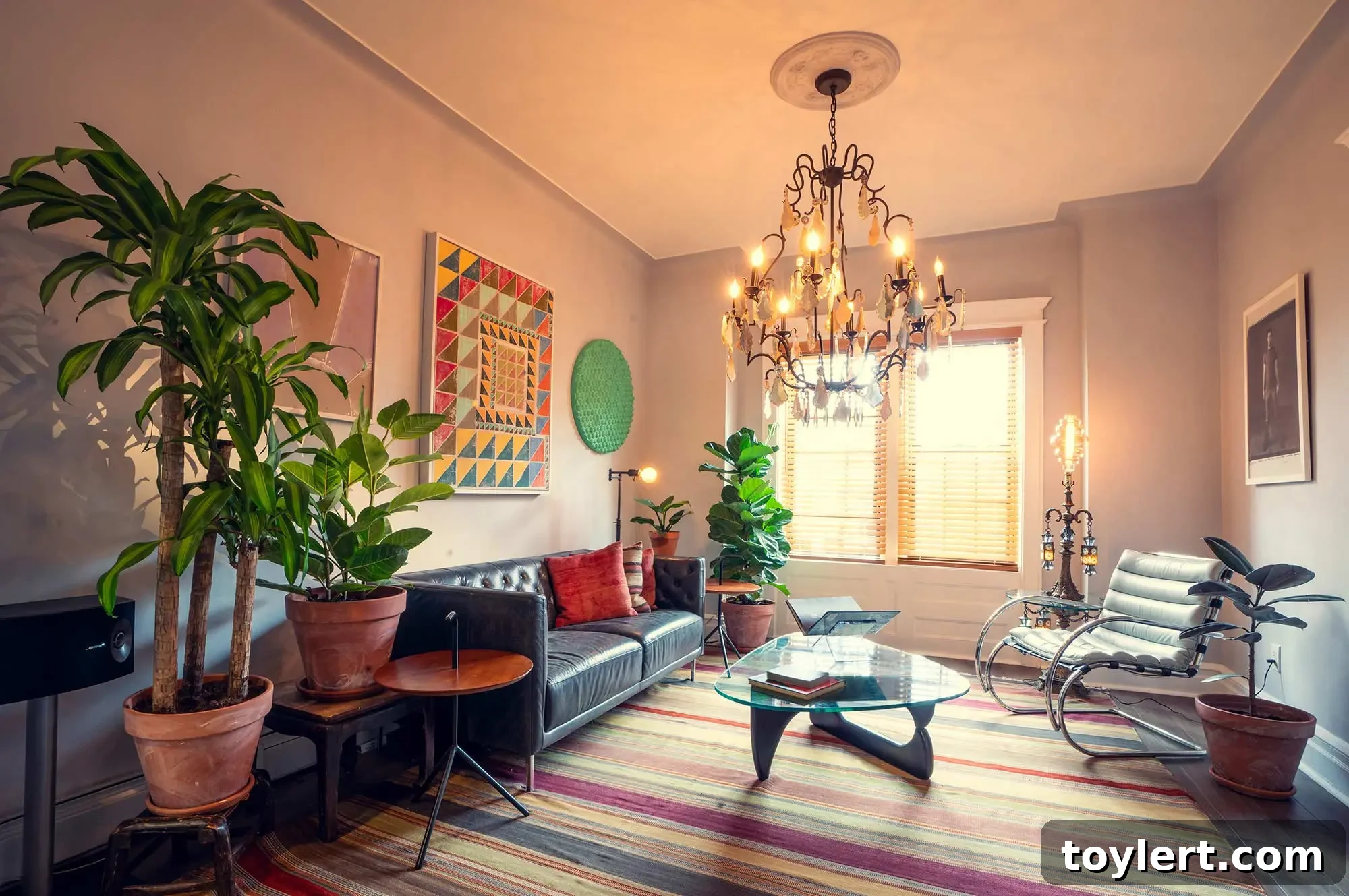
As a seasoned photographer, Steven Laxton’s innate understanding of composition, light, and texture played a crucial role in his renovation choices. His home is not just a collection of restored elements but a curated space that reflects his unique aesthetic vision. The deliberate selection of salvaged materials, the thoughtful consideration of color palettes – likely drawing inspiration from the home’s historical period while infusing modern sensibility – and the strategic placement of lighting all contribute to a cohesive and inviting atmosphere. He likely approached each room as a photographic subject, considering how natural and artificial light falls, how colors interact to create mood, and how different textures add depth and interest. This professional insight allowed him to create spaces that are both visually stunning and highly functional, a true testament to the power of design-led renovation.
The journey from a “naive” buyer to a proficient DIY renovator encapsulates a transformative experience. Laxton’s story is a testament to the fact that homeownership, especially of older properties, often involves an unexpected apprenticeship. What began as a series of unwelcome surprises evolved into a passion project, a true labor of love that has resulted in a home deeply imbued with his personal touch and respect for its history. His extensive efforts, spending “thousands and thousands of hours” on the renovation, were not just about fixing a house; they were about crafting a sanctuary, a masterpiece of personal dedication and design, enhancing both its beauty and its value for generations to come.
Tips for Aspiring DIY Renovators from Steven Laxton’s Journey
Steven Laxton’s odyssey offers invaluable lessons for anyone considering a DIY renovation, particularly of a historic property. First, embrace the learning curve. Expect the unexpected and be prepared to acquire new skills, whether it’s understanding basic carpentry, plumbing, or paint stripping techniques. Second, understand the value of salvaged and reclaimed materials; they not only add unparalleled character and authenticity but also contribute significantly to sustainable building practices. Third, respect the home’s history. Seek to restore rather than replace, preserving original features whenever possible to maintain its unique charm and heritage. Fourth, allocate significant time and be patient; quality restoration is a meticulous process that cannot be rushed, and shortcuts often lead to regrets. Finally, find joy in the process. The satisfaction of transforming a space with your own hands, seeing your vision come to life, and creating a truly personal sanctuary is a reward that transcends the initial challenges and frustrations, making every hour spent worthwhile.
His home stands today as a vibrant testament to personal resilience, artistic vision, and the profound satisfaction of hands-on creation. It’s a living canvas, reflecting not just the architectural period it hails from, but also the enduring spirit of a man who dared to delve deep into its bones and emerge with a beautifully revitalized space, truly his own.