East New York Rezoning: Unpacking Brooklyn’s Pivotal Development Debate
The urban landscape of New York City is constantly evolving, a testament to its dynamic spirit and continuous growth. Few topics ignite as much passion and debate in community planning circles as rezoning initiatives, particularly those in historic and rapidly developing neighborhoods. Such was the scene on a memorable Wednesday at Brooklyn Borough Hall, which became the epicenter of an intense public hearing hosted by the City Planning Commission. The subject at hand: the mayor’s ambitious and, for many, deeply controversial plan to rezone East New York.
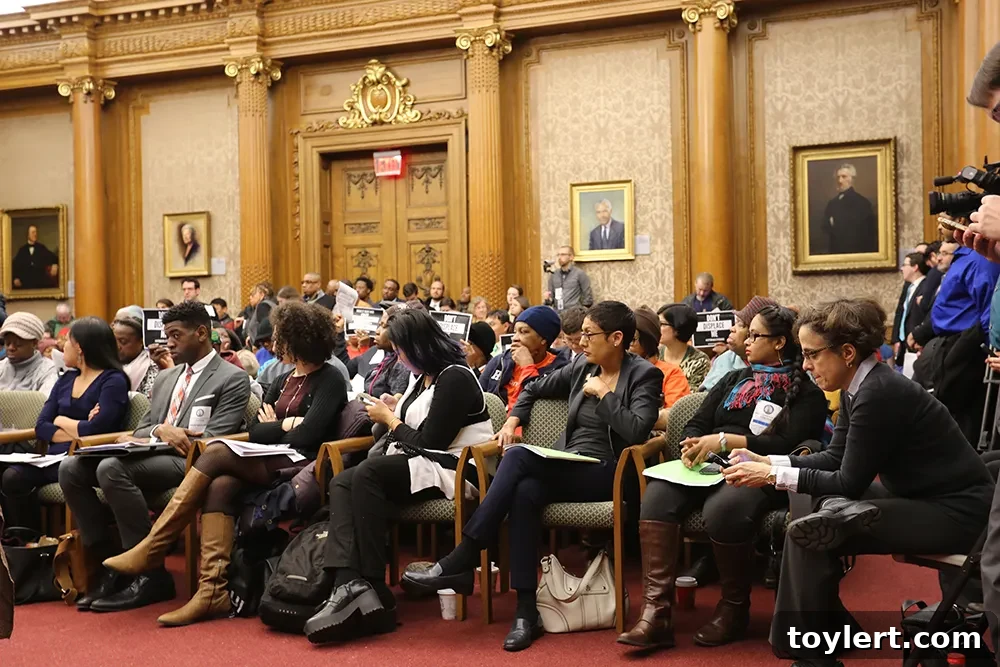
The sheer scale of public interest was undeniable. Brooklyn Borough Hall, an iconic symbol of civic engagement in the borough, was filled to capacity, a clear indication of the profound impact this plan holds for thousands of residents. The crowd spilled over into additional overflow rooms, where attendees watched the proceedings unfold on monitors, testament to the community’s desire to hear and be heard. The demand was so overwhelming that security guards, tasked with maintaining order and safety, eventually had to stop admitting people into the building. This extraordinary turnout underscored the gravity of the decision facing the city and the fervent hope and apprehension felt by East New York residents and advocates alike.
The Genesis of the East New York Rezoning Plan
The proposed rezoning of East New York is not an isolated initiative but part of a broader city-wide strategy aimed at addressing New York City’s persistent affordable housing crisis and fostering economic growth. For decades, East New York has been a vibrant, predominantly working-class community, rich in history and cultural diversity. However, like many neighborhoods in the outer boroughs, it has faced challenges related to underinvestment and a lack of modern infrastructure development. The city’s administration views rezoning as a crucial tool to unlock the neighborhood’s potential, facilitate the creation of thousands of new housing units, a significant portion of which would be designated as affordable, and stimulate local job creation through new commercial spaces.
Proponents of the plan argue that strategic rezoning is essential to accommodate a growing population and provide desperately needed housing options for low- and middle-income families. They envision a future for East New York with updated facilities, improved public spaces, and enhanced transit access, all while preserving the core character of the community. The Mandatory Inclusionary Housing (MIH) program, a cornerstone of the mayor’s housing strategy, plays a central role in this rezoning, ensuring that new developments include a permanent percentage of affordable units, thus aiming to combat displacement and maintain socio-economic diversity.
Voices from the Community: Concerns and Hopes
While the city highlights the benefits of increased housing and economic investment, many long-term residents and local community groups harbor significant concerns. The overriding fear, voiced repeatedly at the public hearing, is that of rapid gentrification and displacement. Residents expressed worries that the influx of new, market-rate developments would drive up property taxes and rents, making it increasingly difficult for current homeowners and renters to remain in their beloved neighborhood. Small businesses, the lifeblood of East New York’s local economy, also fear being priced out, leading to a loss of the unique cultural fabric that defines the area.
Activists and local leaders emphasized the importance of equitable development, advocating for a plan that genuinely serves the existing community. Their calls included stronger protections for tenants, more deeply affordable housing options that cater to the neighborhood’s current income levels, and commitments to local hiring for new construction projects. They questioned whether the promised benefits would truly reach the people who have called East New York home for generations, or if the primary beneficiaries would be real estate developers and new, wealthier residents. The packed Borough Hall was not just a symbol of interest, but a powerful platform for these community voices to demand transparency, accountability, and a seat at the table in shaping their future.
Understanding the Mayor’s Vision for Urban Renewal
The mayor’s administration has consistently championed its rezoning initiatives as a forward-thinking approach to urban planning, essential for New York City’s long-term sustainability and equity. The vision for East New York, as articulated by city planners, involves transforming underutilized parcels of land and low-density areas into vibrant, mixed-use corridors. This transformation is intended to create not just residential units but also opportunities for new retail, services, and community facilities, contributing to a more self-sufficient and thriving neighborhood.
The core argument presented by city officials is that without strategic rezoning, the city’s housing shortage will only worsen, pushing housing costs even higher and exacerbating income inequality. They argue that the plan for East New York is carefully crafted to balance growth with preservation, incorporating feedback from extensive community engagement processes. While acknowledging the challenges, the administration frames the rezoning as a necessary step to modernize outdated zoning codes, spur responsible development, and ensure that East New York benefits from the same opportunities and investments seen in other parts of Brooklyn.
Potential Impacts: Navigating the Complexities of Growth
The potential impacts of the East New York rezoning are multifaceted and complex, extending beyond just housing numbers. Economically, the infusion of new development could bring construction jobs, stimulate local commerce, and increase the tax base for the city. Environmentally, careful planning could lead to more green spaces, improved storm resiliency, and better public transit infrastructure, reducing reliance on private vehicles. Socially, the integration of diverse income levels through affordable housing mandates could foster a more inclusive community.
However, the risks are equally significant. Critics point to the potential for increased traffic congestion, strain on existing schools and healthcare facilities, and the erosion of cultural identity. The delicate balance between fostering growth and preserving the existing community character remains a central tension. The dialogue at the public hearing highlighted these trade-offs, emphasizing that successful urban planning requires not just vision, but also meticulous consideration of local context and robust mechanisms to mitigate negative consequences, especially for vulnerable populations.
The Road Ahead: What’s Next for East New York?
The public hearing at Brooklyn Borough Hall was a critical juncture in a long and often contentious process. Following the public input, the City Planning Commission will deliberate on the mayor’s rezoning proposal for East New York. Their recommendations will then be forwarded to the City Council, which holds the ultimate authority to approve, modify, or reject the plan. The City Council’s decision will be heavily influenced by the perspectives of local council members, who represent the direct interests of the East New York community.
Regardless of the final outcome, the intense public engagement demonstrated at the hearing is a powerful reminder of democratic participation in urban development. It underscores that while city planners and politicians shape policies, the future of a neighborhood ultimately rests on the collective voices and aspirations of its residents. The debate surrounding the East New York rezoning plan is a microcosm of the larger struggle faced by rapidly growing cities worldwide: how to accommodate growth and ensure prosperity without sacrificing the identity and well-being of existing communities. As East New York stands at this crossroads, the world watches to see how Brooklyn navigates this complex path towards its future.