Gowanus Rezoning: Community Demands In-Person Engagement Amidst Virtual Meeting Concerns
A critical debate is unfolding in Brooklyn’s Gowanus neighborhood, as a coalition of local groups intensify their calls for the city to permit small, socially distanced outdoor public meetings. Their primary objective: to gather genuine community input on the extensive proposed Gowanus rezoning. This demand stems from deep-seated concerns that current remote town halls are inherently inaccessible for many residents and fundamentally inadequate for fostering meaningful public feedback on such a transformative urban development project.
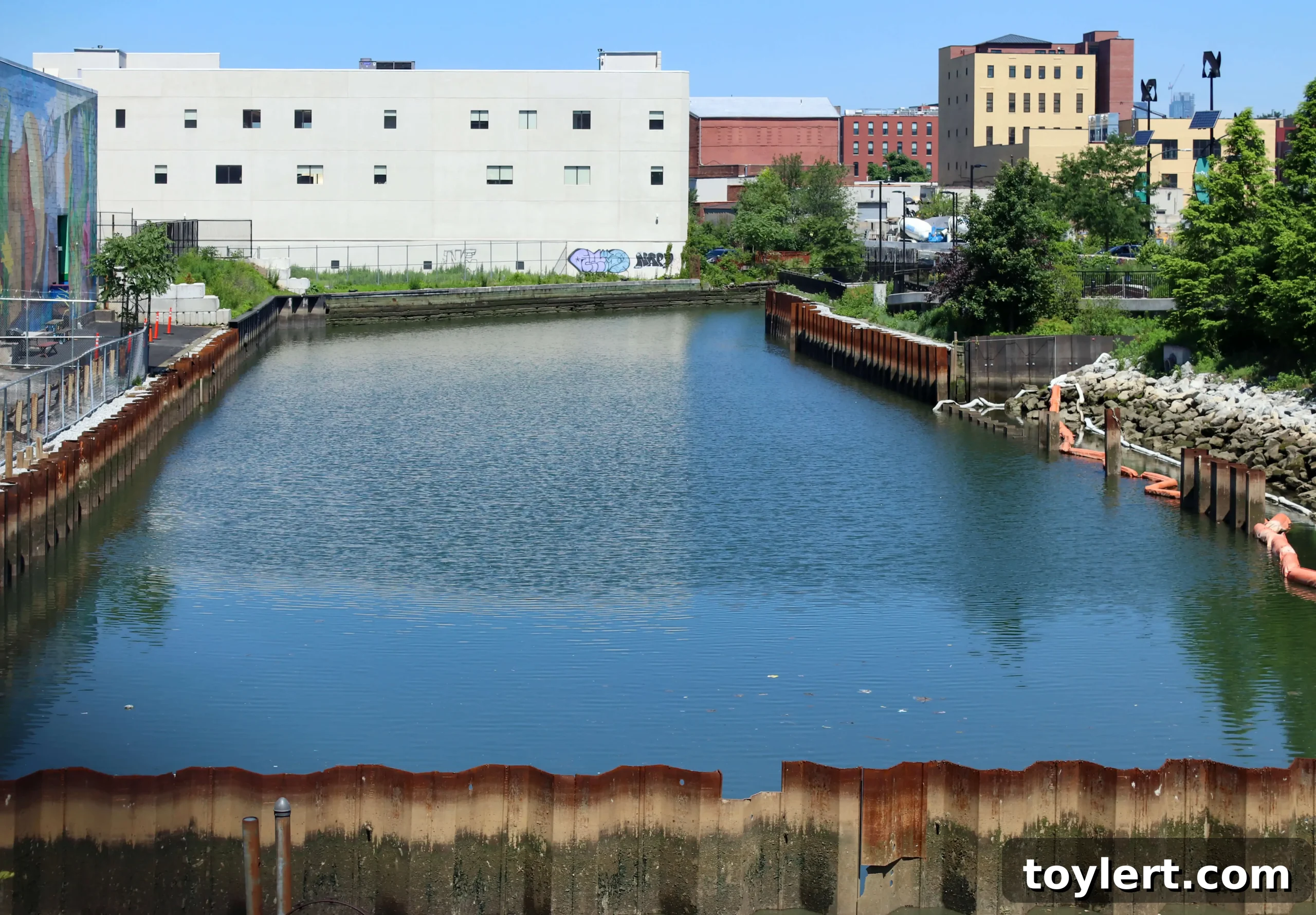
The proposed Gowanus rezoning represents one of New York City’s most ambitious land use overhauls in recent memory. It envisions significant changes to the character of this historic industrial area, potentially introducing thousands of new housing units, including a substantial component of affordable housing, alongside new commercial spaces, improved infrastructure, and critical environmental remediation efforts for the infamous Gowanus Canal. While proponents highlight the potential for economic growth and much-needed housing, community advocates express serious reservations about the project’s scale, its impact on existing residents and businesses, and the preservation of Gowanus’s unique identity.
The Imperative for Authentic Public Feedback
At the heart of the controversy is the method by which the city plans to solicit community input. Andrea Parker, Executive Director of the Gowanus Canal Conservancy, articulated the collective apprehension shared by many community members. “Several of us have attended virtual hearings and have real concerns that it’s not going to be accessible for everybody in the neighborhood,” Parker stated, echoing a sentiment widely held among local activists. The coalition argues that while virtual platforms offer a convenient alternative in certain scenarios, they fall short when it comes to capturing the diverse perspectives and nuanced concerns of a complex urban community like Gowanus.
Meaningful public feedback is not merely a bureaucratic checkbox; it is a cornerstone of democratic planning and equitable urban development. When communities are genuinely engaged, projects are more likely to reflect local needs, mitigate potential negative impacts, and gain broader acceptance. The Gowanus rezoning, given its monumental scope and long-term implications for thousands of residents, demands an engagement process that is as robust, inclusive, and accessible as possible. Without it, there’s a significant risk that the voices of the most vulnerable and marginalized residents may be inadvertently silenced, leading to outcomes that do not truly serve the community’s best interests.
Addressing the Digital Divide and Accessibility Barriers
The reliance on virtual meetings, while a necessary adaptation during the COVID-19 pandemic, has exacerbated existing inequalities and introduced new barriers to participation. The “digital divide” remains a stark reality, particularly in urban areas with diverse socioeconomic landscapes. Not every household in Gowanus has reliable high-speed internet access, nor does every resident possess the necessary digital literacy or access to appropriate devices (computers, smartphones, webcams) to effectively participate in online forums.
Beyond technological hurdles, virtual platforms often lack the organic, spontaneous interaction that defines productive in-person dialogues. The ability to read body language, engage in sidebar conversations, and directly address officials face-to-face can significantly impact the quality and depth of feedback. For non-English speakers, residents with disabilities, or those who simply feel more comfortable expressing themselves in a physical setting, virtual town halls can be intimidating and exclusionary. The formal, often highly structured nature of online meetings can also make it difficult for residents to interject, ask follow-up questions, or convey the full emotional weight of their concerns, leading to a sense of being unheard or dismissed.
The Gowanus Neighborhood Coalition for Justice Takes Action
Leading the charge for more inclusive engagement is the Gowanus Neighborhood Coalition for Justice. This formidable alliance comprises various neighborhood groups, including the vital Gowanus Canal Conservancy, all united by a shared commitment to ensuring that the rezoning process is transparent, equitable, and truly beneficial for the community. Recognizing the urgency of their concerns, the coalition formally addressed Department of City Planning director Marisa Lago in a letter dated September 3.
In their correspondence, the coalition unequivocally urged city officials to establish designated, safe, outdoor locations within the Gowanus neighborhood. These proposed sites would serve as accessible hubs where local residents could physically gather, express their opinions, and provide direct feedback on the expansive land use overhaul. This proactive step underscores the coalition’s dedication to finding practical solutions that balance public health imperatives with the fundamental right to democratic participation in shaping one’s neighborhood. Their detailed proposal aims to ensure that every voice, irrespective of digital access or technical proficiency, has the opportunity to contribute to the future of Gowanus.
Navigating Public Engagement in a Pandemic World
The challenges of conducting public engagement during a global health crisis are undeniable. The city’s pivot to virtual meetings was largely a response to public health guidelines aimed at limiting the spread of infectious diseases. However, as communities adapt and learn to live with new realities, innovative approaches become not just desirable but essential. The Gowanus Neighborhood Coalition for Justice’s proposal for socially distanced outdoor meetings offers a potential blueprint for how democratic processes can continue responsibly, even under challenging circumstances.
Implementing such a model would require careful planning and strict adherence to health protocols, including limits on group sizes, mandatory mask-wearing, readily available hand sanitization stations, and clear physical distancing markers. While resource-intensive, the investment in facilitating these hybrid or outdoor models of engagement could yield significant dividends in community trust and legitimacy for the rezoning plan. It demonstrates a commitment from the city to meet its residents where they are, both geographically and in terms of their comfort levels with different engagement formats. Furthermore, combining outdoor sessions with accessible virtual options could create a comprehensive approach, ensuring maximum reach and inclusivity.
The Future of Gowanus: Beyond Bricks and Mortar
The Gowanus rezoning is not merely about construction; it is about the future identity and functionality of a vibrant Brooklyn neighborhood. It involves complex considerations ranging from environmental justice—given the presence of the Superfund site Gowanus Canal—to the provision of genuine affordable housing, the preservation of local businesses, and the upgrading of aging infrastructure to support a denser population. The decisions made during this rezoning process will have profound impacts on air quality, traffic patterns, school capacity, public transit, and the availability of green spaces.
Ensuring that these multifaceted issues are thoroughly debated and understood by the community is paramount. Residents possess invaluable lived experience and local knowledge that professional planners, however well-intentioned, may overlook. Their insights into specific block-by-block impacts, the historical context of the area, and the needs of various demographic groups are irreplaceable. Therefore, any process that hinders the effective contribution of this local wisdom not only undermines democratic principles but also risks creating a less resilient, less equitable, and ultimately less successful outcome for Gowarus.
In conclusion, the demands from the Gowanus Neighborhood Coalition for Justice highlight a critical need to adapt public engagement strategies to ensure genuine inclusivity and accessibility during these unprecedented times. As the Gowanus rezoning moves forward, the city has a crucial opportunity to demonstrate its commitment to transparent, participatory governance by finding innovative ways to facilitate in-person, socially distanced public feedback. The future of Gowanus depends not just on the plans laid out on paper, but on the authentic voices of the people who call it home being heard, respected, and incorporated into its transformation.