Brownstoner on Instagram
Photo by Cate Corcoran
The Enduring Enigma of the Gowanus Canal: A Brooklyn Icon’s Winter Resilience and Remarkable Revival
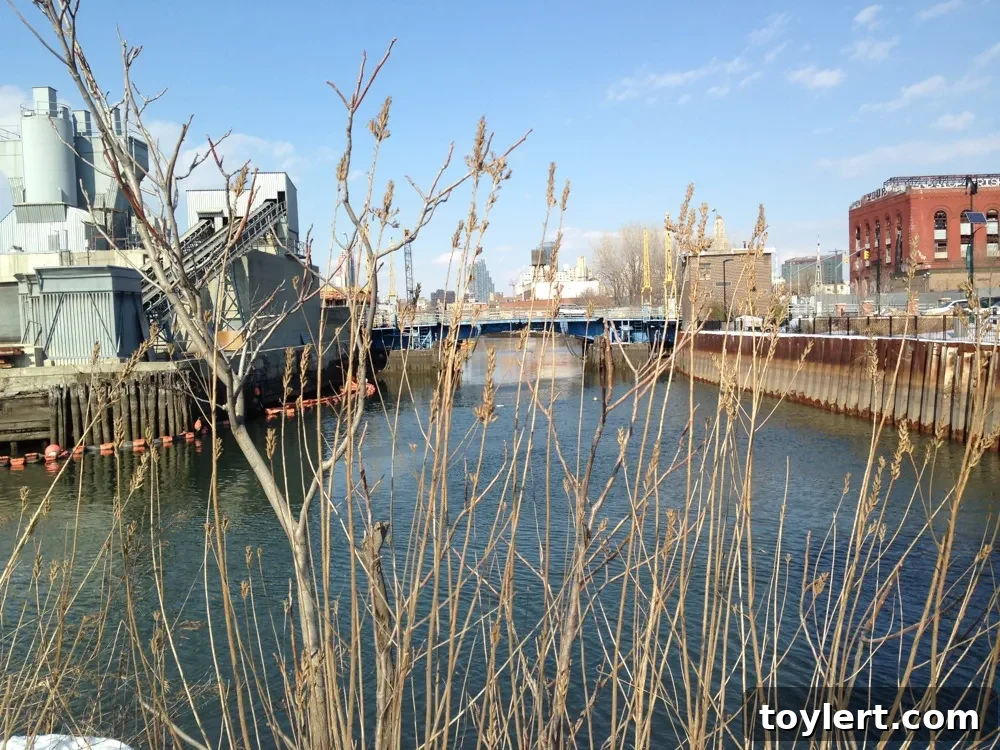
Nestled in the heart of Brooklyn, the Gowanus Canal stands as a testament to New York City’s complex history – a waterway that has seen eras of bustling industry, severe environmental degradation, and a remarkable, ongoing journey towards revitalization. Often shrouded in a mist of controversy and curiosity, the Gowanus is far more than just a waterway; it is a living historical archive, a Superfund site, and a vibrant community’s backbone, all rolled into one. The image above captures the canal in its quiet winter repose, a season that strips away some of the usual activity, revealing its stark, industrial beauty and the enduring spirit of resilience that defines it. This article delves into the multi-faceted narrative of the Gowanus Canal, exploring its rich past, its challenging present, and the hopeful vision for its future, particularly through the lens of its unique character during the colder months.
A Storied Past: From Natural Estuary to Industrial Artery
The history of the Gowanus Canal is deeply intertwined with the industrial expansion of Brooklyn and New York City. What began as a vital tidal creek and marshland, a natural estuary used by the Lenape people for sustenance, underwent a profound transformation in the 19th century. During this era, the Gowanus Creek was dredged, straightened, and bulkheaded to create a navigable canal, effectively converting it into a bustling industrial artery designed to facilitate the transport of goods to and from the rapidly growing neighborhoods of Brooklyn. This engineered waterway soon became a vital hub for manufacturing, shipping, and various industries, including gasworks, chemical plants, tanneries, and factories producing everything from cement to soap.
For decades, the Gowanus Canal served as a linchpin of Brooklyn’s economy, its waters teeming with barges and its banks lined with warehouses and factories. This intense industrial activity, however, came at a steep environmental cost. With little to no environmental regulation at the time, industrial waste, raw sewage, and urban runoff were routinely discharged directly into the canal. The once-pristine waters became increasingly polluted, transforming the Gowanus from a healthy ecosystem into a heavily contaminated body of water, earning it notoriety as one of the most polluted waterways in the United States. This period laid the groundwork for the environmental challenges that would define the canal for the next century, transforming a natural asset into a symbol of unchecked industrialization.
The Environmental Burden: A Superfund Site’s Legacy
By the late 20th century, the legacy of industrial pollution on the Gowanus Canal became undeniable and alarming. The accumulation of decades of toxic waste had created a hazardous environment, not only for marine life but also for the surrounding communities. The canal bed was found to contain a thick layer of contaminated sediment, often referred to as “black mayonnaise,” a toxic sludge composed of coal tar, heavy metals, PCBs, and other hazardous chemicals. This sediment, coupled with ongoing sewer overflows, made the canal a significant public health and environmental concern. The air itself sometimes carried a distinct, unpleasant odor, particularly during warmer months, emanating from the decaying organic matter and chemical compounds within the water.
Recognizing the severity of the contamination, the U.S. Environmental Protection Agency (EPA) officially designated the Gowanus Canal a federal Superfund site in 2010. This designation marked a critical turning point, initiating a comprehensive, multi-billion-dollar cleanup plan aimed at remediating the widespread pollution. The decision brought both hope and trepidation to the community; hope for a healthier environment, but trepidation regarding the long and complex process, its potential disruptions, and the eventual impact on the character of the neighborhood. The Superfund designation underscored the canal’s status as one of America’s most challenging environmental cleanups, highlighting the deep scars left by its industrial past and the monumental effort required to heal them.
The Herculean Task: Cleaning Up the Canal
The cleanup of the Gowanus Canal is an undertaking of epic proportions, a complex engineering and environmental challenge that has been years in the making and will continue for several more. The EPA’s remediation plan focuses primarily on dredging the vast quantities of contaminated sediment from the canal bed. This involves carefully removing the “black mayonnaise” and other toxic materials, transporting them to licensed facilities for treatment and disposal. To prevent future contamination, a multi-layered cap will be installed over the dredged areas, essentially sealing off any remaining contaminants from the water column.
Beyond dredging and capping, the cleanup also addresses the persistent problem of combined sewer overflows (CSOs). Historically, during heavy rainfall, the city’s aging sewer system would discharge a mix of stormwater and raw sewage directly into the canal, re-contaminating the waters. To mitigate this, two large retention tanks are being constructed to capture and hold these overflows until they can be treated at a wastewater plant. These tanks represent a significant investment in modernizing the urban infrastructure and are crucial for the long-term health of the canal. The entire cleanup process is a delicate balance of advanced environmental science, engineering, and community engagement, moving steadily towards a vision of a revitalized, healthier waterway. It’s a testament to human ingenuity and perseverance in rectifying past environmental oversights.
Gowanus in Transition: Community, Culture, and Gentrification
While the environmental cleanup progresses, the neighborhoods surrounding the Gowanus Canal are experiencing their own profound transformation. For decades, the area retained a gritty, industrial charm, attracting artists, artisans, and small businesses seeking affordable spaces and an authentic Brooklyn vibe. This creative energy fostered a unique cultural landscape, with galleries, studios, and independent shops flourishing amidst the remnants of old factories.
However, the allure of Brooklyn’s waterfront, coupled with the promise of a cleaner canal and new zoning initiatives, has triggered significant development and gentrification. Developers are eyeing the Gowanus for large-scale residential projects, transforming former industrial sites into luxury apartments and mixed-use buildings. This influx of new residents and capital has brought both opportunities and challenges. On one hand, it has spurred economic growth, improved local amenities, and increased property values. On the other hand, it raises concerns about affordability, displacement of long-time residents and businesses, and the preservation of the neighborhood’s unique character. Community groups are actively engaged in advocating for equitable development, ensuring that the benefits of revitalization are shared by all, and that the Gowanus retains its distinct identity while evolving into a more sustainable and accessible urban environment. The canal itself remains a focal point in these discussions, a constant reminder of the intricate relationship between urban planning, ecological restoration, and social equity.
Winter on the Gowanus: A Unique Perspective
The image that sparked this exploration, capturing the Gowanus Canal in winter, offers a particularly poignant view of this extraordinary waterway. While spring and summer bring a vibrant, if sometimes odorous, energy with boats navigating its waters and people strolling its banks, winter imbues the canal with a distinct, quiet dignity. The crisp air often brings a stillness, muting the usual urban clamor and allowing for a more reflective appreciation of the canal’s raw beauty.
In winter, the industrial structures lining the canal take on a starker silhouette against the often-gray skies. The absence of lush foliage reveals more of the brickwork, steel, and concrete that tell the story of its past. Ice may skim the surface in colder stretches, creating intricate patterns that reflect the subdued winter light. This season also offers a unique perspective on the ongoing cleanup efforts; the heavy machinery and construction sites might be more visible without the visual clutter of warmer months, underscoring the relentless work being done. The bare trees and muted colors highlight the waterway itself as the central feature, a resilient ribbon of water winding through an urban landscape. Winter on the Gowanus is not just a season; it’s a mood, a moment of introspection that underscores the canal’s enduring presence and its journey of transformation, a journey that continues regardless of the weather.
Looking Ahead: A Future Reimagined
The future of the Gowanus Canal is a canvas of ambitious plans and hopeful visions. As the Superfund cleanup steadily progresses and the surrounding neighborhoods continue to evolve, there is a collective desire to reimagine the canal not just as a remediated industrial artifact, but as a vibrant, accessible, and ecologically healthier urban amenity. Plans include the creation of new public open spaces along its banks, complete with esplanades, parks, and recreational areas that will allow residents and visitors to engage with the waterway in ways that were previously impossible.
Ecological restoration goes hand-in-hand with remediation. Efforts are underway to reintroduce native plant species along the shoreline, establish beneficial habitats for wildlife, and improve the water quality to a level that can support a more diverse aquatic ecosystem. The dream for many is to see a Gowanus Canal where kayaking, fishing, and even swimming could one day be viable, albeit in the distant future. This vision is not without its challenges, particularly concerning the long-term maintenance of water quality and the integration of new developments with ecological goals. However, the collaborative spirit of community groups, environmental advocates, and governmental agencies offers a powerful momentum. The Gowanus Canal is poised to become a leading example of urban ecological revival, demonstrating that even the most damaged waterways can be brought back to life, serving as both a historical landmark and a vital green-blue corridor for future generations in Brooklyn.
The Gowanus Canal, in its winter stillness and through its ongoing evolution, serves as a powerful symbol of urban resilience and the capacity for renewal. From its industrial zenith to its nadir of pollution and now its determined journey of revitalization, the canal reflects the complex interplay between human endeavor and environmental impact. Its story is a microcosm of broader urban challenges and triumphs, reminding us that even the most troubled landscapes hold the potential for remarkable transformation. As the cleanup continues and the community shapes its future, the Gowanus Canal remains an enduring enigma, a testament to Brooklyn’s grit and its unwavering hope for a brighter, cleaner tomorrow.