by Barbara Russo-Lennon, amNY
Understanding Downtown Brooklyn’s Persistent Illegal Parking Crisis: A Comprehensive Look at the Recent NYC Council Study
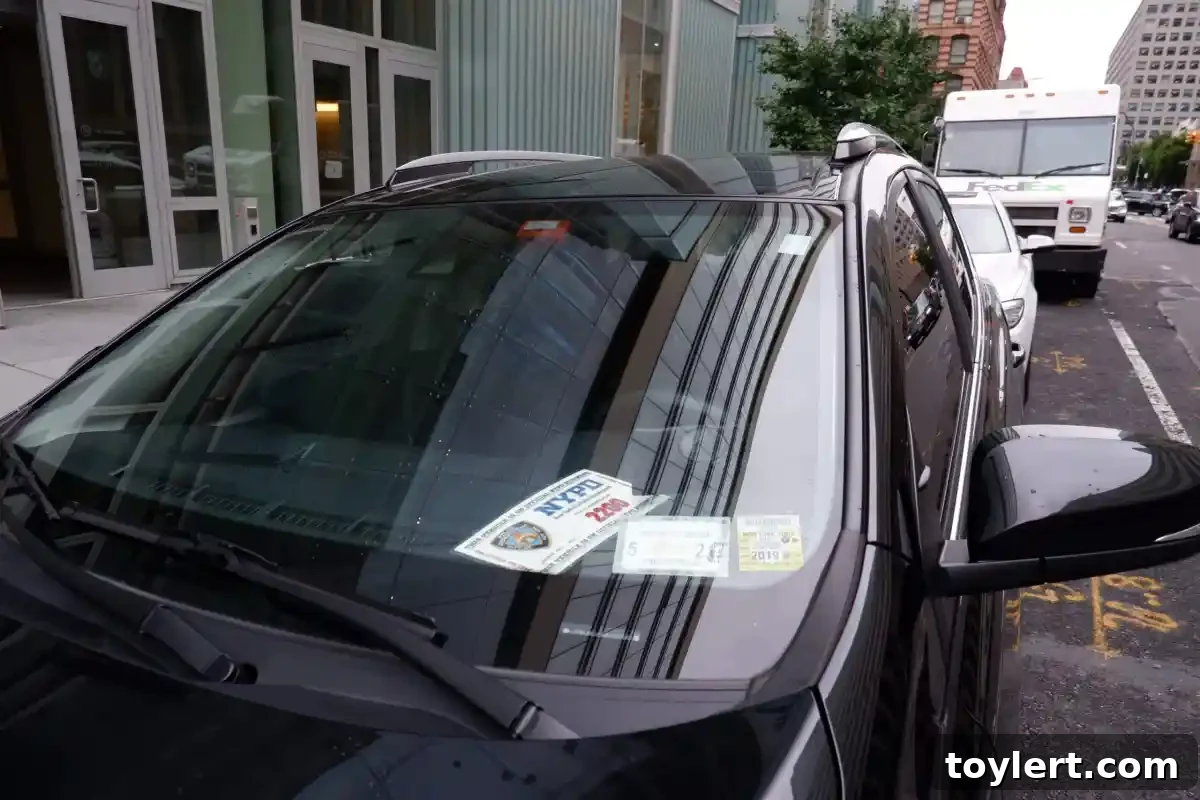
Downtown Brooklyn, a vibrant nexus of commerce, culture, and community, grapples with an enduring urban challenge: rampant illegal parking. This persistent issue, long a source of frustration for residents and a bottleneck for traffic, was recently brought into sharp focus by a comprehensive NYC Council study. Released on Monday, the report unequivocally revealed that unlawful parking practices are not merely occasional occurrences but a widespread scourge permeating every corner of this dynamic commercial and residential district. Disturbingly, a significant portion of the offending vehicles were found to be brazenly displaying both authentic and counterfeit parking placards, exacerbating the problem and highlighting a systemic breakdown in enforcement.
The groundbreaking study, spearheaded by Brooklyn City Council Member Lincoln Restler, represents a diligent and meticulous effort to quantify the scope and severity of illegal parking in one of New York City’s busiest boroughs. Over an intensive period spanning nearly a month, from May 26 to June 20, researchers analyzed thousands of distinct parking instances. This granular approach provided undeniable evidence of a pervasive disregard for existing parking regulations, exposing a culture where convenience often trumps compliance. To gain a truly representative understanding of the problem’s frequency and extent, the study strategically surveyed an expansive area encompassing 60 blocks, ensuring that its findings reflect the broader reality faced by Downtown Brooklyn.
The Alarming Findings of Council Member Lincoln Restler’s Study on Brooklyn Parking
The detailed findings of Council Member Restler’s report paint a stark picture of the illegal parking landscape in Downtown Brooklyn. Far from isolated incidents, the study documented a staggering number of violations, suggesting that unlawful parking is deeply ingrained in the daily fabric of the neighborhood. The methodology involved direct observation and data collection across a diverse cross-section of blocks, including heavily trafficked commercial arteries, bustling retail corridors, and quieter residential streets. This comprehensive sweep allowed the council to identify hot spots and patterns of non-compliance. The sheer volume of thousands of analyzed parking instances underscores the systematic nature of the problem, indicating that current enforcement mechanisms are either insufficient or inconsistently applied, leading to a general sense of impunity among many drivers. The findings resonate with the daily experiences of commuters, local businesses, and pedestrians who navigate the area, validating long-held community grievances about the difficulty of finding legal parking and the associated hazards of illegally parked vehicles.
The Pervasive Problem of Parking Placard Abuse in NYC
One of the most concerning revelations from the Downtown Brooklyn parking study was the widespread misuse of parking placards. Vehicles illegally parked were often observed displaying an array of placards, some legitimate and some forged. This phenomenon, known as placard abuse, allows individuals to circumvent parking rules with apparent impunity, occupying spaces designated for others or simply parking wherever they please, including in no-standing zones, bus lanes, and pedestrian crosswalks. The presence of both real and fake placards complicates enforcement efforts. While fake placards represent outright fraud, the misuse of legitimate placards by government employees, emergency personnel, or individuals with disabilities who are not on official duty or do not require the accommodation at a given time undermines the integrity of the system. This abuse contributes significantly to traffic congestion, reduces turnover in commercial areas, and makes it incredibly difficult for genuinely authorized vehicles to find appropriate parking. It fosters a perception of inequity, where certain individuals are seen as being above the law, further eroding public trust in parking regulations and enforcement.
The Tangible Impact of Illegal Parking on Downtown Brooklyn’s Community
The ramifications of widespread illegal parking extend far beyond mere inconvenience; they profoundly impact the quality of life and functionality of Downtown Brooklyn. For residents, the daily struggle to find legal parking near their homes is a significant source of stress, leading to endless circling of blocks, increased vehicle emissions, and often, reluctant participation in the cycle of illegal parking themselves. Local businesses suffer as potential customers are deterred by the lack of available parking, impacting their revenue and contributing to economic stagnation. Traffic congestion, exacerbated by vehicles double-parking or blocking lanes, becomes a perpetual headache for commuters and delivery services, leading to delays and increased travel times. More critically, illegal parking poses severe safety risks. Vehicles blocking fire hydrants, crosswalks, bus stops, or bike lanes endanger pedestrians, cyclists, and emergency responders. It reduces visibility for drivers and pedestrians alike, increasing the likelihood of accidents. Furthermore, the persistent clutter of illegally parked cars detracts from the aesthetic appeal of the neighborhood, diminishing its overall vibrancy and pedestrian-friendliness.
Navigating the Complexities: Why Illegal Parking Persists in Urban Hubs
Understanding why illegal parking persists as such a pervasive issue in urban centers like Downtown Brooklyn requires a look at a confluence of factors. High population density coupled with limited physical space inherently creates a supply-demand imbalance for parking. The intricate web of existing parking regulations – including alternate side parking, metered zones, no-standing zones, and commercial loading zones – can be confusing for drivers, even for those attempting to comply. However, a significant part of the problem lies in insufficient enforcement. With limited traffic enforcement personnel and the sheer volume of vehicles, comprehensive monitoring and consistent ticketing can be challenging. The issue of placard abuse further complicates matters, as enforcement officers may hesitate to ticket vehicles displaying what appear to be official credentials, regardless of whether they are being misused. Moreover, for many drivers, the perceived cost-benefit analysis often tips in favor of illegal parking; the minor risk of a ticket might be seen as preferable to the time, effort, and expense of finding legal parking, especially if fines are perceived as negligible or rarely enforced. This systemic tolerance, whether intentional or not, perpetuates the problem, creating a cycle that is difficult to break without comprehensive intervention.
Towards Sustainable Solutions: Strategies for a Clearer Downtown Brooklyn
Addressing Downtown Brooklyn’s endemic illegal parking problem requires a multi-faceted approach that combines stricter enforcement with innovative urban planning and technological solutions. A critical first step involves significantly increasing the presence of traffic enforcement agents and empowering them to issue citations consistently, irrespective of placard display, with a robust system for verifying placard legitimacy. This increased presence should be complemented by targeted enforcement in known hotspots identified by Council Member Restler’s study. Furthermore, technology can play a transformative role. Implementing smart parking systems that provide real-time availability information can guide drivers to legal spots, reducing cruising and frustration. Automated license plate recognition (ALPR) cameras could be deployed to identify repeat offenders or vehicles parked in restricted zones, especially in conjunction with bus lane enforcement. Reforming the existing placard system is also essential; this could involve a comprehensive review of who qualifies for placards, stricter auditing of their use, and the introduction of digital placards that are easier to verify and harder to forge. Beyond enforcement, strategic urban planning initiatives, such as creating more dedicated loading zones for commercial deliveries, expanding public transit options, and developing well-located municipal parking garages, can alleviate pressure on street parking. Public awareness campaigns can also help educate drivers about the negative impacts of illegal parking and encourage compliance.
A Call for Collaborative Action: Reclaiming Brooklyn’s Streets
The findings of Council Member Lincoln Restler’s study on illegal parking in Downtown Brooklyn serve as a critical wake-up call, emphasizing that this is not merely a nuisance but a serious impediment to the neighborhood’s livability, safety, and economic vitality. Reclaiming Brooklyn’s streets from the grip of illegal parking will necessitate a concerted and collaborative effort from various stakeholders. The NYC Department of Transportation (DOT), the NYPD, city council members, local businesses, and community organizations must work in tandem to develop and implement sustainable solutions. This includes not only rigorous enforcement but also thoughtful policy reforms, investment in modern parking infrastructure, and a renewed commitment to prioritizing pedestrians, cyclists, and public transit. By acknowledging the problem’s gravity and committing to decisive action, Downtown Brooklyn can aspire to be a more accessible, safer, and more enjoyable urban environment for everyone who lives, works, and visits this vibrant district. The time for discussion has passed; the time for tangible, impactful change is now, ensuring that the insights gained from this crucial study translate into a clearer, more compliant future for Brooklyn’s busy streets.