Exploring the Ever-Evolving Tapestry of Brooklyn: Culture, Community, and Change
Brooklyn, a borough renowned for its rich history, diverse communities, and vibrant cultural scene, is a place of constant transformation. From its historic brownstones to its cutting-edge art districts, Brooklyn encapsulates a dynamic interplay between tradition and modernity. This article delves into various facets of Brooklyn life, touching upon pressing social issues, unique local stories, and the enduring spirit that defines this iconic New York City borough.
As Brooklyn continues to evolve, it presents a fascinating mosaic of challenges and triumphs, offering a glimpse into the complexities of urban development, community identity, and the relentless march of progress. We explore key themes that capture the essence of Brooklyn today, providing insights into its cultural heartbeat and the dialogues shaping its future.
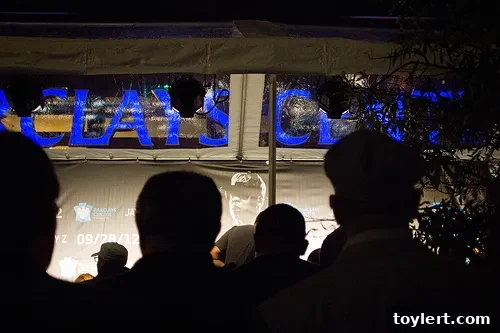
Brooklyn’s Identity in Flux: The Bed-Stuy Story
The question, “Whose Bed Stuy Is It?” resonates deeply within one of Brooklyn’s most historically significant neighborhoods, Bedford-Stuyvesant. Once considered the epicenter of African-American culture in Brooklyn, Bed-Stuy has undergone dramatic demographic and economic shifts in recent decades. The influx of new residents, drawn by its beautiful brownstones, tree-lined streets, and vibrant community spirit, has brought both investment and controversy. While new businesses and amenities have revitalized commercial corridors, long-time residents often grapple with rising rents, displacement, and the perceived erosion of the neighborhood’s unique cultural fabric.
This ongoing transformation sparks critical conversations about gentrification, cultural preservation, and equitable development. Community leaders and residents actively engage in dialogues to ensure that as Bed-Stuy evolves, its rich heritage is honored, and the benefits of growth are shared by all. The spirit of Bed-Stuy remains resilient, a testament to its strong community bonds and the passionate efforts to shape its future while respecting its past.
The Culinary Quest: Unearthing Brooklyn’s $1 Pizza Slices
In the bustling culinary landscape of Brooklyn, the search for the elusive $1 pizza slice is more than just a quest for an affordable meal; it’s a nostalgic pursuit and a symbol of urban affordability. Pizza holds a revered place in New York City’s culinary identity, and Brooklyn, in particular, boasts some of the city’s finest pizzerias. For generations, the accessible $1 slice has been a lifeline for students, workers, and budget-conscious residents, representing a democratic food option in a city increasingly known for its upscale dining.
However, as operational costs soar and real estate prices climb, the viability of the $1 slice is constantly challenged. Many pizzerias have reluctantly raised their prices, making the true $1 slice a rare find. This trend reflects broader economic pressures affecting small businesses across the borough. Yet, the hunt continues, fueled by local publications and dedicated food enthusiasts determined to discover and celebrate the few remaining establishments that cling to this cherished tradition. It’s a testament to Brooklynites’ enduring love for pizza and their appreciation for culinary value.
Urban Wildlife Encounters: The Raccoon of Park Slope
Even in a densely populated borough like Brooklyn, nature finds a way to coexist with urban life, sometimes in surprisingly close quarters. The tale of a raccoon “ruining a Yom Kippur in Park Slope” perfectly illustrates these often-humorous, sometimes disruptive, encounters between humans and urban wildlife. Park Slope, known for its elegant brownstones, family-friendly atmosphere, and proximity to Prospect Park, is no stranger to sightings of raccoons, squirrels, and various bird species.
These animals, adept at navigating city environments, occasionally wander into residential areas, leading to unexpected interactions. While mostly harmless, a raccoon’s opportunistic scavenging can indeed disrupt a quiet evening or a solemn occasion, as was the case with the Yom Kippur incident. Such stories become part of the local lore, highlighting the charming unpredictability of city living and the constant negotiation between human habitation and the natural world. They serve as gentle reminders that even amidst skyscrapers and bustling streets, a wild side of Brooklyn continues to thrive.
Celebrating Heritage: Oktoberfest and Greenpoint’s Vibrant Culture
Greenpoint, Brooklyn’s northernmost neighborhood, is a vibrant tapestry woven from rich history, diverse communities, and a thriving contemporary arts scene. Historically known for its strong Polish immigrant community, Greenpoint maintains a palpable connection to its European roots. This heritage is wonderfully celebrated through events like Oktoberfest, which brings together residents and visitors to enjoy traditional music, food, and beer. Such celebrations are more than just festivals; they are essential threads in the fabric of local identity.
Oktoberfest in Greenpoint showcases the neighborhood’s ability to honor its past while embracing its present. It provides a platform for community gathering, cultural exchange, and economic vitality for local businesses. Beyond its Polish legacy, Greenpoint has also become a hub for artists, young professionals, and creative enterprises, contributing to its eclectic charm. These diverse influences converge to make Greenpoint a dynamic and welcoming neighborhood, where cultural events play a crucial role in fostering a strong sense of belonging and collective pride.
Echoes of the Past: The Enduring Legacy of the Brooklyn Dodgers in Flatbush
The connection between the Brooklyn Dodgers and Flatbush runs deep, representing a golden era in baseball history and a poignant chapter in Brooklyn’s cultural narrative. Though the team famously moved to Los Angeles in 1957, abandoning their beloved Ebbets Field and breaking the hearts of countless fans, their legacy in Flatbush and across Brooklyn remains remarkably vibrant. The Dodgers were more than just a baseball team; they were a symbol of Brooklyn’s working-class spirit, its pioneering integration of Jackie Robinson, and a source of immense community pride.
Even decades later, the “Boys of Summer” evoke powerful memories of legendary players like Jackie Robinson, Duke Snider, and Sandy Koufax. Flatbush, the former home of Ebbets Field, still carries echoes of the roar of the crowd and the thrill of the game. Murals, commemorative plaques, and local businesses proudly display Dodger memorabilia, ensuring that younger generations understand the team’s historical significance. The Dodgers’ story serves as a reminder of the profound impact sports can have on civic identity and the enduring power of shared history in shaping a community’s soul.
The Barclays Center Debate: A New Era or a Lost Soul?
The construction and opening of the Barclays Center in downtown Brooklyn sparked fervent debate, embodying the tension between urban development and community preservation. An “elegy for Brooklyn, in the shadow of Barclays,” captures the sentiment of many who viewed the arena as a symbol of profound change—both positive and negative. Proponents hailed it as a catalyst for economic growth, a modern sports and entertainment venue, and a landmark for the borough. Indeed, the Barclays Center has brought new jobs, revenue, and high-profile events to Brooklyn.
However, critics mourned what they perceived as the erosion of “old Brooklyn” – the displacement of long-time residents and businesses, the alteration of neighborhood aesthetics, and the transformation of a once gritty, authentic urban landscape into a more corporate, homogenized environment. The development ignited discussions about eminent domain, affordable housing, and the true cost of progress. The Barclays Center stands as a powerful symbol of Brooklyn’s ongoing evolution, a physical manifestation of the borough’s struggle to balance modernization with the preservation of its unique character and community spirit.
Brooklyn Through an Outsider’s Lens: Peggy Noonan’s Observations
When prominent figures like conservative columnist Peggy Noonan visit Brooklyn, their observations often provide an interesting external perspective on the borough’s evolving identity. Such visits can highlight the cultural shifts and diverse realities that define Brooklyn today, sometimes contrasting sharply with preconceived notions or historical stereotypes. Noonan’s visit likely sparked discussions about Brooklyn’s journey from a working-class borough to a global symbol of cool, creativity, and progressivism.
An outsider’s lens can sometimes offer fresh insights, but it can also reveal misunderstandings or superficial interpretations of a complex place. These observations often prompt Brooklynites to reflect on how their borough is perceived by the rest of the world, whether those perceptions align with their lived experiences, and how Brooklyn maintains its authenticity amidst increasing national and international attention. Such commentaries, regardless of their nature, contribute to the ongoing narrative surrounding Brooklyn’s place in the broader cultural landscape.
Environmental Vigilance: Navigating the Challenges of the Gowanus Canal
The cautionary advice, “Don’t Eat That (Toxic, Gowanus) Yellow Corn,” underscores a critical environmental challenge in Brooklyn: the long-standing contamination of the Gowanus Canal. This infamous waterway, once a bustling industrial artery, earned its Superfund site designation due to decades of pollution from industrial waste and sewage overflow. The presence of toxins in the soil and water poses serious health risks, particularly to those who interact directly with the canal or consume food grown near its banks.
The Gowanus Canal represents a complex environmental justice issue, as communities living in close proximity to polluted sites often bear the brunt of ecological damage. Efforts to clean up the canal are ongoing, involving extensive dredging and capping projects, alongside community-led initiatives for environmental awareness and advocacy. The story of the Gowanus is a testament to the resilience of local activists and environmental organizations working tirelessly to transform a polluted relic into a cleaner, healthier urban waterway, ensuring a safer future for both residents and the delicate ecosystems it supports.
The Enduring Spirit of Brooklyn
From the passionate debates over gentrification in Bed-Stuy to the environmental struggles of the Gowanus Canal, and from the culinary quests for affordable pizza to the humorous encounters with urban wildlife, Brooklyn presents a kaleidoscope of experiences. It is a borough defined not just by its iconic landmarks or its ever-changing skyline, but by the vibrant communities, diverse cultures, and resilient spirits of its inhabitants. Each story, whether historical or contemporary, contributes to the rich, complex narrative of a place that continues to capture the imagination of the world.
Brooklyn remains a beacon of creativity, innovation, and community activism, constantly reinventing itself while striving to honor its profound history. The ongoing dialogues about its future reflect a deep commitment to ensuring that Brooklyn continues to be a place where identity, heritage, and progress can coexist, shaping a dynamic future for generations to come. The tapestry of Brooklyn is far from complete; it is continuously being woven, thread by vibrant thread, by the lives and stories within its borders.
Photo by m_dougherty