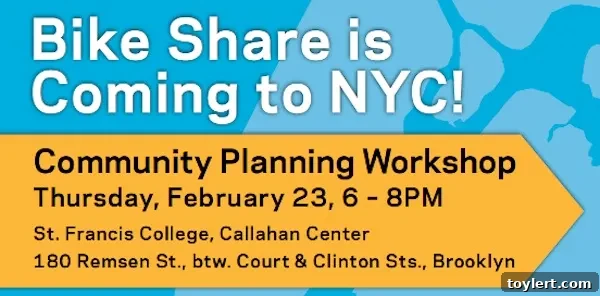
Shaping Brooklyn’s Future: Community Workshop on Bike Share Locations
Tonight marks a pivotal moment for urban mobility and sustainable living in Brooklyn. Residents are invited to a crucial workshop where they can directly influence the rollout of the borough’s anticipated bike share program. This evening’s event provides a unique opportunity for community members to voice their opinions, concerns, and suggestions regarding the strategic placement of bike “docking stations” across Brooklyn. It’s an essential step in ensuring that the bike share system effectively serves the needs of its diverse communities, fostering a greener, more accessible urban landscape.
Understanding Bike Share Programs: A Global Trend Towards Sustainable Mobility
Bike sharing has emerged as a transformative solution in urban transportation worldwide, offering a flexible and eco-friendly alternative to traditional commuting methods. These programs typically involve a network of publicly available bicycles that can be rented for short periods from various docking stations and returned to any other station within the system. The concept has gained immense popularity for its ability to reduce traffic congestion, lower carbon emissions, and promote healthier lifestyles.
The global proliferation of bike share systems underscores a growing commitment by cities to embrace sustainable urban planning. From bustling metropolises to charming towns, communities are recognizing the multifaceted benefits:
- Enhanced Accessibility: Providing an affordable and convenient mode of transport for short-distance trips, connecting residents to public transit hubs, local businesses, and recreational areas.
- Environmental Benefits: Significantly reducing reliance on private vehicles, thereby lowering greenhouse gas emissions and improving air quality.
- Health and Wellness: Encouraging physical activity and promoting an active lifestyle among users.
- Economic Impact: Boosting local economies by increasing foot traffic to shops and restaurants, and offering a cost-effective alternative to car ownership or constant taxi fares.
- Traffic Congestion Relief: Alleviating pressure on roads and public transport, particularly during peak hours.
As Brooklyn continues its rapid development, integrating a well-planned bike share system becomes not just an amenity, but a vital component of its future urban fabric.
Why Brooklyn is Ripe for a Robust Bike Share System
Brooklyn, with its vibrant neighborhoods, dense urban areas, and growing population, presents an ideal environment for a successful bike share program. The borough is characterized by:
- High Population Density: Numerous residents seeking efficient ways to navigate short to medium distances within and between neighborhoods.
- Traffic Congestion: Persistent issues with vehicular traffic, making cycling an attractive and often faster alternative.
- Strong Community Identity: Residents who are actively engaged in shaping their neighborhoods and advocating for sustainable initiatives.
- Existing Cycling Culture: A growing base of cyclists who can benefit from an expanded infrastructure and convenient access to bikes.
- Tourist Appeal: A bike share system would provide tourists with an enjoyable and practical way to explore Brooklyn’s many attractions, from Prospect Park to the Brooklyn Bridge.
The introduction of a comprehensive bike share network would seamlessly integrate with Brooklyn’s existing public transportation, offering a crucial “last mile” solution for commuters and enhancing overall connectivity. It represents a forward-thinking approach to urban living, aligning with the borough’s progressive spirit and commitment to sustainability.
The Crucial Role of Community Input in Successful Urban Planning
The success of any major urban infrastructure project, especially one that directly impacts daily life like a bike share program, hinges on robust community engagement. Public workshops, like the one being held tonight, are indispensable for several reasons:
- Local Knowledge: Residents possess invaluable insights into neighborhood dynamics, pedestrian flows, traffic patterns, and areas with high demand or unique challenges. Their input can prevent costly mistakes and ensure optimal placement.
- Addressing Concerns: Provides a platform for addressing potential anxieties related to space, safety, traffic, or aesthetic impact, allowing for proactive problem-solving.
- Building Buy-in: When communities feel heard and involved in the planning process, they are more likely to embrace and support the new system, fostering a sense of ownership.
- Ensuring Equity: Helps ensure that the system is accessible and beneficial to all demographics and neighborhoods, preventing disparities in service.
- Tailored Solutions: Allows the program to be customized to Brooklyn’s specific needs, rather than adopting a one-size-fits-all approach.
By bringing together residents, local officials, and transportation experts, these workshops create a collaborative environment where diverse perspectives can converge to craft the best possible outcome for the borough.
Tonight’s Pivotal Workshop: Your Opportunity to Influence Brooklyn’s Bike Share Network
This evening, Brooklyn residents have a direct pathway to contribute to the future of their borough’s transportation landscape. The workshop, dedicated to discussing possible locations for bike “docking stations,” is an open forum for dialogue and democratic planning.
Event Details:
- Date: Tonight
- Time: 6:00 PM to 8:00 PM
- Location: 180 Remsen Street
Who’s Attending? Key Stakeholders in Brooklyn’s Urban Development
The presence of multiple key stakeholders underscores the significance and collaborative nature of this initiative. Attendees representing various levels of local government and city agencies include:
- Community Board 2 (CB2): Representing the immediate concerns and needs of the district’s residents and businesses. Their input ensures that local interests are at the forefront of the planning process.
- State Senator Daniel Squadron: A key legislative voice advocating for his constituents at the state level, ensuring that state resources and policies support local initiatives.
- Assemblymember Joan Millman: Representing Brooklyn’s interests in the State Assembly, providing a crucial link between state governance and local community needs.
- Councilmember Letitia James: A prominent local leader, bringing a deep understanding of Brooklyn’s diverse communities and advocating for equitable development.
- Councilmember Stephen Levin: Another vital local representative, ensuring that the bike share program aligns with broader urban planning goals and community welfare.
- NYC Department of Transportation (DOT): The primary city agency responsible for planning, building, and maintaining New York City’s transportation infrastructure. Their expertise is crucial for the technical implementation and long-term sustainability of the bike share system.
This esteemed panel of officials and experts will be on hand to listen, discuss, and integrate community feedback into the planning for what promises to be a transformative addition to Brooklyn’s transportation network.
Strategic Placement: Key Factors for Optimal Bike Docking Station Locations
The success of a bike share program largely depends on the intelligent and strategic placement of its docking stations. These aren’t just arbitrary points on a map; they are critical nodes that dictate accessibility, usability, and the overall efficiency of the system. Tonight’s workshop will delve into various factors that must be considered when determining these locations:
- Proximity to Public Transport Hubs: Stations should be strategically located near subway, bus, and ferry stops to facilitate seamless transfers, effectively bridging the “first and last mile” gap for commuters.
- High Residential Density Areas: Placing stations in densely populated residential zones ensures convenience for daily commutes and recreational use.
- Commercial and Employment Centers: Easy access to bikes near offices, retail districts, and business hubs encourages their use for work-related travel and lunch breaks.
- Major Attractions and Parks: Locations near popular tourist sites, cultural institutions, and green spaces like Prospect Park enhance accessibility for leisure riders and visitors.
- Safety and Visibility: Stations must be placed in well-lit, visible areas to deter vandalism and ensure user safety, while also being easily discoverable.
- Minimizing Obstruction: Ensuring that docking stations do not impede pedestrian traffic, obstruct building entrances, or interfere with street furniture and infrastructure.
- Network Connectivity: Creating a comprehensive grid that allows users to pick up and drop off bikes conveniently across the entire service area, avoiding isolated stations.
- Equity and Coverage: Distributing stations fairly across different neighborhoods, ensuring that underserved communities also benefit from the program.
- Future Expansion Potential: Considering areas that may see future growth or development, allowing for flexible expansion of the network.
Through collaborative discussion, the workshop aims to identify locations that strike the optimal balance between these competing factors, creating a truly integrated and user-friendly system.
Beyond Convenience: The Multifaceted Benefits of a Thriving Bike Share Program
A well-implemented bike share system extends far beyond simply offering a mode of transport. Its benefits permeate various aspects of urban life, contributing to Brooklyn’s overall well-being and sustainability goals:
- Environmental Stewardship: By encouraging a shift away from motor vehicles, bike sharing directly contributes to a reduction in air pollution and carbon emissions, making Brooklyn a healthier place to live.
- Public Health Improvement: Regular cycling contributes significantly to physical fitness, reducing sedentary lifestyles and promoting cardiovascular health among residents.
- Economic Vibrancy: Increased cycling means more people on the streets, often leading to greater engagement with local businesses, boosting sales for cafes, shops, and restaurants.
- Social Equity: Providing an affordable transportation option can significantly benefit low-income residents, expanding their access to employment, education, and essential services.
- Enhanced Urban Experience: Cycling offers a unique way to experience the city, fostering a deeper connection with neighborhoods and promoting local exploration.
- Reduced Parking Demand: Fewer cars on the road and less reliance on personal vehicles can alleviate parking pressures, freeing up valuable street space for other uses.
These collective benefits underscore why the establishment of a robust bike share program is more than just a transportation initiative; it’s an investment in Brooklyn’s future as a vibrant, healthy, and sustainable urban center.
Proactive Planning: Addressing Potential Challenges and Ensuring System Success
While the benefits of bike sharing are clear, successful implementation also requires proactive planning to mitigate potential challenges. Community input is crucial in identifying and addressing these concerns early on:
- Space Allocation: Ensuring that docking stations are placed without unduly encroaching on pedestrian pathways or green spaces.
- Traffic and Safety: Addressing concerns about increased bike traffic and ensuring the safety of cyclists and pedestrians, potentially through improved cycling infrastructure.
- Maintenance and Operations: Establishing robust plans for bike maintenance, redistribution, and cleaning to ensure the system remains functional and appealing.
- Vandalism and Theft: Implementing security measures and community engagement strategies to protect the equipment.
- Equitable Distribution: Actively working to ensure the system serves all neighborhoods, avoiding concentration solely in affluent areas.
By openly discussing these challenges and involving the community in finding solutions, Brooklyn can build a bike share system that is resilient, well-maintained, and truly serves the entire borough.
A Greener, More Connected Brooklyn: Envisioning the Future of Urban Mobility
The bike share initiative is not an isolated project but a fundamental piece of Brooklyn’s evolving vision for urban mobility. It represents a commitment to creating a city where residents have diverse, sustainable, and efficient options for getting around. This includes fostering better integration with existing public transit, promoting safer streets for all users, and embracing smart city technologies to enhance the overall transportation experience.
As Brooklyn continues to grow and adapt, initiatives like the bike share program play a crucial role in shaping its identity as a progressive, environmentally conscious, and community-centric borough. The decisions made tonight regarding docking station locations will have lasting implications, influencing daily commutes, recreational activities, and the overall quality of life for countless residents.
Make Your Voice Heard: A Call to Action for Brooklyn Residents
The opportunity to directly contribute to such a significant urban development project is rare and valuable. Tonight’s workshop at 180 Remsen Street, from 6 PM to 8 PM, is more than just a meeting; it is a collaborative design session for the future of Brooklyn’s streets. Whether you are a daily commuter, an occasional cyclist, a local business owner, or simply a concerned resident, your perspective is invaluable.
Do not miss this chance to engage with your elected officials and the Department of Transportation. Your ideas and feedback are essential to creating a bike share system that is truly effective, equitable, and reflective of Brooklyn’s diverse needs. Be part of the conversation that will help lay the groundwork for a more sustainable, accessible, and vibrant Brooklyn for years to come.