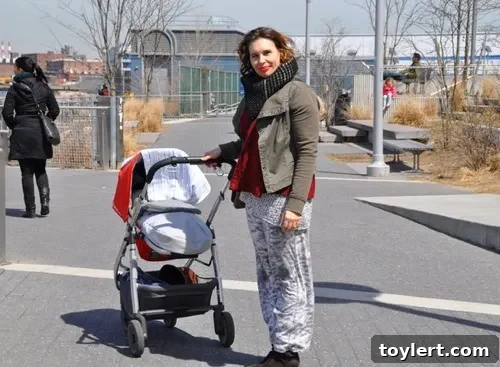
Williamsburg’s New Frontier: Navigating the Rhythms of Urban Growth Amidst Family Life
Once known for its bohemian spirit, industrial roots, and burgeoning art scene, Williamsburg, Brooklyn, has undergone a dramatic transformation over the past two decades. What was once a haven for artists and young professionals seeking an alternative lifestyle has rapidly evolved into one of New York City’s most sought-after residential neighborhoods, attracting a new demographic: families. This shift has brought with it luxury condominiums, high-end boutiques, and a vibrant culinary scene. However, this rapid urban development isn’t without its growing pains, especially for those navigating the delicate balance of raising young children in a constantly evolving environment. The constant hum of construction, the inevitable dust, and the pervasive noise have become a focal point of discussion, prompting a new kind of “outrage” that echoes the past but carries distinctly modern implications.
Williamsburg’s Demographic Shift: From Hipsters to High Chairs
The image of Williamsburg has undeniably changed. The once-edgy streets are now frequently graced by parents pushing strollers, heading to new parks, or frequenting family-friendly cafes. This demographic shift isn’t accidental; it’s a direct consequence of massive investment in real estate and infrastructure, leading to a surge in new housing options. Many families, drawn by the neighborhood’s amenities, waterfront views, excellent schools, and proximity to Manhattan, are choosing to settle down here, often making significant financial commitments. Renting an apartment can easily exceed $5,000 a month, while purchasing property often runs into the millions, signaling a clear investment in the Williamsburg lifestyle.
This influx of families has, in turn, spurred the demand for more services catering to them, from daycares and pediatricians to children’s bookstores and play spaces. The neighborhood’s evolution is a testament to its desirability, transforming from a fringe area into a prime location for those seeking a dynamic urban experience without sacrificing community and family-centric living. Yet, this very growth engine – the construction boom – now stands in stark contrast to the quiet needs of its youngest residents.
The Echoes of Progress: Construction Noise and Dust Disrupting Daily Life
The sound of jackhammers, the rumble of heavy machinery, and the constant presence of scaffolding have become the soundtrack to daily life in much of Williamsburg. According to reports from DNAinfo, this incessant construction boom is severely impacting the quality of life for families, particularly for infants and toddlers whose schedules are dictated by naps and outdoor excursions. For parents, the struggle is multifaceted: trying to soothe a baby through the cacophony of drills, finding a quiet route for a stroller walk without inhaling dust, or simply enjoying a moment of peace in their expensive homes becomes an uphill battle.
Noise pollution, a major byproduct of intensive construction, is more than just an annoyance. For babies, consistent exposure to loud, unpredictable sounds can disrupt sleep patterns, potentially impacting their development and overall well-being. Sleep deprivation in infants leads to fussy behavior, while for parents, it exacerbates stress and exhaustion, making the challenges of new parenthood even more daunting. Furthermore, the dust generated by demolition and building can contain various particulates, raising concerns about air quality and potential respiratory issues for young children and adults alike.
Outdoor walks, a vital part of a baby’s routine and a parent’s sanity, are also compromised. Sidewalks are frequently obstructed, routes become circuitous, and the general urban environment transforms from a welcoming space into a hazardous obstacle course. What was once envisioned as a vibrant, pedestrian-friendly neighborhood for families now feels like an active construction zone, demanding constant vigilance and adaptability from its newest residents.
Parental Investment and the Perception of “Entitlement”
The frustration expressed by Williamsburg parents often elicits a mixed response, sometimes leading to accusations of “entitlement.” The argument posits that those who pay premium prices for urban living should anticipate the realities of a bustling, developing city. However, this perspective often overlooks the profound financial and emotional investment these families make. When parents commit to paying $5,000 a month in rent or millions to purchase a home, they are not just buying square footage; they are investing in a promise – the promise of a certain quality of life, access to amenities, and a stable environment for their children to thrive. Their expectations are often rooted in the marketing and vision presented for these upscale developments.
These families chose Williamsburg for its vibrant community, its green spaces along the waterfront, and its evolving reputation as a desirable place to raise children. When that idyllic vision is constantly undermined by the harsh realities of non-stop construction, their frustration is understandable. It’s not necessarily about being “entitled” to silence in a city that never sleeps, but rather about the perceived imbalance between the benefits promised and the daily inconveniences endured, particularly when those inconveniences directly affect the health and routines of their vulnerable infants.
The Inevitable Boom: Why Williamsburg is Under Constant Construction
The reason behind the pervasive construction is simple: Williamsburg is experiencing an unprecedented building boom. Indeed, it holds the distinction of having the highest number of new buildings going up in any neighborhood in Brooklyn. This isn’t merely random development; it’s a response to intense market demand and a reflection of urban planning strategies to accommodate a growing population in New York City. Much of the development is concentrated along the waterfront, transforming former industrial sites into gleaming residential towers, retail spaces, and public parks. This process, while bringing economic growth and much-needed housing stock, inherently involves disruption.
Developers are capitalizing on available land, favorable zoning changes, and the neighborhood’s undeniable appeal. Each new project represents jobs, tax revenue, and further amenities for the area. The sheer scale and density of these projects mean that for several years, residents will likely face ongoing construction on nearly every block. This continuous cycle of demolition, excavation, and construction is a necessary evil for growth, but it places significant strain on the existing community, particularly those most sensitive to environmental disturbances.
Balancing Progress and Quality of Life: A City’s Enduring Challenge
The situation in Williamsburg highlights a universal challenge faced by rapidly developing urban areas: how to balance necessary growth and economic prosperity with the quality of life for its residents. Cities are dynamic entities, constantly evolving, but this evolution often comes at a cost to those who inhabit them during periods of intense change. The question isn’t whether construction should happen, but how it can be managed more thoughtfully to mitigate its negative impacts.
Possible solutions and considerations include stricter enforcement of noise ordinances, especially during sensitive hours; requiring developers to implement advanced dust control measures; establishing clear communication channels between construction companies and local residents; and exploring temporary relocation or compensation for severely impacted families. Community advocacy groups also play a crucial role in voicing concerns and pushing for responsible development practices.
Ultimately, the narrative of Williamsburg’s construction boom and its impact on families is a microcosm of New York City’s perpetual transformation. It underscores the continuous negotiation between progress and preservation, between economic imperatives and the fundamental human need for peace and well-being. As Williamsburg continues to attract new residents and evolve, finding sustainable ways to integrate growth with livability will remain a critical task for policymakers, developers, and the community alike.
The conversation around “babies in bars” in Park Slope once highlighted a cultural shift in how parents integrated their lives into urban social spaces. Now, the discussion has moved to the very fabric of urban living – the physical environment itself. The focus has shifted from social acceptance to the tangible impact of development on the most vulnerable members of the community, underscoring that as times change, so do the challenges of navigating life in New York’s ever-changing neighborhoods.
Original report: Williamsburg Construction Boom Ruining Babies’ Naps and Walks [DNAinfo]
Photo by Meredith Hoffman for DNAinfo