Brooklyn’s Forgotten Sacrifice: Uncovering the Revolutionary War Prison Ship Martyrs
When the story of America’s founding is recounted, historical narratives often gravitate towards the cobblestone streets of Boston, the grand halls of Philadelphia, or the hallowed grounds of Lexington and Concord. Yet, a crucial chapter, steeped in profound sacrifice and often overlooked, unfolded dramatically on the shores and waters surrounding New York City, particularly in Brooklyn. This vibrant borough, now known for its artistic flair and diverse communities, once bore witness to one of the American Revolution’s most tragic episodes: the suffering and death of thousands of American patriots aboard British prison ships.
For those eager to delve deeper into Brooklyn’s proud, albeit somber, contributions to American independence, immersive walking tours offer a unique opportunity. These tours traverse historic neighborhoods like Dumbo, Vinegar Hill, and Fort Greene, guiding participants through an exploration of the valiant individuals who perished in captivity on British vessels anchored off the coast of what was then Kings County.
The Unsung Battlefield: New York City in the American Revolution
While cities like Boston and Philadelphia typically dominate the Revolutionary War discourse, New York City played an undeniably pivotal, albeit often disastrous, role in the conflict. Urban archaeologist Alyssa Loorya, an expert in uncovering the city’s hidden historical layers, frequently emphasizes this overlooked significance. “When people learn about the American Revolution, they obviously think of Boston, Philadelphia, Lexington, and Concord — they really don’t think of New York City,” Loorya notes, underscoring a common historical blind spot.
New York’s strategic location, with its vital port and access to the Hudson River, made it a primary target for British forces. The city became a crucial hub for the British military for much of the war, serving as their headquarters, a logistical base, and, tragically, a vast prison camp for captured American soldiers and civilians. This occupation transformed the cityscape into a theater of war, starvation, and captivity, leaving an indelible mark that many tours now seek to illuminate.
The Disastrous Defeat and the Rise of the Prison Ships
The Battle of Brooklyn: A Turning Point
The turning point for New York City’s role as a major British stronghold, and the genesis of the prison ship horrors, was the Battle of Brooklyn (also known as the Battle of Long Island) in August 1776. This monumental engagement was the first major battle after the Declaration of Independence and the largest battle of the entire war. General George Washington’s Continental Army, outnumbered and outmaneuvered by General William Howe’s British and Hessian forces, suffered a crushing defeat. Thousands of American soldiers were captured, wounded, or killed, marking a severe setback for the nascent rebellion. The scale of the capture created an immediate and unprecedented challenge for the British: what to do with such a vast number of prisoners of war.
Horror on the Water: Life Aboard the British Prison Ships
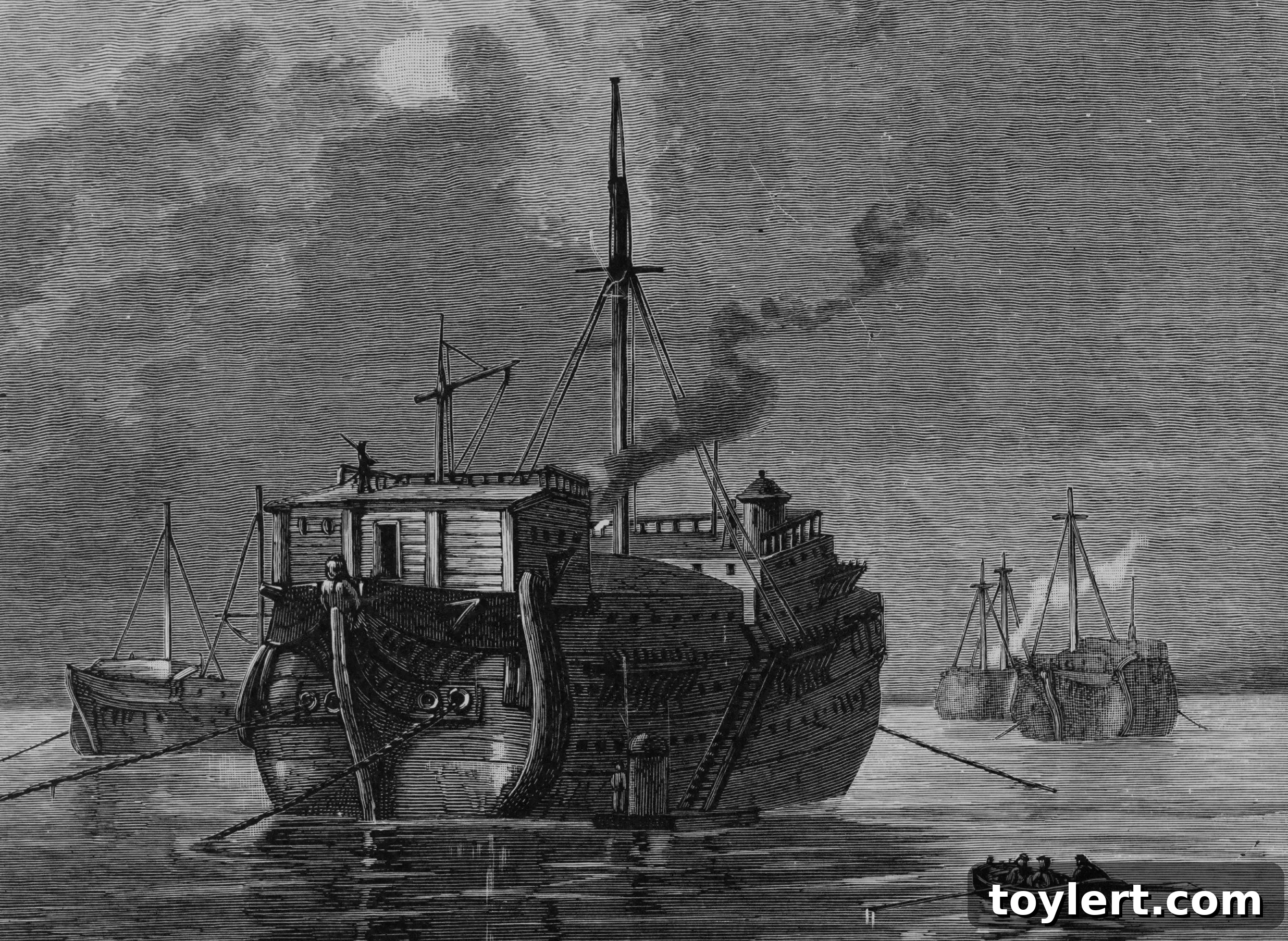
With land-based prisons quickly overflowing and inadequate for the sheer volume of captives, the British resorted to a grim solution: converting old, dilapidated naval vessels into floating prisons. These “prison ships” were anchored in the Wallabout Bay, off the present-day Brooklyn waterfront. Conditions aboard these ships were nothing short of horrific. Overcrowding was rampant, with hundreds of men crammed into confined spaces designed for far fewer. Sanitation was virtually non-existent, leading to widespread disease. Food and water were scarce and often contaminated, contributing to rampant malnutrition and dehydration.
Smallpox, dysentery, typhus, and yellow fever swept through the ships, claiming lives at an alarming rate. Without proper medical care, thousands succumbed to illness rather than battlefield wounds. The treatment of these prisoners was a dark stain on the conduct of the war, reflecting a brutal disregard for human life and international norms of warfare that were only just beginning to take shape. For many captured patriots, stepping onto a British prison ship meant a near-certain death sentence, a fate often more terrifying than facing the enemy in open combat.
The Silent Sufferers: Honoring the Prison Ship Martyrs
The numbers are staggering and speak to the immense human cost of the fight for independence: more than 11,500 Americans perished on these jail boats. These individuals are collectively remembered as the Prison Ship Martyrs. Their deaths represent a greater loss of American life than those who died in battle during the entire Revolutionary War. This chilling statistic underscores the profound, often unacknowledged, sacrifice made by ordinary men — farmers, merchants, laborers, and militiamen — who found themselves caught in the crucible of war, suffering slow, agonizing deaths far from home.
Their sacrifice was not in vain, however. The plight of the prison ship martyrs served as a potent symbol of British cruelty, fueling American resolve and hardening the determination of those still fighting for freedom. Their legacy stands as a solemn reminder of the true cost of liberty and the diverse forms of courage exhibited during the Revolution. For many years, their remains, hastily buried along the shore, were frequently exposed by tides and erosion, a stark visual testament to their forgotten tragedy.
Walking Through History: Brooklyn’s Revolutionary War Legacy Tour
To ensure that these sacrifices are never truly forgotten, and to bring this vital history to life, expert-led walking tours provide an invaluable educational experience. These tours are meticulously crafted to guide participants through the very landscapes that bore witness to these harrowing events, bridging the gap between past and present. The guides aim to show New Yorkers and visitors alike the city’s pivotal, and often tragic, role during the 18th-century rebellion for independence.
Dumbo, Vinegar Hill, and Fort Greene: A Journey Through Time
The tour specifically navigates through areas rich in Revolutionary War history:
- Dumbo: While now famed for its scenic views and trendy boutiques, Dumbo’s waterfront played a significant role. The area would have been close to where the British ships were anchored, and the geography itself allows for a contextual understanding of the strategic importance of New York Harbor during the conflict. Guides often point out how the very waterways that now host ferry traffic once harbored the instruments of despair for American prisoners.
- Vinegar Hill: Adjacent to Dumbo, Vinegar Hill also offers glimpses into the colonial past. Though much has changed, understanding its proximity to the bay helps tour-goers visualize the scale of the British occupation and the logistical challenges faced by both sides during the war. It’s a place where the echoes of history are felt more deeply when one understands its former context.
- Fort Greene: The culmination of many of these tours is Fort Greene Park, home to the magnificent Prison Ship Martyrs’ Monument. This towering Doric column, designed by Stanford White and completed in 1908, serves as the final resting place for the remains of some of these martyrs. The park itself was originally designed by Frederick Law Olmsted and Calvert Vaux, the creators of Central Park, and stands on the site of Fort Putnam, a vital defensive position during the Battle of Brooklyn. Visiting the monument is a profoundly moving experience, offering a tangible connection to the more than 11,500 lives lost. It serves as a powerful reminder of collective memory and national gratitude.
Led by Experts: Unearthing the Past with Alyssa Loorya
The success and impact of such tours often lie in the expertise and passion of the guides. Urban archaeologist Alyssa Loorya is one such historian who brings this complex narrative to life. Her deep knowledge of New York City’s historical layers, combined with a commitment to making history accessible and engaging, transforms a simple walk into an immersive journey. Loorya’s insights help participants not only understand the facts but also connect emotionally with the human stories behind the historical events. Her tours are more than just a recounting of dates and names; they are an exploration of resilience, sacrifice, and the enduring spirit of a nation forged in adversity.
Why This Story Matters Today
The story of the Prison Ship Martyrs is more than just a footnote in Revolutionary War history; it is a foundational narrative that speaks to the enduring values of American liberty and the profound sacrifices made to secure it. Remembering these individuals helps us to fully grasp the human cost of freedom and the importance of vigilance in safeguarding democratic principles. It reminds us that heroism often takes many forms, including enduring unimaginable suffering in the name of a cause greater than oneself.
Moreover, these tours serve a vital role in local historical preservation. By highlighting Brooklyn’s unique contributions, they encourage residents and visitors to see their surroundings with new eyes, recognizing the historical depth beneath the modern veneer. Understanding local history enriches our appreciation for the national narrative and fosters a deeper connection to the places we inhabit.
Experience Brooklyn’s Revolutionary Heart
For those seeking a profound historical experience that goes beyond conventional textbooks, exploring Brooklyn’s Revolutionary War sites offers an unparalleled opportunity. These tours provide not just facts, but a palpable sense of the past, allowing participants to walk in the footsteps of patriots and reflect on the immense price of independence. By joining such an expedition, you contribute to keeping the memory of the Prison Ship Martyrs alive, ensuring their sacrifices continue to resonate and inspire future generations.
Discover the untold stories, feel the weight of history, and witness firsthand how Brooklyn played a heroic, albeit heart-wrenching, role in the birth of the United States. It’s an essential journey for anyone passionate about American history and the untold chapters of its struggle for freedom.